
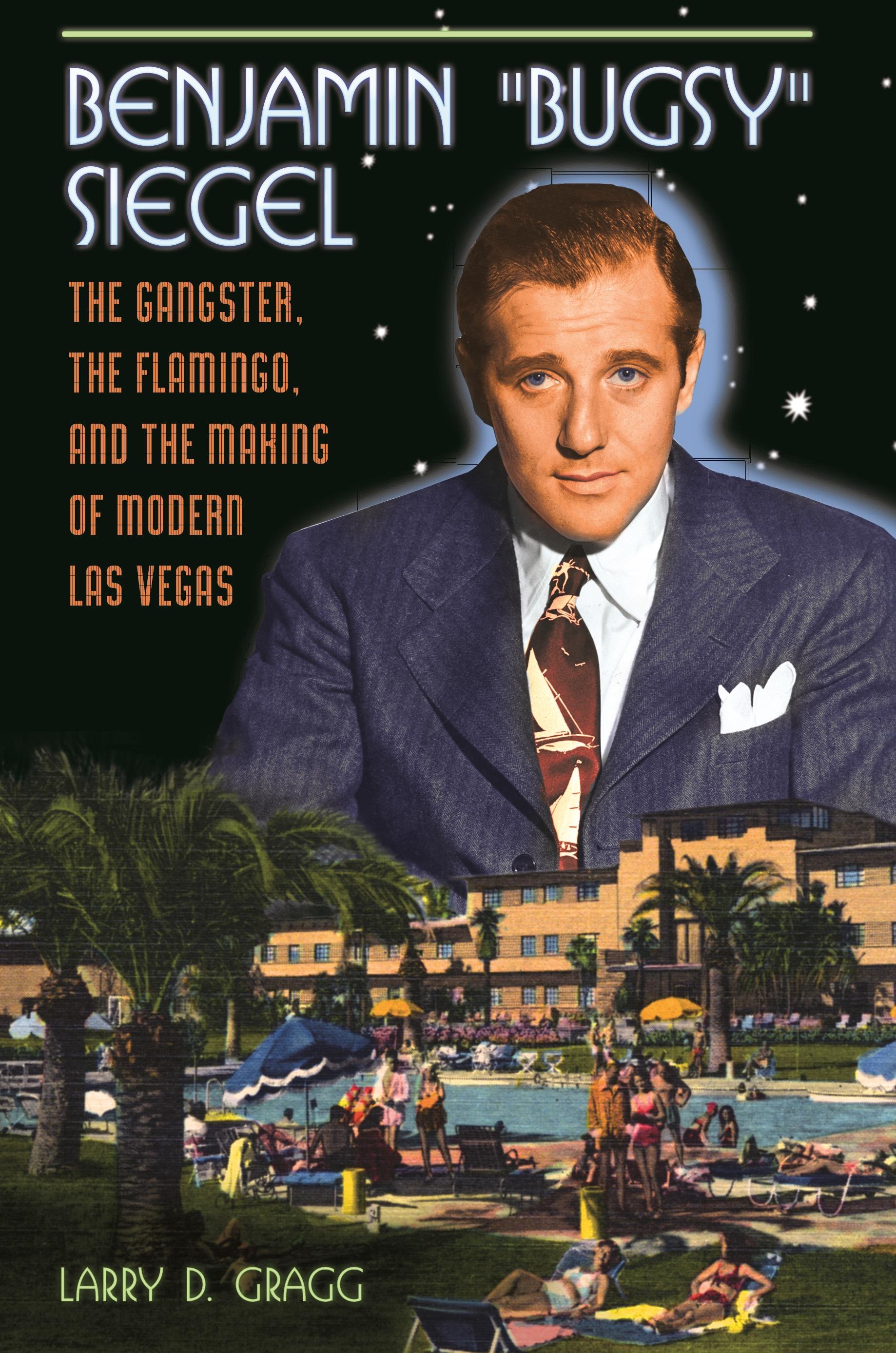
This intriguing biography recounts the life of the legendary Benjamin "Bugsy" Siegel, revealing his true role in the development of Las Vegas and debunking some of the common myths about his notoriety.
This account of the life of Benjamin "Bugsy" Siegel follows his beginnings in the Lower East Side of New York to his role in the development of the famous Flamingo Hotel and Casino. Larry D. Gragg examines Siegel's image as portrayed in popular culture, dispels the myths about Siegel's contribution to the founding of Las Vegas, and reveals some of the more lurid details about his life.
Unlike previous biographies, this book is the first to make use of more than 2,400 pages of FBI files on Siegel, referencing documents about the reputed gangster in the New York City Municipal Archives and reviewing the 1950–51 testimony before the Senate Committee on organized crime. Chapters cover his early involvement with gangs in New York, his emergence as a favorite among the Hollywood elite in the late 1930s, his lucrative exploits in illegal gambling and horse racing, and his opening of the "fabulous" Flamingo in 1946. The author also draws upon the recollections of Siegel's eldest daughter to reveal a side of the mobster never before studied—the nature of his family life.
This account of the life of Benjamin "Bugsy" Siegel follows his beginnings in the Lower East Side of New York to his role in the development of the famous Flamingo Hotel and Casino. Larry D. Gragg examines Siegel's image as portrayed in popular culture, dispels the myths about Siegel's contribution to the founding of Las Vegas, and reveals some of the more lurid details about his life.
Unlike previous biographies, this book is the first to make use of more than 2,400 pages of FBI files on Siegel, referencing documents about the reputed gangster in the New York City Municipal Archives and reviewing the 1950–51 testimony before the Senate Committee on organized crime. Chapters cover his early involvement with gangs in New York, his emergence as a favorite among the Hollywood elite in the late 1930s, his lucrative exploits in illegal gambling and horse racing, and his opening of the "fabulous" Flamingo in 1946. The author also draws upon the recollections of Siegel's eldest daughter to reveal a side of the mobster never before studied—the nature of his family life.
Płać wygodnie kartą, Klarną, Apple Pay lub Google Pay. Nie jesteś zadowolony? Zawsze masz 14-dniową gwarancję zwrotu pieniędzy. Więcej przeczytasz w naszych warunkach. Masz pytania? Napisz do nas na hello@memmo.org.
Memmo ułatwia naukę – gdziekolwiek jesteś na świecie. U nas znajdziesz podręczniki i sprytne narzędzia do nauki w jednym miejscu: streszczenia, quizy, podcasty i fiszki. A do tego Ted, Twój kumpel do nauki, który odpowie na wszystko, co Cię nurtuje. Ponad 50 000 studentów już tu się uczy – stworzone, byś uczył się szybciej i mniej stresował.