
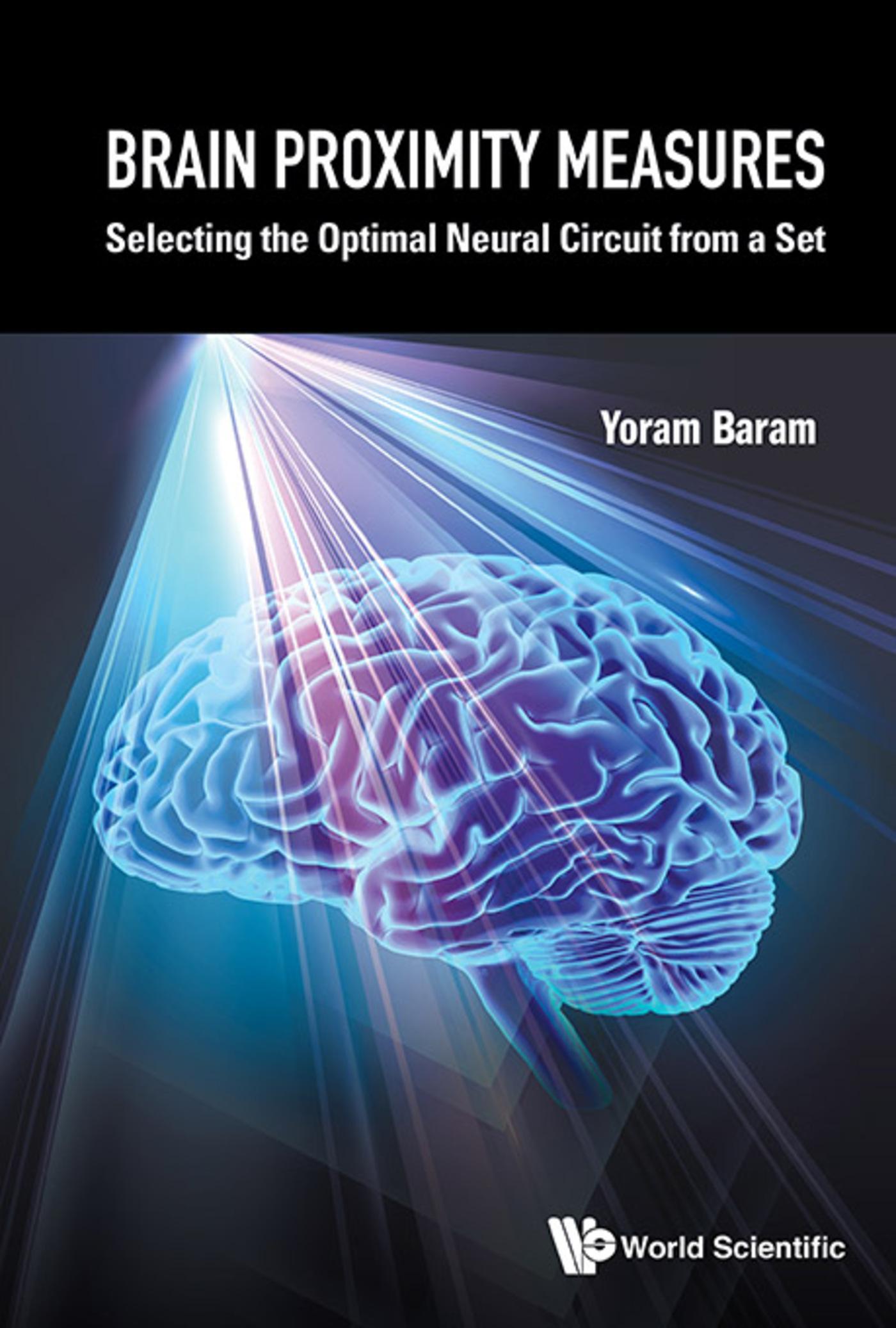
Brain Proximity Measures introduces a novel mathematical and computational framework for understanding how individuals with neurological impairments may still succeed in selecting functional neural circuits for movement. Challenging conventional approaches to motion control, this book explores how the brain evaluates the proximity of its current state to viable pathways, enabling movement without relying on traditional notions of motion planning or optimal control.
Drawing from chapters grounded in geometry, graph theory, and systems neuroscience, the author develops the concept of 'brain proximity' as a criterion for real-time circuit selection. This fresh perspective offers insights into how damaged or compromised neural systems may still adapt and function through structural strategies rather than predefined programming.
This book will appeal to neuroscientists, rehabilitation researchers, theoretical biologists, and computational modelers interested in brain function, adaptability, and mathematical modeling of neural processes.
Contents:
- Prologue
- Introduction
- Convergence on Multiple Parameter Sets:
- Probability Spaces and Parameter Estimates in Stochastic Convergence
- Information
- Convergence of Maximum Likelihood and Bayesian Estimates on Finite Sets of Parameters
- Stationary Neural Circuit Selection from a Finite Set
- Non-Stationary Linear Systems
- Firing-Rate Dynamic Irreversibility
- From Natural to Virtual Model Selection in Biological Motion Control:
- Practical Realization of Brain Proximity Measures Toward Medical Treatment
- Virtually Linear Biological Motion Control
- Gait Entrainment by Sensory Feedback in the Neurologically Impaired:
- Walking on Virtual Tiles with Parkinson's Disease
- Auditory Feedback for Gait Improvement in Parkinson's Disease
- At-Home Audio-Visual Training by Parkinson's Patients
- Gait Improvement in Patients with Cerebral Palsy by Visual and Auditory Feedback
- Virtual Reality Feedback for Gait Improvement in Patients with Idiopathic Senile Gait and Patients after Stroke
- Virtual Reality Cues for Improvement of Gait in Patients with Multiple Sclerosis
- Auditory Feedback Control for Improvement of Gait in Patients with Multiple Sclerosis
- The Gait-Entrainment Edge of Glide-Symmetric Visual Feedback in Multiple Sclerosis
- Epilogue
- References
- Index
- About the Author
Readership: Researchers, graduate students, postdoctoral researchers, engineers, neuroscientists and clinicians interested in mathematical modeling of neural processes, systems neuroscience and brain dynamics. Theoretical neurobiologists studying circuit-level brain function and impairment. Computational neuroscientists and modelers working on non-standard or mathematically driven models of brain function. Researchers in motion control and rehabilitation science with a conceptual or mathematical interest. Applied mathematicians focusing on neural computation, geometry, and graph theory in biological systems.
Płać wygodnie kartą, Klarną, Apple Pay lub Google Pay. Nie jesteś zadowolony? Zawsze masz 14-dniową gwarancję zwrotu pieniędzy. Więcej przeczytasz w naszych warunkach. Masz pytania? Napisz do nas na hello@memmo.org.
Memmo ułatwia naukę – gdziekolwiek jesteś na świecie. U nas znajdziesz podręczniki i sprytne narzędzia do nauki w jednym miejscu: streszczenia, quizy, podcasty i fiszki. A do tego Ted, Twój kumpel do nauki, który odpowie na wszystko, co Cię nurtuje. Ponad 50 000 studentów już tu się uczy – stworzone, byś uczył się szybciej i mniej stresował.