
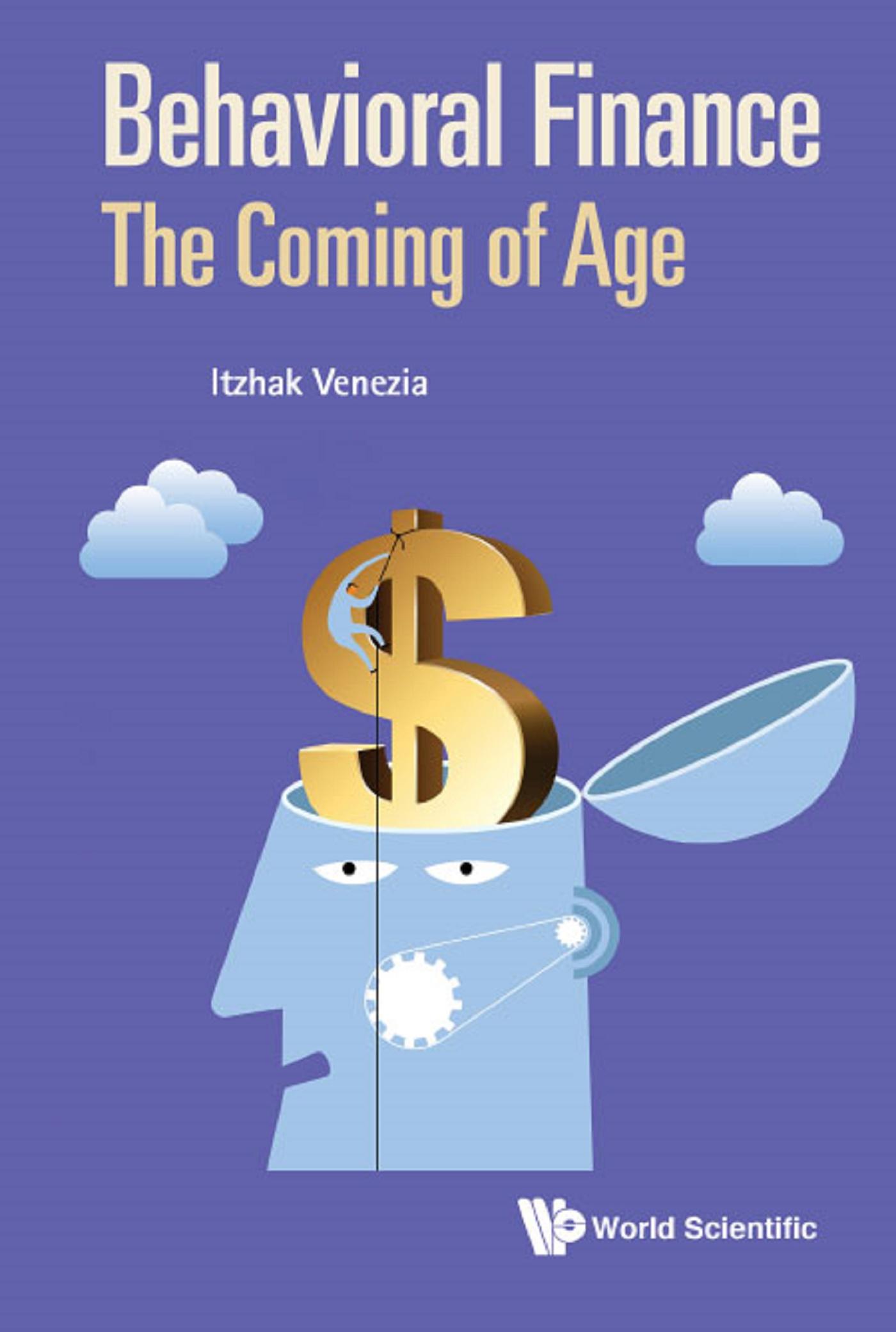
The area of behavioral finance, though relatively young, has matured and spread beyond its initial objectives: to demonstrate the fallibility of the efficient market hypothesis, to shake the belief in the ubiquity of rational decision making, and to convince the finance world of the importance of psychological biases in decision making. The success of the field in meeting its goals, however, has called into question its continued relevance. Behavioral finance is thus currently at a crossroads, and researchers need to decide which way they should turn for the area to continue to thrive and to meaningfully contribute to financial knowledge.This collection of papers deals with rarely-explored topics to point at new directions that behavioral finance should explore to maintain its viability, along with contributions to traditional topics. Some of these topics include innovations, the psychology of policy-makers, biases of peer-to-peer market participants, the behavior and motivation behind corporate social responsibility, and the design of exchanges. Additionally, well-known topics such as the disposition effect, slow and fast decisions and the availability heuristic are revisited, and surprising new findings are presented.By opening the field to novel avenues of discussion, this book addresses the future of behavioral finance and its transition into a new era.
Płać wygodnie kartą, Klarną, Apple Pay lub Google Pay. Nie jesteś zadowolony? Zawsze masz 14-dniową gwarancję zwrotu pieniędzy. Więcej przeczytasz w naszych warunkach. Masz pytania? Napisz do nas na hello@memmo.org.
Memmo ułatwia naukę – gdziekolwiek jesteś na świecie. U nas znajdziesz podręczniki i sprytne narzędzia do nauki w jednym miejscu: streszczenia, quizy, podcasty i fiszki. A do tego Ted, Twój kumpel do nauki, który odpowie na wszystko, co Cię nurtuje. Ponad 50 000 studentów już tu się uczy – stworzone, byś uczył się szybciej i mniej stresował.
Może Ci się spodobać
Kup książkę0