
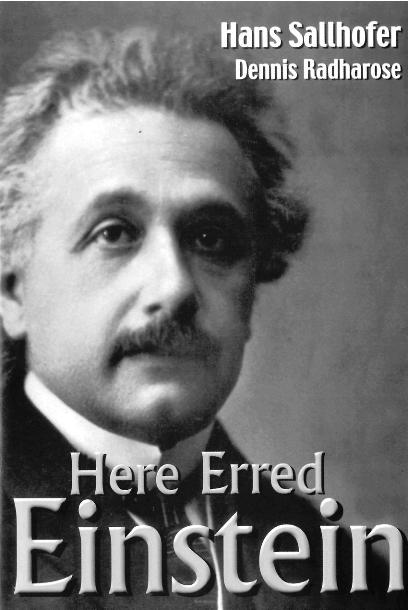
The emergence of modern physics in the first three decades of the 20th century was accompanied by a loss of determinism. That loss is embodied in the Copenhagen interpretation and the theory of relativity. The development of physics-based technologies, both constructive and destructive, occurred shortly thereafter at so dizzying a rate that scientists rarely took a critical look at the logical foundations of the Copenhagen interpretation and the theory of relativity, or at the consequences of the loss of determinism.This book contains a dialogue between a physicist and a philosopher on that issue. The dialogue is strongly contextualized with respect to the main players in physics during the first sixty years of the 20th century, and to the prevailing political conditions in Western Europe and the USA. It was galvanized by the debate and the subsequent abandonment of the Superconducting Super Collider, and also affords a lively understanding of Greek epistemology. Questioned by the philosopher, the physicist provides an account of the directions taken by physicists and the roads not traveled, as well as his own understanding of the nature of matter.
Płać wygodnie kartą, Klarną, Apple Pay lub Google Pay. Nie jesteś zadowolony? Zawsze masz 14-dniową gwarancję zwrotu pieniędzy. Więcej przeczytasz w naszych warunkach. Masz pytania? Napisz do nas na hello@memmo.org.
Memmo ułatwia naukę – gdziekolwiek jesteś na świecie. U nas znajdziesz podręczniki i sprytne narzędzia do nauki w jednym miejscu: streszczenia, quizy, podcasty i fiszki. A do tego Ted, Twój kumpel do nauki, który odpowie na wszystko, co Cię nurtuje. Ponad 50 000 studentów już tu się uczy – stworzone, byś uczył się szybciej i mniej stresował.
Może Ci się spodobać
Kup książkę0