
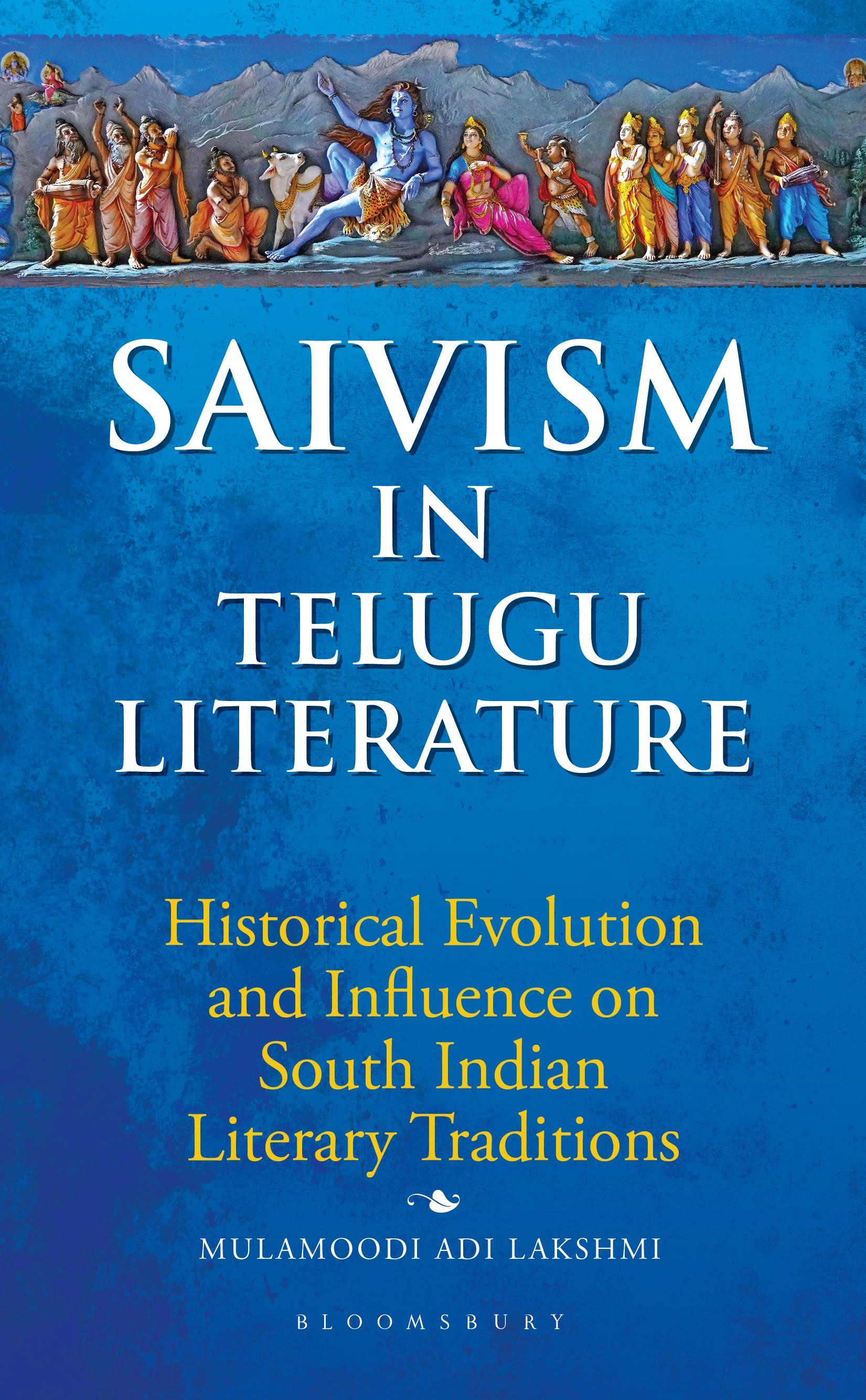
This book examines the evolution of Saivism among Telugu-speaking communities, with particular emphasis on its influence on women and marginalised social groups. It is organised around three key themes: Saivism prior to the emergence of Telugu literature; the understanding and transmission of Saivism through Telugu literary works; and the linguistic, literary, and cultural relationships articulated through Telugu Saiva literature.
Saivism in Telugu Literature analyses the close relationship between religion and literature and discusses the literary trends that shaped the early development of Telugu literature. It critically examines the contributions of Balkuri¯ Somanatha, Nannaya, Dikkana (Tikkana), and other scholars influenced by Saivism and Veerashaivism. Special attention is given to the portrayal of Shiva as a major deity alongside Brahma and Vishnu in the Telugu translations of the Mahabharata by Nannaya and Tikkana. Nannaya's translation is interpreted as an effort to make the Mahabharata, regarded as the fifth Veda, accessible to common people and women. The concluding section explores the influence of the Tamil Nayanmars and highlights the linguistic and cultural interactions among Telugu, Tamil, and Sanskrit, illustrating the spread of Saivism in South India.
Saivism in Telugu Literature analyses the close relationship between religion and literature and discusses the literary trends that shaped the early development of Telugu literature. It critically examines the contributions of Balkuri¯ Somanatha, Nannaya, Dikkana (Tikkana), and other scholars influenced by Saivism and Veerashaivism. Special attention is given to the portrayal of Shiva as a major deity alongside Brahma and Vishnu in the Telugu translations of the Mahabharata by Nannaya and Tikkana. Nannaya's translation is interpreted as an effort to make the Mahabharata, regarded as the fifth Veda, accessible to common people and women. The concluding section explores the influence of the Tamil Nayanmars and highlights the linguistic and cultural interactions among Telugu, Tamil, and Sanskrit, illustrating the spread of Saivism in South India.
Strony: 288
Kategoria: Religion & Teologi
e-ISBN: 9789369524914
Waga przesyłki: 1.2 kg
Wysyłka w ciągu: 1-2 dni
Płać wygodnie kartą, Klarną, Apple Pay lub Google Pay. Nie jesteś zadowolony? Zawsze masz 14-dniową gwarancję zwrotu pieniędzy. Więcej przeczytasz w naszych warunkach. Masz pytania? Napisz do nas na hello@memmo.org.
Memmo ułatwia naukę – gdziekolwiek jesteś na świecie. U nas znajdziesz podręczniki i sprytne narzędzia do nauki w jednym miejscu: streszczenia, quizy, podcasty i fiszki. A do tego Ted, Twój kumpel do nauki, który odpowie na wszystko, co Cię nurtuje. Ponad 50 000 studentów już tu się uczy – stworzone, byś uczył się szybciej i mniej stresował.