
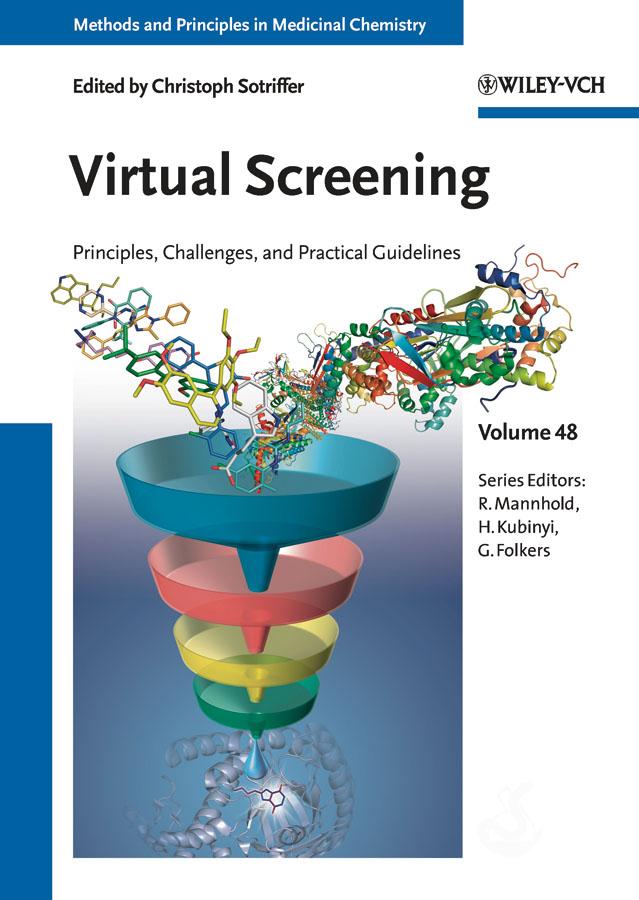
Drug discovery is all about finding small molecules that interact in a desired way with larger molecules, namely proteins and other macromolecules in the human body. If the three-dimensional structures of both the small and large molecule are known, their interaction can be tested by computer simulation with a reasonable degree of accuracy. Alternatively, if active ligands are already available, molecular similarity searches can be used to find new molecules. This virtual screening can even be applied to compounds that have yet to be synthesized, as opposed to "real" screening that requires cost- and labor-intensive laboratory testing with previously synthesized drug compounds.
Unique in its focus on the end user, this is a real "how to" book that does not presuppose prior experience in virtual screening or a background
in computational chemistry. It is both a desktop reference and practical guide to virtual screening applications in drug discovery, offering a comprehensive and up-to-date overview. Clearly divided into four major sections, the first provides a detailed description of the methods required for and applied in virtual screening, while the second discusses the most important challenges in order to improve the impact and success of this technique. The third and fourth, practical parts contain practical guidelines and several case studies covering the most
important scenarios for new drug discovery, accompanied by general guidelines for the entire workflow of virtual screening studies.
Throughout the text, medicinal chemists from academia, as well as from large and small pharmaceutical companies report on their experience and pass on priceless practical advice on how to make best use of these powerful methods.
Unique in its focus on the end user, this is a real "how to" book that does not presuppose prior experience in virtual screening or a background
in computational chemistry. It is both a desktop reference and practical guide to virtual screening applications in drug discovery, offering a comprehensive and up-to-date overview. Clearly divided into four major sections, the first provides a detailed description of the methods required for and applied in virtual screening, while the second discusses the most important challenges in order to improve the impact and success of this technique. The third and fourth, practical parts contain practical guidelines and several case studies covering the most
important scenarios for new drug discovery, accompanied by general guidelines for the entire workflow of virtual screening studies.
Throughout the text, medicinal chemists from academia, as well as from large and small pharmaceutical companies report on their experience and pass on priceless practical advice on how to make best use of these powerful methods.
Płać wygodnie kartą, Klarną, Apple Pay lub Google Pay. Nie jesteś zadowolony? Zawsze masz 14-dniową gwarancję zwrotu pieniędzy. Więcej przeczytasz w naszych warunkach. Masz pytania? Napisz do nas na hello@memmo.org.
Memmo ułatwia naukę – gdziekolwiek jesteś na świecie. U nas znajdziesz podręczniki i sprytne narzędzia do nauki w jednym miejscu: streszczenia, quizy, podcasty i fiszki. A do tego Ted, Twój kumpel do nauki, który odpowie na wszystko, co Cię nurtuje. Ponad 50 000 studentów już tu się uczy – stworzone, byś uczył się szybciej i mniej stresował.