
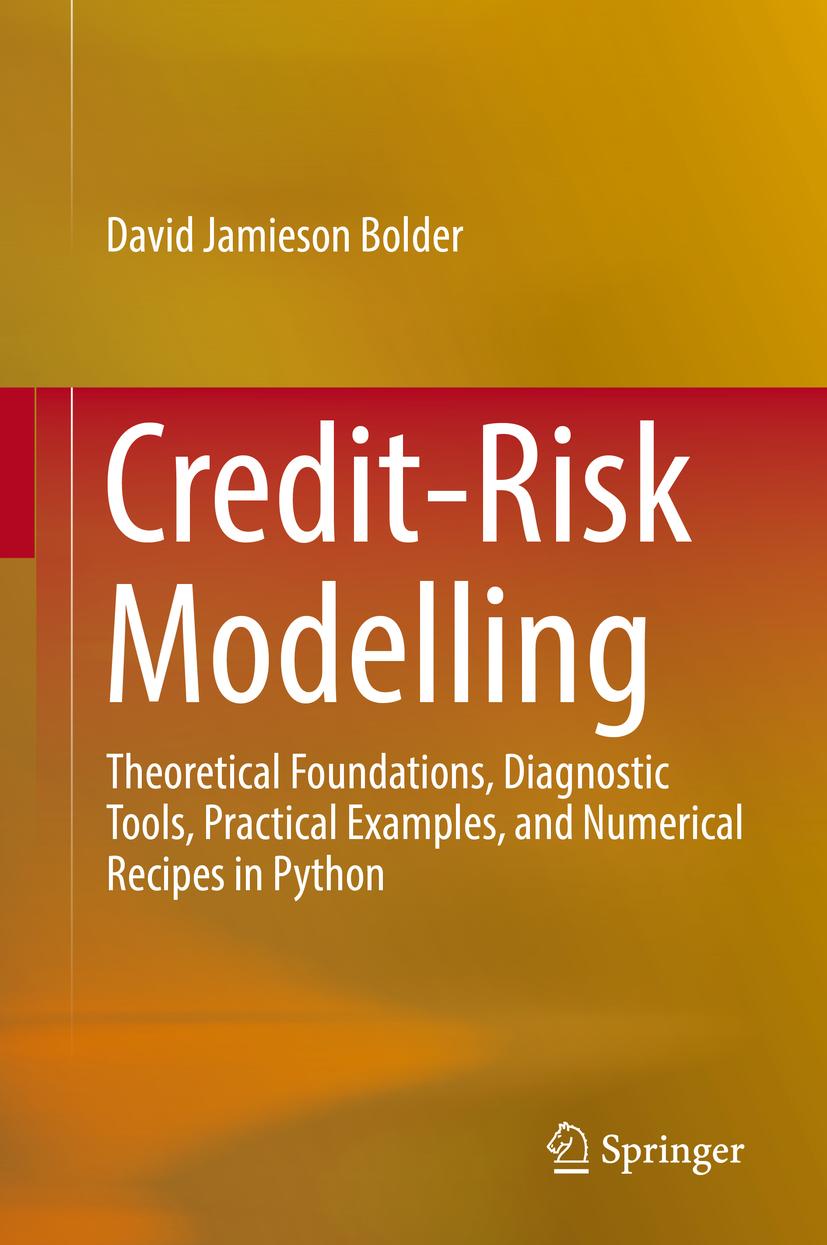
The risk of counterparty default in banking, insurance, institutional, and pension-fund portfolios is an area of ongoing and increasing importance for finance practitioners. It is, unfortunately, a topic with a high degree of technical complexity. Addressing this challenge, this book provides a comprehensive and attainable mathematical and statistical discussion of a broad range of existing default-risk models. Model description and derivation, however, is only part of the story. Through use of exhaustive practical examples and extensive code illustrations in the Python programming language, this work also explicitly shows the reader how these models are implemented. Bringing these complex approaches to life by combining the technical details with actual real-life Python code reduces the burden of model complexity and enhances accessibility to this decidedly specialized field of study. The entire work is also liberally supplemented with model-diagnostic, calibration, and parameter-estimation techniques to assist the quantitative analyst in day-to-day implementation as well as in mitigating model risk. Written by an active and experienced practitioner, it is an invaluable learning resource and reference text for financial-risk practitioners and an excellent source for advanced undergraduate and graduate students seeking to acquire knowledge of the key elements of this discipline.
Strony: 684
Kategoria: Redovisning, Finans & Investering
e-ISBN: 9783319946887
Waga przesyłki: 1.2 kg
Wysyłka w ciągu: 1-2 dni
Płać wygodnie kartą, Klarną, Apple Pay lub Google Pay. Nie jesteś zadowolony? Zawsze masz 14-dniową gwarancję zwrotu pieniędzy. Więcej przeczytasz w naszych warunkach. Masz pytania? Napisz do nas na hello@memmo.org.
Memmo ułatwia naukę – gdziekolwiek jesteś na świecie. U nas znajdziesz podręczniki i sprytne narzędzia do nauki w jednym miejscu: streszczenia, quizy, podcasty i fiszki. A do tego Ted, Twój kumpel do nauki, który odpowie na wszystko, co Cię nurtuje. Ponad 50 000 studentów już tu się uczy – stworzone, byś uczył się szybciej i mniej stresował.