
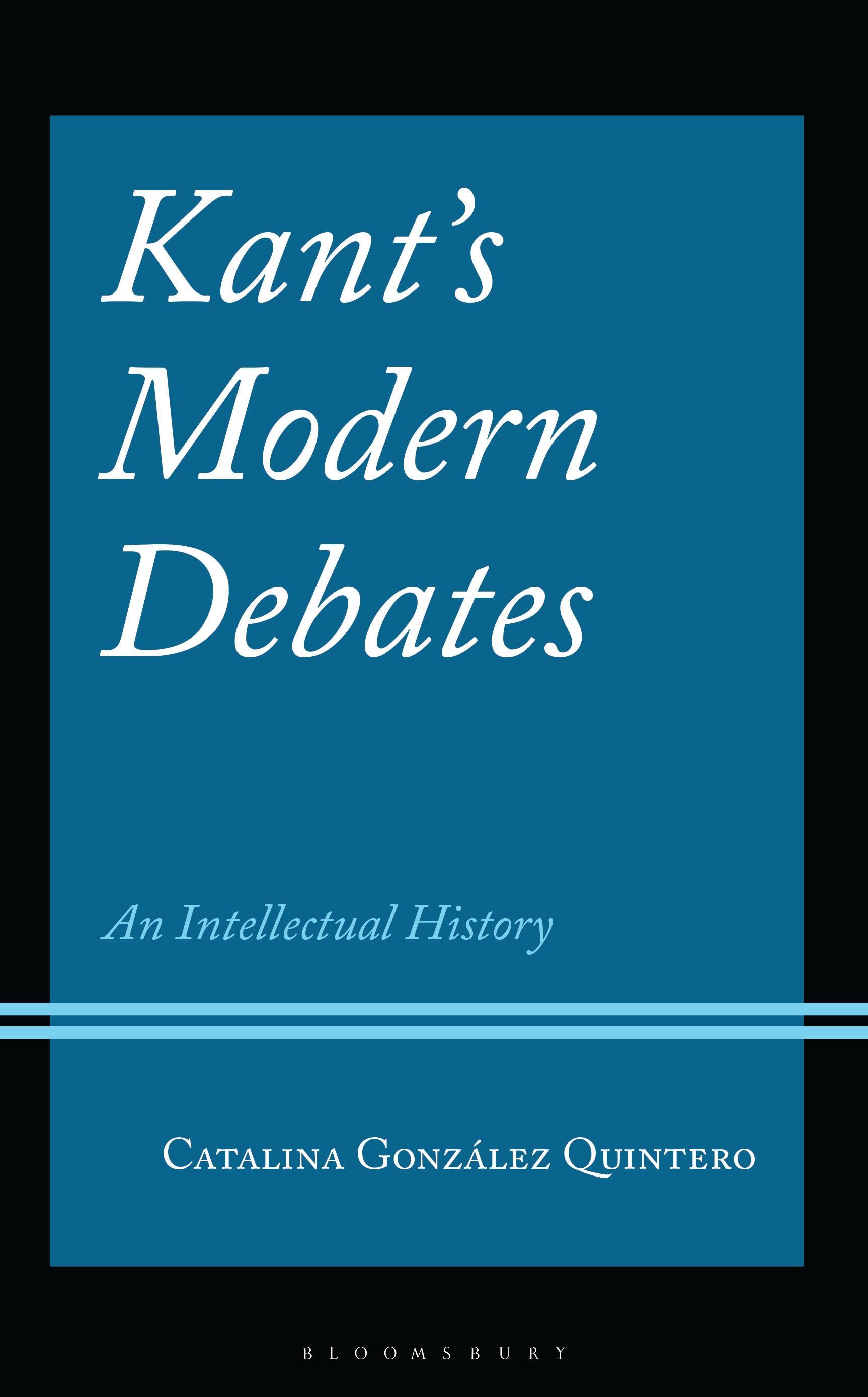
Resituating Kant's work within the Western modern historical tradition provides insight into the originality of his views against the background of pervasive intellectual discussions in the 18th century.
Catalina González embeds essential aspects of Kant's epistemology, metaphysics, morals, and aesthetics into philosophical debates and discussions that, although central to modernity, have not been sufficiently explored by Kantian scholarship. These contexts include disputes between skeptics and anti-skeptics, debates over deism and natural theology, controversies about animal minds, discussions on the foundations of morality, and aesthetic conversations regarding the sublime.
The book's historical perspective is further supplied by a set of methodological reflections drawn from the heterogeneous field of studies of “intellectual history.” It intertwines insights from the Cambridge School of Political Thought or the German Begriffsfgeschichte, and from a wide variety of historians of philosophy, with the analysis of Kant's texts and Kantian scholarship to provide a novel and rigorous account of the historical formation of specific aspects of Kant's thought.
Catalina González embeds essential aspects of Kant's epistemology, metaphysics, morals, and aesthetics into philosophical debates and discussions that, although central to modernity, have not been sufficiently explored by Kantian scholarship. These contexts include disputes between skeptics and anti-skeptics, debates over deism and natural theology, controversies about animal minds, discussions on the foundations of morality, and aesthetic conversations regarding the sublime.
The book's historical perspective is further supplied by a set of methodological reflections drawn from the heterogeneous field of studies of “intellectual history.” It intertwines insights from the Cambridge School of Political Thought or the German Begriffsfgeschichte, and from a wide variety of historians of philosophy, with the analysis of Kant's texts and Kantian scholarship to provide a novel and rigorous account of the historical formation of specific aspects of Kant's thought.
Płać wygodnie kartą, Klarną, Apple Pay lub Google Pay. Nie jesteś zadowolony? Zawsze masz 14-dniową gwarancję zwrotu pieniędzy. Więcej przeczytasz w naszych warunkach. Masz pytania? Napisz do nas na hello@memmo.org.
Memmo ułatwia naukę – gdziekolwiek jesteś na świecie. U nas znajdziesz podręczniki i sprytne narzędzia do nauki w jednym miejscu: streszczenia, quizy, podcasty i fiszki. A do tego Ted, Twój kumpel do nauki, który odpowie na wszystko, co Cię nurtuje. Ponad 50 000 studentów już tu się uczy – stworzone, byś uczył się szybciej i mniej stresował.