
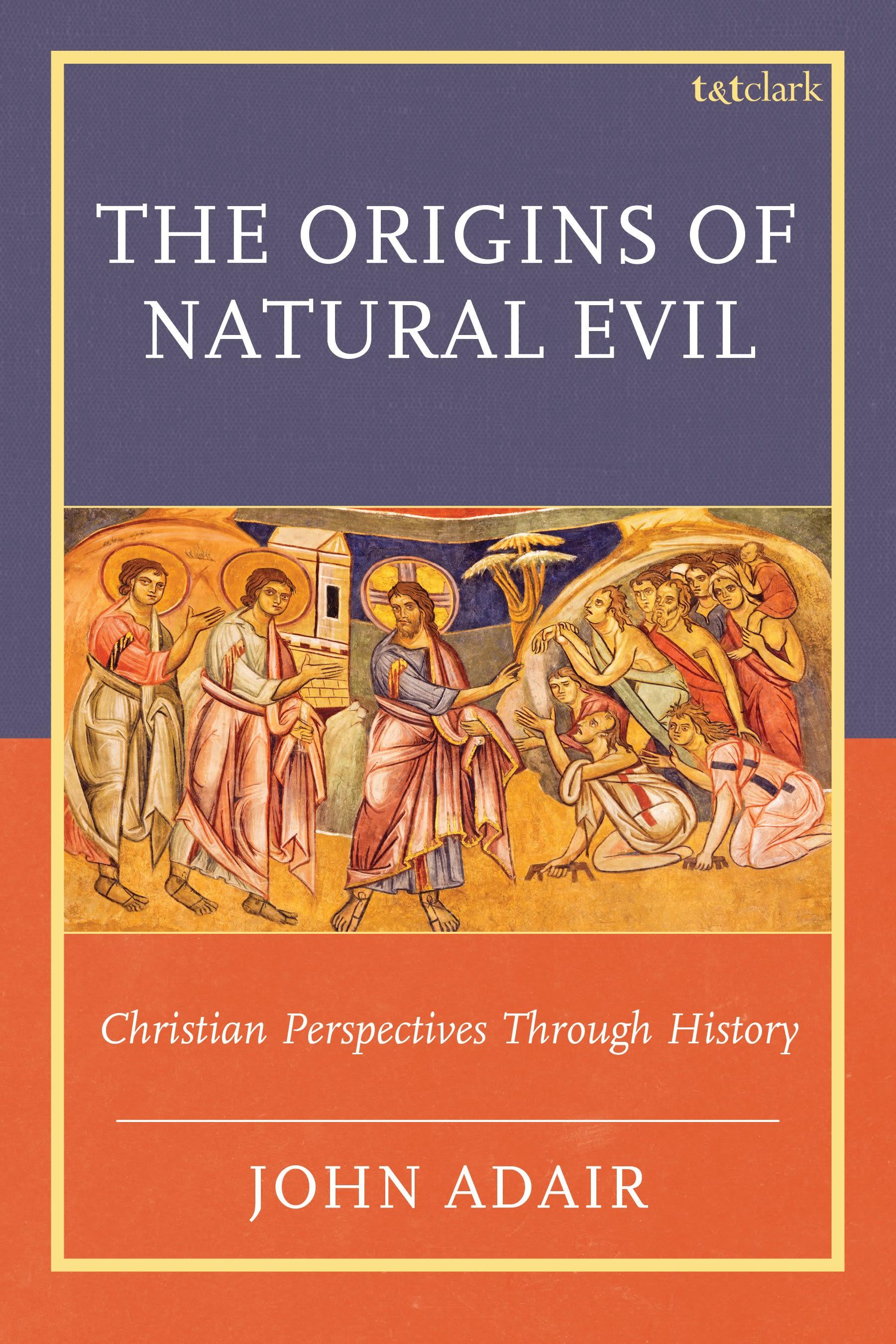
This book presents a historical overview of how Christians have described and negotiated the causes of natural evil.
Within the context of his study, John Adair defines natural evil as evils that are not an obvious, direct result of moral compromise initiated by the free choice of a moral agent, but rather stem from nature itself-e.g., natural disasters, illness, or loss of life. While historical Christian communities' justifications for and responses to natural evil has evolved over time, Adair traces how Christian theodicy rests on a firm commitment to God's goodness. Across seven chapters, this book narrates this evolution of thought, focusing on key figures in history who illustrate the theological continuity around God's goodness. In doing so, Adair builds a theological conversation, prompting readers to consider the collective weight of this historic response to questions of natural evil and query how a response which affirms God's goodness might impact our own reactions to questions of God's relation to the horrors of our daily lives.
Within the context of his study, John Adair defines natural evil as evils that are not an obvious, direct result of moral compromise initiated by the free choice of a moral agent, but rather stem from nature itself-e.g., natural disasters, illness, or loss of life. While historical Christian communities' justifications for and responses to natural evil has evolved over time, Adair traces how Christian theodicy rests on a firm commitment to God's goodness. Across seven chapters, this book narrates this evolution of thought, focusing on key figures in history who illustrate the theological continuity around God's goodness. In doing so, Adair builds a theological conversation, prompting readers to consider the collective weight of this historic response to questions of natural evil and query how a response which affirms God's goodness might impact our own reactions to questions of God's relation to the horrors of our daily lives.
Płać wygodnie kartą, Klarną, Apple Pay lub Google Pay. Nie jesteś zadowolony? Zawsze masz 14-dniową gwarancję zwrotu pieniędzy. Więcej przeczytasz w naszych warunkach. Masz pytania? Napisz do nas na hello@memmo.org.
Memmo ułatwia naukę – gdziekolwiek jesteś na świecie. U nas znajdziesz podręczniki i sprytne narzędzia do nauki w jednym miejscu: streszczenia, quizy, podcasty i fiszki. A do tego Ted, Twój kumpel do nauki, który odpowie na wszystko, co Cię nurtuje. Ponad 50 000 studentów już tu się uczy – stworzone, byś uczył się szybciej i mniej stresował.