
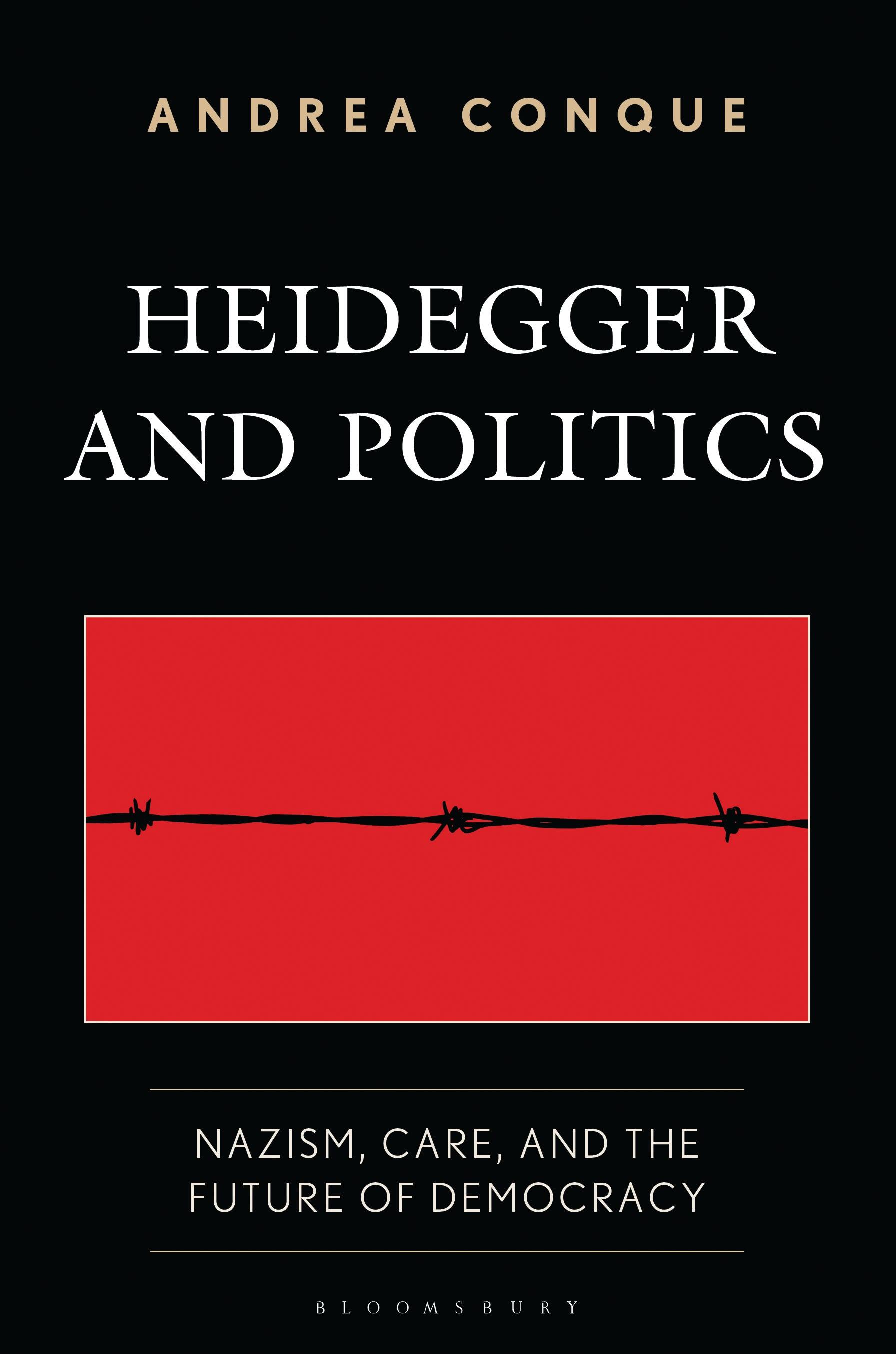
One of the most influential philosophers of the twentieth century, Martin Heidegger is also notorious for having taken a political and philosophical path that led to Nazism, support for a Führer state, and an agonal attitude toward space and place in politics. Yet, there was another path open to him – one found in the pages of Heidegger's master work, Being and Time (1927). This alternate path is based on the structures of care that are not only readily apparent in Being and Time, but prove essential to forging a better understanding of democracy and of political community. Heidegger and Politics: Nazism, Care, and the Future of Democracy begins by tracing the politico-philosophical path Heidegger actually took, then turns to shaping a robust vision of a 'politics of care' from key elements in Being and Time presenting it as a way to resist the 'politics of contempt.'
Płać wygodnie kartą, Klarną, Apple Pay lub Google Pay. Nie jesteś zadowolony? Zawsze masz 14-dniową gwarancję zwrotu pieniędzy. Więcej przeczytasz w naszych warunkach. Masz pytania? Napisz do nas na hello@memmo.org.
Memmo ułatwia naukę – gdziekolwiek jesteś na świecie. U nas znajdziesz podręczniki i sprytne narzędzia do nauki w jednym miejscu: streszczenia, quizy, podcasty i fiszki. A do tego Ted, Twój kumpel do nauki, który odpowie na wszystko, co Cię nurtuje. Ponad 50 000 studentów już tu się uczy – stworzone, byś uczył się szybciej i mniej stresował.