
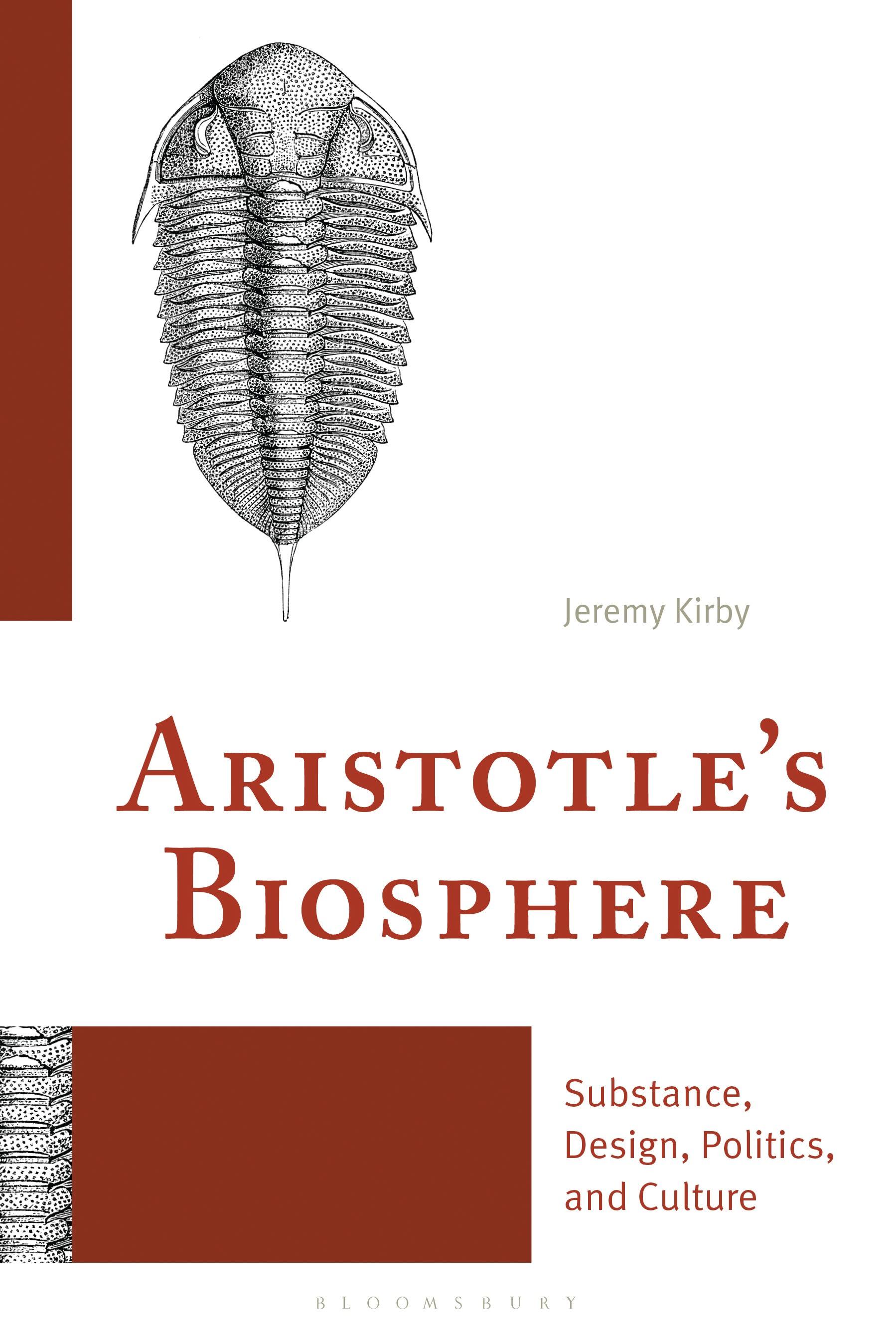
Aristotle displays a keen interest in life and living beings, but he doesn't separate the biological from the artificial, and he describes organisms as skillfully constructed phenomena that extend beyond their individual bodies.
The questions that proliferate around our ideas of the living and the artificial are perennial, and this book explores how Aristotle's framing of matters can shed light on them. Textual evidence does not require a reading of living and nonliving-or substance and artifact-as procrustean discrete classes, but as contraries that admit of intermediaries, and the artifact can provide some analogical explanation of the natural substance. If a beaver dam, for instance, occupies an intersection between the two, then Aristotle may countenance a similar phenomenon in the realms of politics, art, and ethics.
Jeremy Kirby argues that the state would satisfy Aristotle's criteria associated with both the artificial and the natural. The book also draws connections between what Aristotle calls natural virtue to virtue obtained via habituation and training.
The questions that proliferate around our ideas of the living and the artificial are perennial, and this book explores how Aristotle's framing of matters can shed light on them. Textual evidence does not require a reading of living and nonliving-or substance and artifact-as procrustean discrete classes, but as contraries that admit of intermediaries, and the artifact can provide some analogical explanation of the natural substance. If a beaver dam, for instance, occupies an intersection between the two, then Aristotle may countenance a similar phenomenon in the realms of politics, art, and ethics.
Jeremy Kirby argues that the state would satisfy Aristotle's criteria associated with both the artificial and the natural. The book also draws connections between what Aristotle calls natural virtue to virtue obtained via habituation and training.
Płać wygodnie kartą, Klarną, Apple Pay lub Google Pay. Nie jesteś zadowolony? Zawsze masz 14-dniową gwarancję zwrotu pieniędzy. Więcej przeczytasz w naszych warunkach. Masz pytania? Napisz do nas na hello@memmo.org.
Memmo ułatwia naukę – gdziekolwiek jesteś na świecie. U nas znajdziesz podręczniki i sprytne narzędzia do nauki w jednym miejscu: streszczenia, quizy, podcasty i fiszki. A do tego Ted, Twój kumpel do nauki, który odpowie na wszystko, co Cię nurtuje. Ponad 50 000 studentów już tu się uczy – stworzone, byś uczył się szybciej i mniej stresował.