
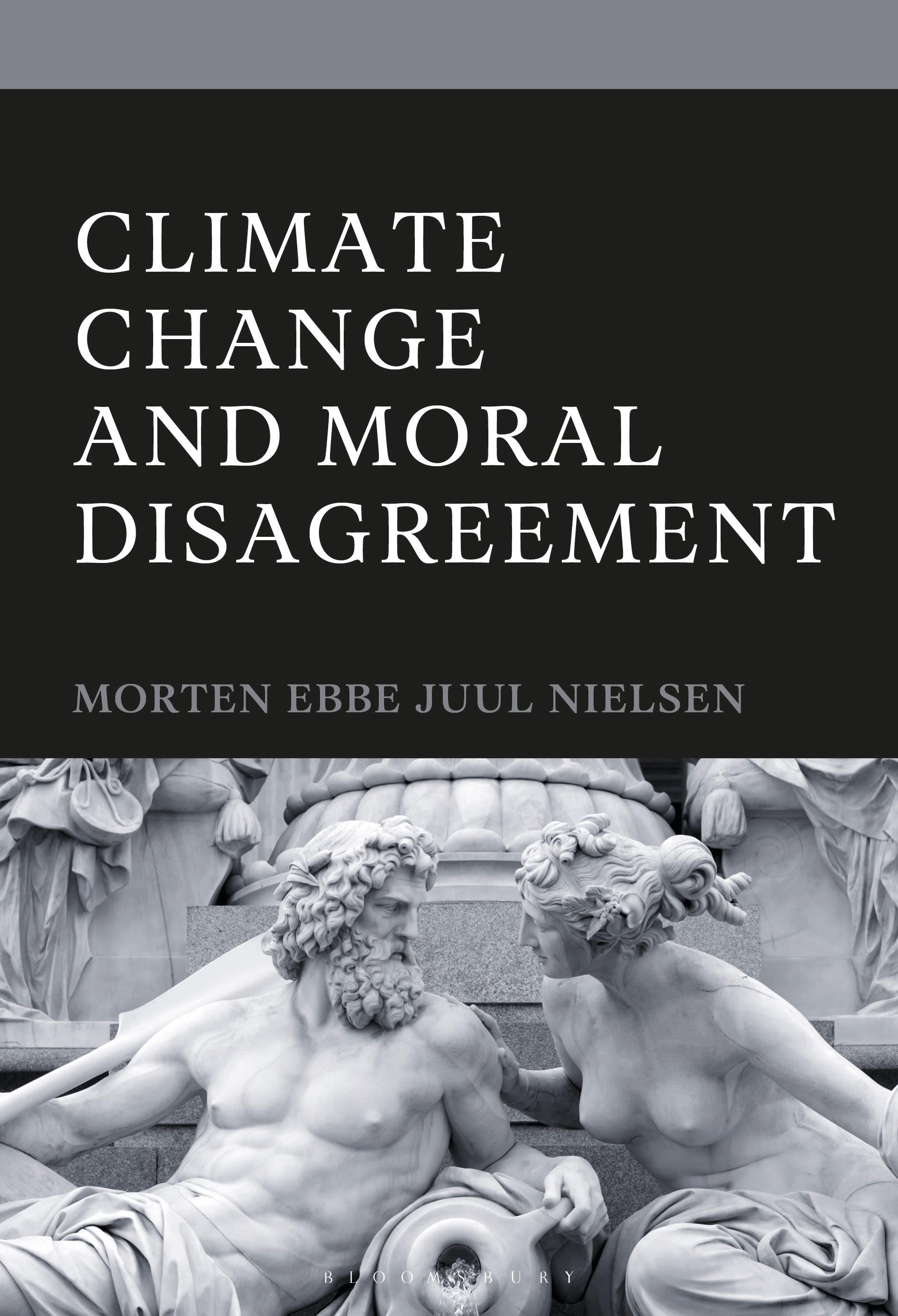
Moral Disagreement and Climate Change addresses the following problem: Assume, first, that our excessive production of Greenhouse Gases contributes significantly to what may be very serious detrimental effects on our climate and hence our welfare. Solving this issue will inevitably be costly. Assume, furthermore, that we disagree reasonably about how to distribute costs, and how to conceive of the moral problem of climate change to begin with. How can we make progress in the light of this reasonable disagreement? The author argues that we can learn from two related but distinct schools of thought in contemporary philosophy: the idea of conciliationism (when a peer that is equal to you in terms of knowledge about some domain disagrees, you have reason to find compromises) and the idea of public reason (only policies or rules that are, at some level of idealization, acceptable to all can be justified.) Via these two ideas, the author analyzes various important aspects of climate change and suggests that we can find ways to address the issue that are indeed justifiable to all. Disagreement does not mean paralysis.
Płać wygodnie kartą, Klarną, Apple Pay lub Google Pay. Nie jesteś zadowolony? Zawsze masz 14-dniową gwarancję zwrotu pieniędzy. Więcej przeczytasz w naszych warunkach. Masz pytania? Napisz do nas na hello@memmo.org.
Memmo ułatwia naukę – gdziekolwiek jesteś na świecie. U nas znajdziesz podręczniki i sprytne narzędzia do nauki w jednym miejscu: streszczenia, quizy, podcasty i fiszki. A do tego Ted, Twój kumpel do nauki, który odpowie na wszystko, co Cię nurtuje. Ponad 50 000 studentów już tu się uczy – stworzone, byś uczył się szybciej i mniej stresował.