
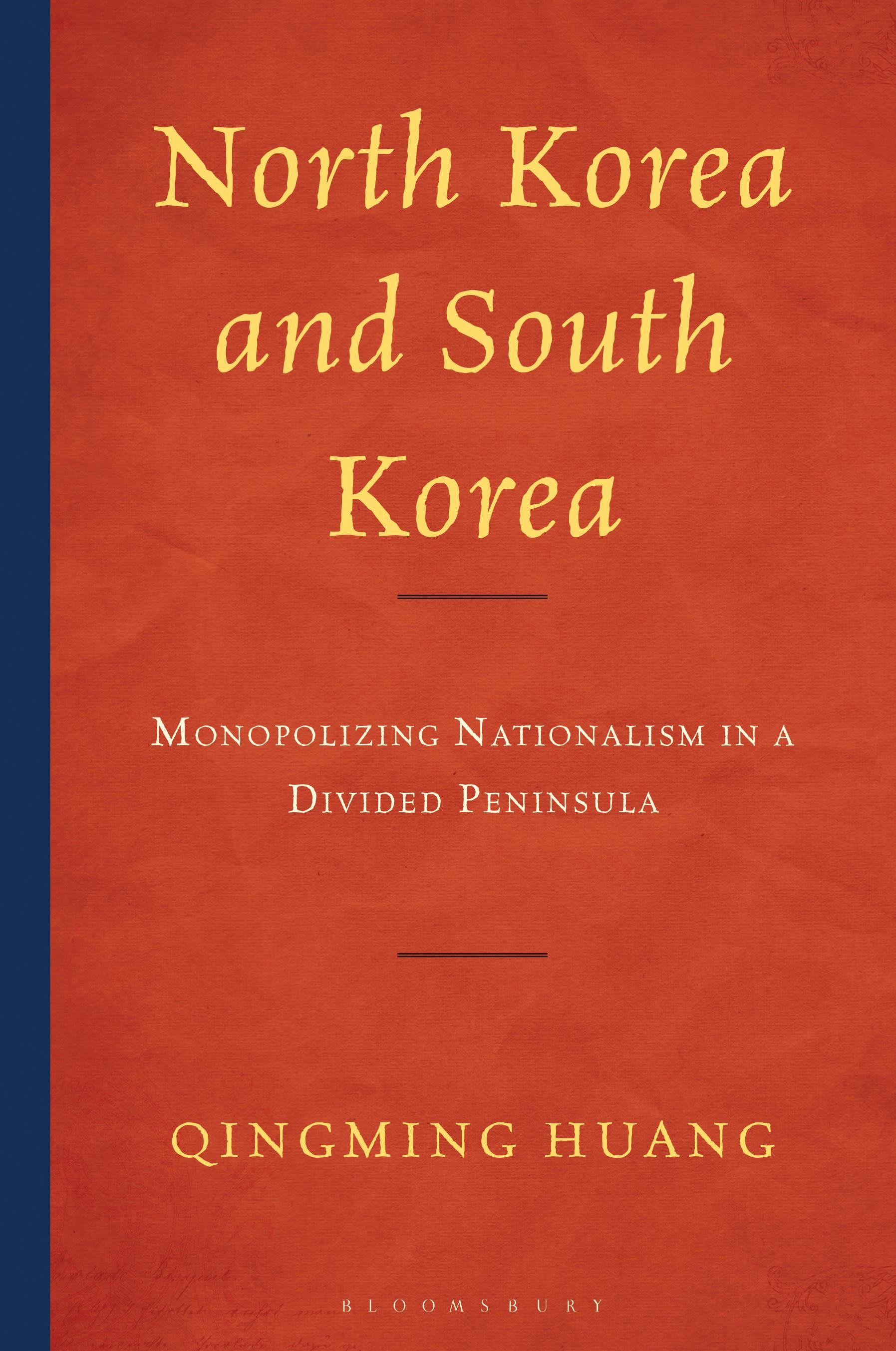
The autocratic regimes in both North Korea and South Korea attempted to legitimize their rule through efforts in nation-building but achieved different results. North Korea and South Korea: Monopolizing Nationalism in a Divided Peninsula seeks to answer: How did these regimes' nation-building strategies through a variety of tools and venues differ in the process of regime development? How was nationalism utilized to construct a regime-legitimizing founding myth? What implications did these varied efforts have on authoritarian legitimacy and state-society relations under authoritarian rule?
Focusing on the period from the end of the Second World War and the start of the Korean War to South Korea's democratic transitions in the 1980s and North Korea's crises in the 1990s, Qingming Huang examines the authoritarian regimes' efforts in monopolizing the narratives of nationalism and constructing the founding myths of the regimes through textbooks and other myth-making venues. Huang argues that the North Korean regime's monopoly of nationalism helped it construct the founding myth of the party-state as an essential source of regime legitimacy. In contrast, the autocratic regimes in South Korea failed to eliminate the competing narratives about the nation and were unable to monopolize nationalism. As a result, South Korea struggled to construct a founding myth to buttress the regimes and became more vulnerable to domestic challenges.
Focusing on the period from the end of the Second World War and the start of the Korean War to South Korea's democratic transitions in the 1980s and North Korea's crises in the 1990s, Qingming Huang examines the authoritarian regimes' efforts in monopolizing the narratives of nationalism and constructing the founding myths of the regimes through textbooks and other myth-making venues. Huang argues that the North Korean regime's monopoly of nationalism helped it construct the founding myth of the party-state as an essential source of regime legitimacy. In contrast, the autocratic regimes in South Korea failed to eliminate the competing narratives about the nation and were unable to monopolize nationalism. As a result, South Korea struggled to construct a founding myth to buttress the regimes and became more vulnerable to domestic challenges.
Strony: 184
Kategoria: Statsvetenskap & Politik
e-ISBN: 9781978765177
Waga przesyłki: 1.2 kg
Wysyłka w ciągu: 1-2 dni
Płać wygodnie kartą, Klarną, Apple Pay lub Google Pay. Nie jesteś zadowolony? Zawsze masz 14-dniową gwarancję zwrotu pieniędzy. Więcej przeczytasz w naszych warunkach. Masz pytania? Napisz do nas na hello@memmo.org.
Memmo ułatwia naukę – gdziekolwiek jesteś na świecie. U nas znajdziesz podręczniki i sprytne narzędzia do nauki w jednym miejscu: streszczenia, quizy, podcasty i fiszki. A do tego Ted, Twój kumpel do nauki, który odpowie na wszystko, co Cię nurtuje. Ponad 50 000 studentów już tu się uczy – stworzone, byś uczył się szybciej i mniej stresował.