
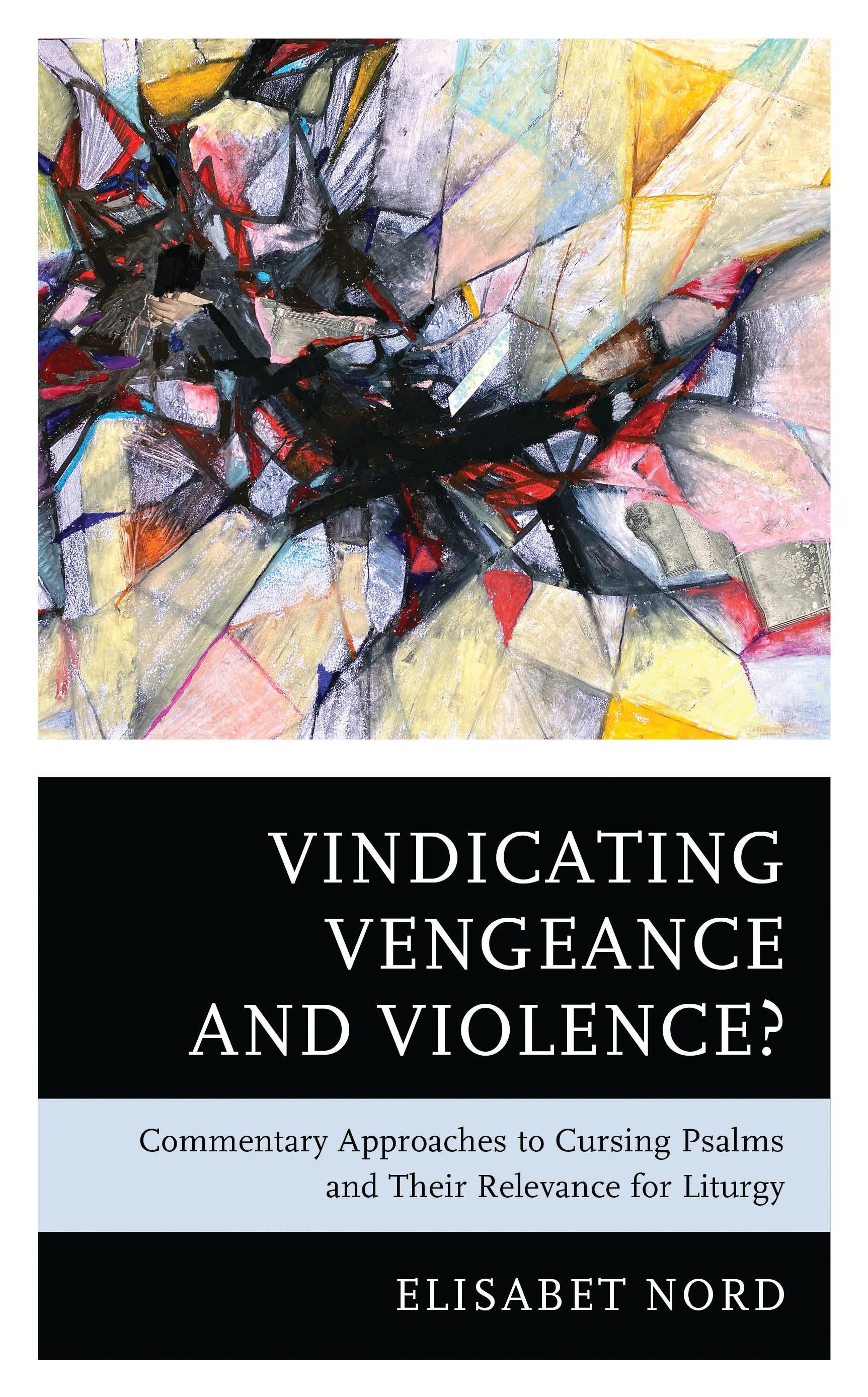
Psalms that seem to vindicate vengeance and violence are generally omitted from liturgy, as exemplified in most breviaries used by worshipping communities around the world. Although seldom read, the so-called cursing psalms are known to many as their imprecatory passages pose challenges for readers who wish to use the entire Book of Psalms as their book of prayer. Because passages that call for vengeance and violence are present throughout the psalm collection and often “intertwined with the most exquisite things,” as noted by C. S. Lewis, both liturgists and laypeople need to find substantial hermeneutical strategies that can help answer what to make of imprecatory passages. But despite the ample exegetical advice made available through commentary literature, past and present, worshippers are stuck at a point of convergence between exegetical support and liturgical rejection. Through the process of metacommentary on Psalms 58, 109, 137, and 139, Elisabet Nord identifies three popular and generic hermeneutical approaches often applied to cursing psalms, including the tacit preconceived notions of these prominent approaches. The latter helps to uncover the liturgical relevance—and sometimes lack thereof—of scholarly advice on how to interpret and navigate psalms calling for vengeance and violence as prayers.
Strony: 320
Kategoria: Religion & Teologi
e-ISBN: 9781978715769
Waga przesyłki: 1.2 kg
Wysyłka w ciągu: 1-2 dni
Płać wygodnie kartą, Klarną, Apple Pay lub Google Pay. Nie jesteś zadowolony? Zawsze masz 14-dniową gwarancję zwrotu pieniędzy. Więcej przeczytasz w naszych warunkach. Masz pytania? Napisz do nas na hello@memmo.org.
Memmo ułatwia naukę – gdziekolwiek jesteś na świecie. U nas znajdziesz podręczniki i sprytne narzędzia do nauki w jednym miejscu: streszczenia, quizy, podcasty i fiszki. A do tego Ted, Twój kumpel do nauki, który odpowie na wszystko, co Cię nurtuje. Ponad 50 000 studentów już tu się uczy – stworzone, byś uczył się szybciej i mniej stresował.