
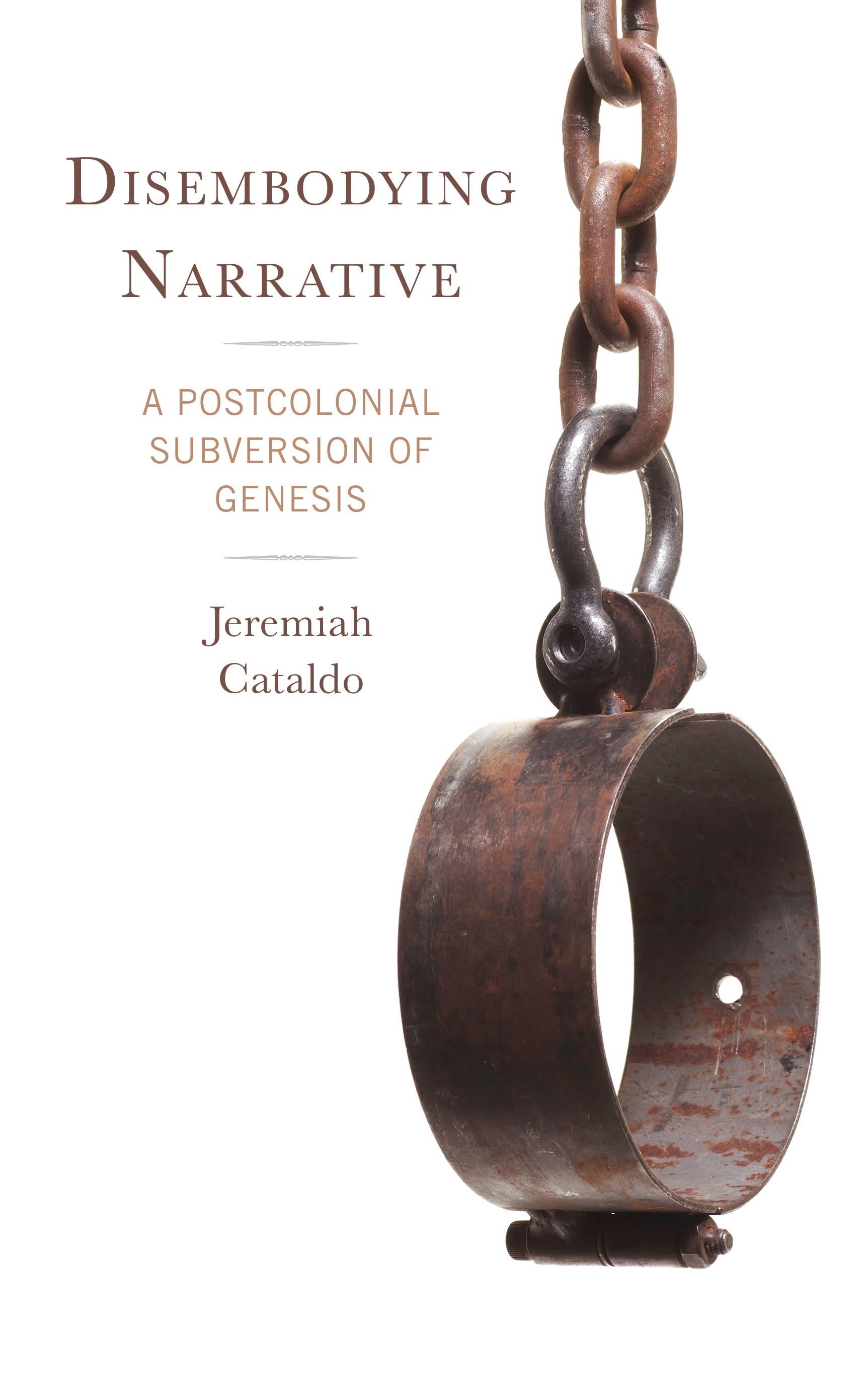
Long believed to bear witness to the beginning of all life, the Bible's first book, Genesis, has been plumbed by a cornucopia of theologies and philosophies for ideas about social organization, human relationships, class, gender and gender roles, marriage, land rights, private property, and so much more. For many readers, assumptions about a divine creator, whose eye is cast upon a favored community, are at the heart of Western societies and politics and reside at the core of many national foundation myths. Yet despite all this, Genesis is not a frequent subject of postcolonial analyses seeking to expose the rootedness of inequalities within dominant social, political, and economic institutions. At times provacative, at others conciliatory, Jeremiah Cataldo explores how postcolonialism's rudeness, anger, and subversiveness are challenges to dominant traditions of interpreting Genesis and how those traditions influence who we are, how we relate to each other, how we read the Bible, and why, despite an increasingly globalized and interconnected world, we passionately cling to what divides us.
Strony: 224
Kategoria: Religion & Teologi
e-ISBN: 9781978714984
Waga przesyłki: 1.2 kg
Wysyłka w ciągu: 1-2 dni
Płać wygodnie kartą, Klarną, Apple Pay lub Google Pay. Nie jesteś zadowolony? Zawsze masz 14-dniową gwarancję zwrotu pieniędzy. Więcej przeczytasz w naszych warunkach. Masz pytania? Napisz do nas na hello@memmo.org.
Memmo ułatwia naukę – gdziekolwiek jesteś na świecie. U nas znajdziesz podręczniki i sprytne narzędzia do nauki w jednym miejscu: streszczenia, quizy, podcasty i fiszki. A do tego Ted, Twój kumpel do nauki, który odpowie na wszystko, co Cię nurtuje. Ponad 50 000 studentów już tu się uczy – stworzone, byś uczył się szybciej i mniej stresował.