
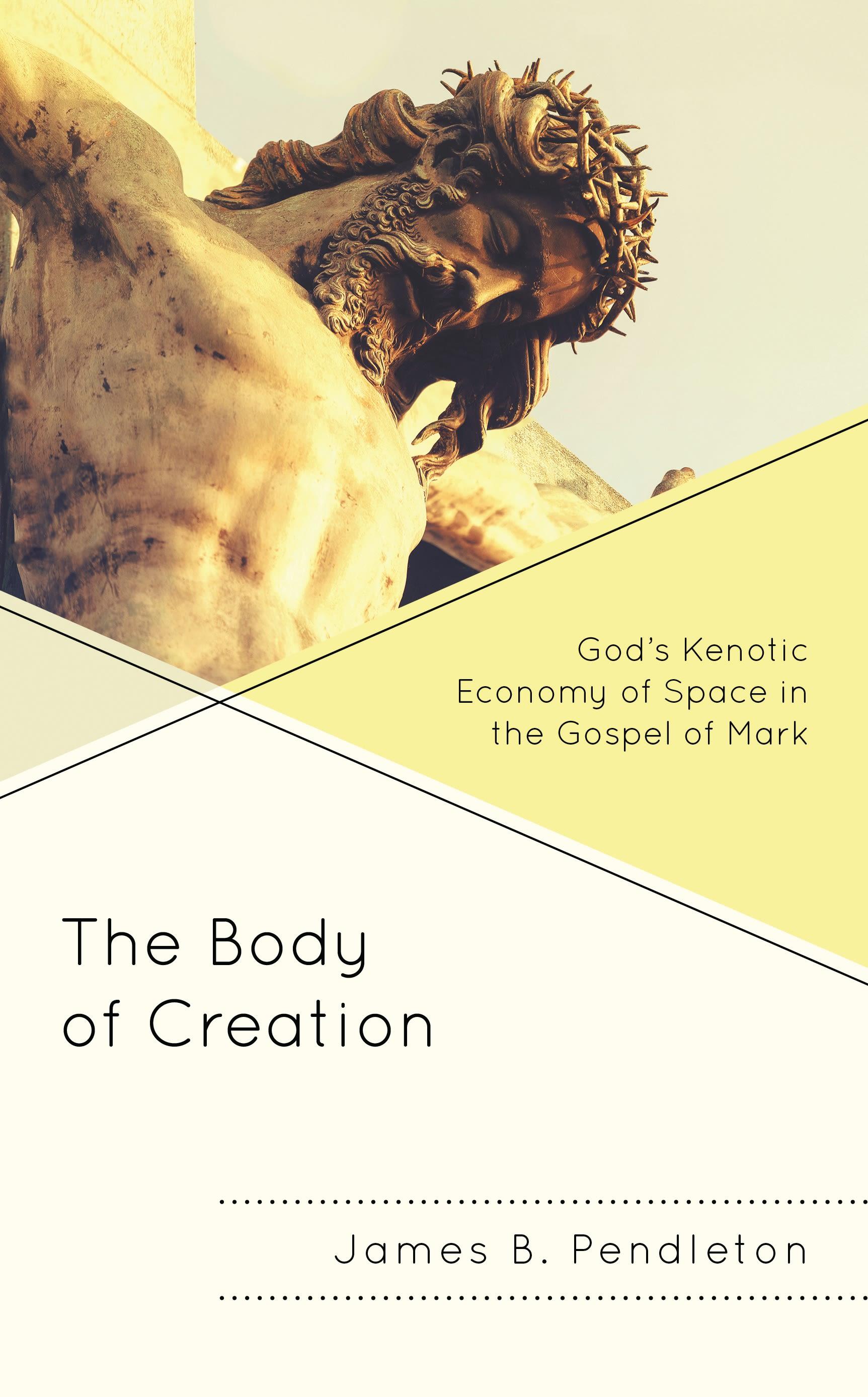
In the modern period, space has predominately been conceived of as a mere setting for human action, ontologically separate from the body. In Markan studies, the result has been the multiplication of textual geographies that hide the spatiality of Jesus’s narrativized and, thus, living body. Rather than representing Jesus’s body as replicating the spatial configurations of dominant scribal cartographic practice (including imperial practice), James B. Pendleton shows that Mark portrays Jesus’s body as a living production of space that troubles dominant maps. Against readings of Mark that argue that Jesus is either an imperial or an anti-imperial figure, Pendleton argues that Mark presents Jesus’s body, and thus his spatiality, as both inside (as an insider) and outside (as an outsider) simultaneously, in what has more commonly been theorized recently as third spatiality, or thirdspace. Rather than an imperial or anti-imperial economy of spatial production, Pendleton argues, Mark presents Jesus’s body within a both-and and more economy that is kenotic, revealing God’s own royal yet “emptying” body.
Płać wygodnie kartą, Klarną, Apple Pay lub Google Pay. Nie jesteś zadowolony? Zawsze masz 14-dniową gwarancję zwrotu pieniędzy. Więcej przeczytasz w naszych warunkach. Masz pytania? Napisz do nas na hello@memmo.org.
Memmo ułatwia naukę – gdziekolwiek jesteś na świecie. U nas znajdziesz podręczniki i sprytne narzędzia do nauki w jednym miejscu: streszczenia, quizy, podcasty i fiszki. A do tego Ted, Twój kumpel do nauki, który odpowie na wszystko, co Cię nurtuje. Ponad 50 000 studentów już tu się uczy – stworzone, byś uczył się szybciej i mniej stresował.