
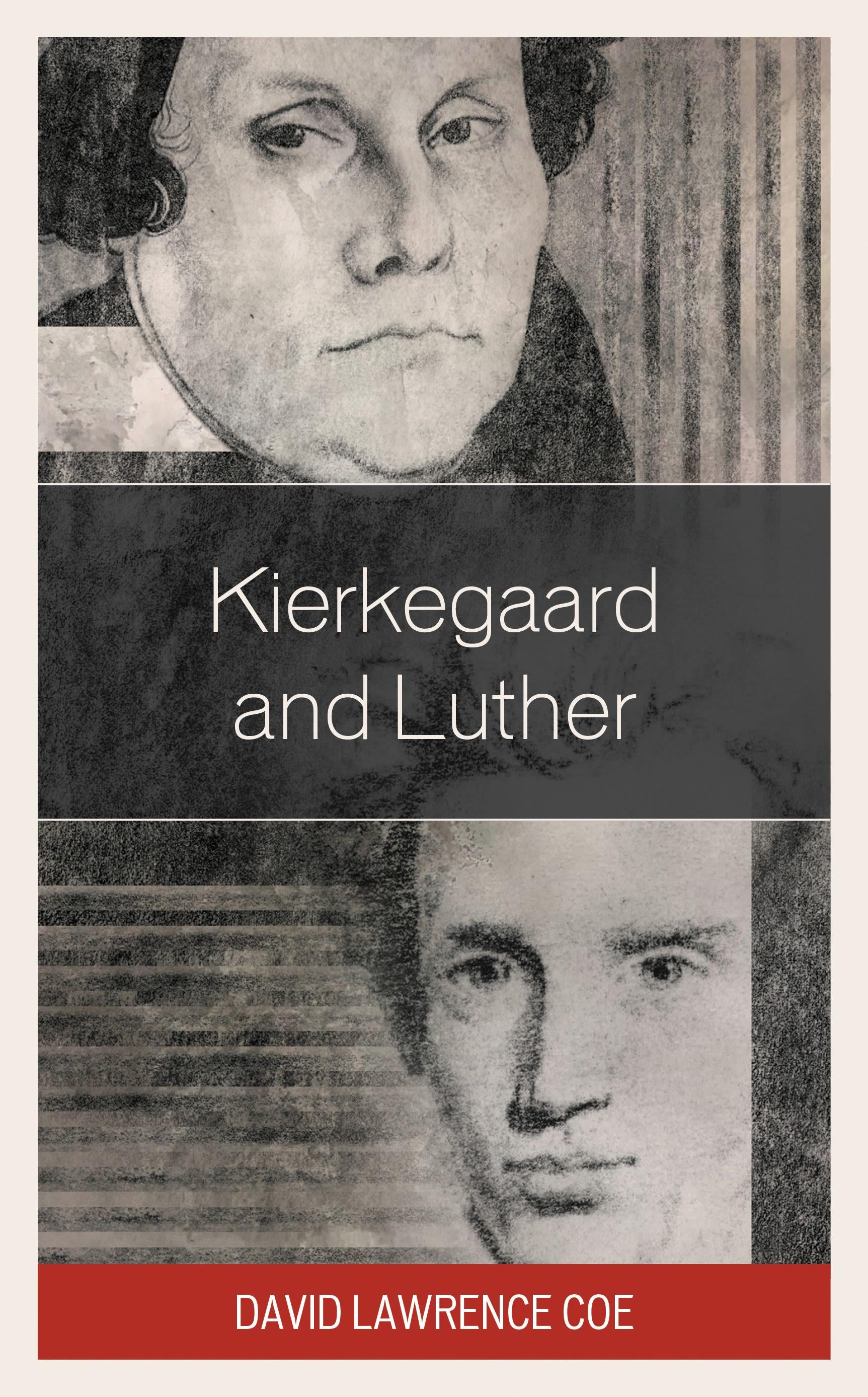
Søren Kierkegaard denounced nineteenth-century Danish Lutheranism for exploiting Martin Luther's doctrine of justification "without works" as justification for an antinomian easy life. Kierkegaard saw his own writing as a corrective: “I have wanted to prevent people in ‘Christendom’ from existentially taking in vain Luther and the significance of Luther's life.” In 1847, Kierkegaard began an eight-year reading of Luther’s sermons, forking through them for extracts to confirm his theological corrective rather than to comprehend the breadth of Luther’s thought. While he found much to laud, Kierkegaard also found much to lance, privately commenting that Luther was partially responsible for what he considered the problematic Lutheranism of his own day. Furthermore, David Coe argues, Kierkegaard was unaware that his copy of Luther's church and house postils was a heavily abridged edition of extracts from those postils. Therefore, his appraisal of Luther begs to be investigated. Kierkegaard and Luther examines the Luther sermons Kierkegaard read, what he praised and criticized, missed, and misjudged of Luther, and spotlights the concord these two Lutheran giants actually shared, namely, the negative yet necessary role that Christian suffering (Anfechtung/Anfægtelse) plays in Christian faith and life.
Płać wygodnie kartą, Klarną, Apple Pay lub Google Pay. Nie jesteś zadowolony? Zawsze masz 14-dniową gwarancję zwrotu pieniędzy. Więcej przeczytasz w naszych warunkach. Masz pytania? Napisz do nas na hello@memmo.org.
Memmo ułatwia naukę – gdziekolwiek jesteś na świecie. U nas znajdziesz podręczniki i sprytne narzędzia do nauki w jednym miejscu: streszczenia, quizy, podcasty i fiszki. A do tego Ted, Twój kumpel do nauki, który odpowie na wszystko, co Cię nurtuje. Ponad 50 000 studentów już tu się uczy – stworzone, byś uczył się szybciej i mniej stresował.