
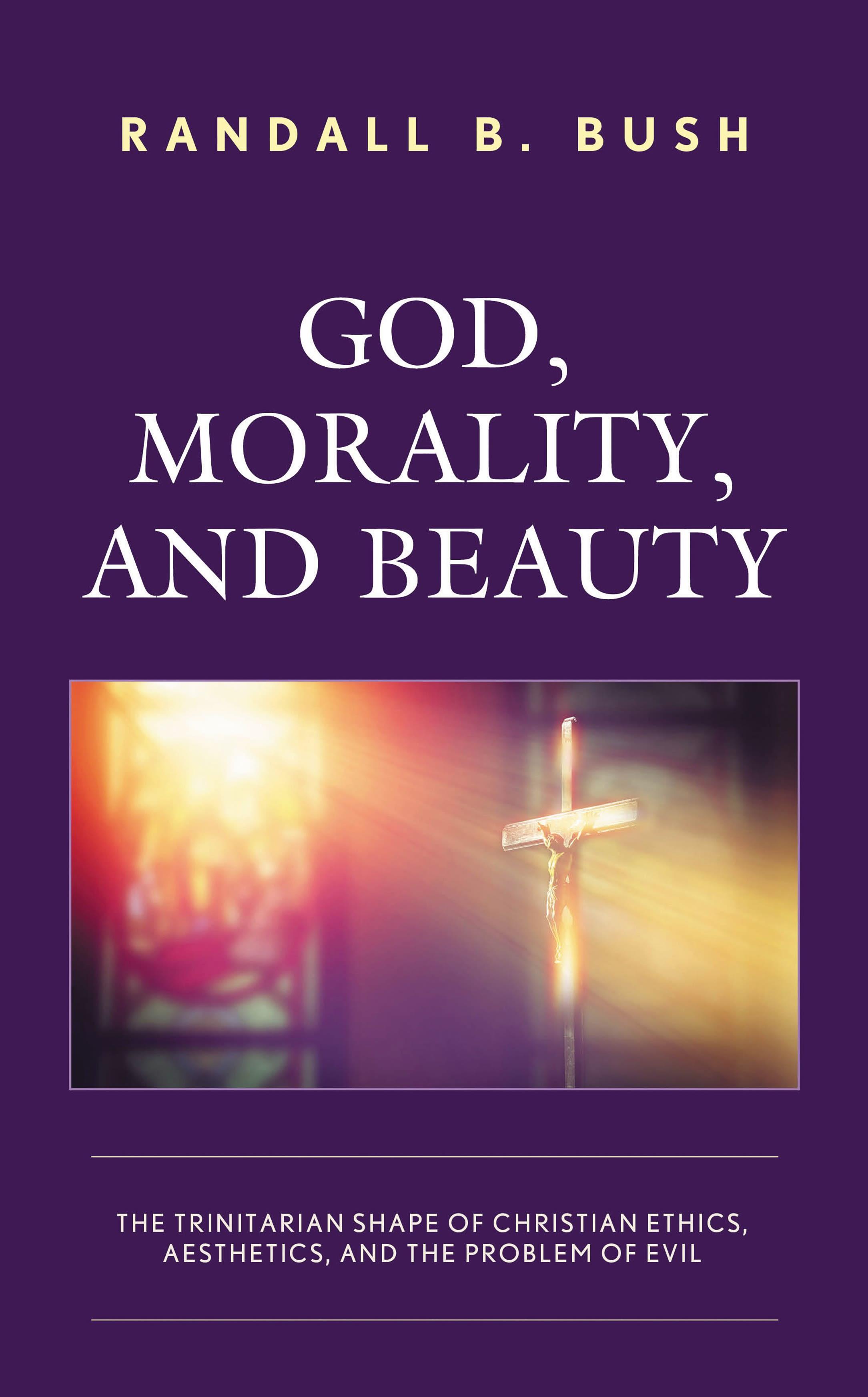
Randall B. Bush analyzes the ways unacknowledged axiological assumptions (e.g., about what is important, why human beings are valuing creatures, and where the capacity to value comes from) prejudice the perspectives and approaches of various academic disciplines, especially in the social sciences and the humanities. The disciplines of ethics and aesthetics provide the most useful tools for a philosophy of value, but academic overspecialization has compartmentalized and segregated these disciplines from others, threatening to unravel the unity of conceptions of the moral and the beautiful in human existence. Bush argues that a dialectical approach to conflicts between ethics and aesthetics can point to a broader, axiological vision––informed by a Trinitarian conception of reality––in which the whole, a coherent theory of value, is more than the sum of its parts.
Płać wygodnie kartą, Klarną, Apple Pay lub Google Pay. Nie jesteś zadowolony? Zawsze masz 14-dniową gwarancję zwrotu pieniędzy. Więcej przeczytasz w naszych warunkach. Masz pytania? Napisz do nas na hello@memmo.org.
Memmo ułatwia naukę – gdziekolwiek jesteś na świecie. U nas znajdziesz podręczniki i sprytne narzędzia do nauki w jednym miejscu: streszczenia, quizy, podcasty i fiszki. A do tego Ted, Twój kumpel do nauki, który odpowie na wszystko, co Cię nurtuje. Ponad 50 000 studentów już tu się uczy – stworzone, byś uczył się szybciej i mniej stresował.