
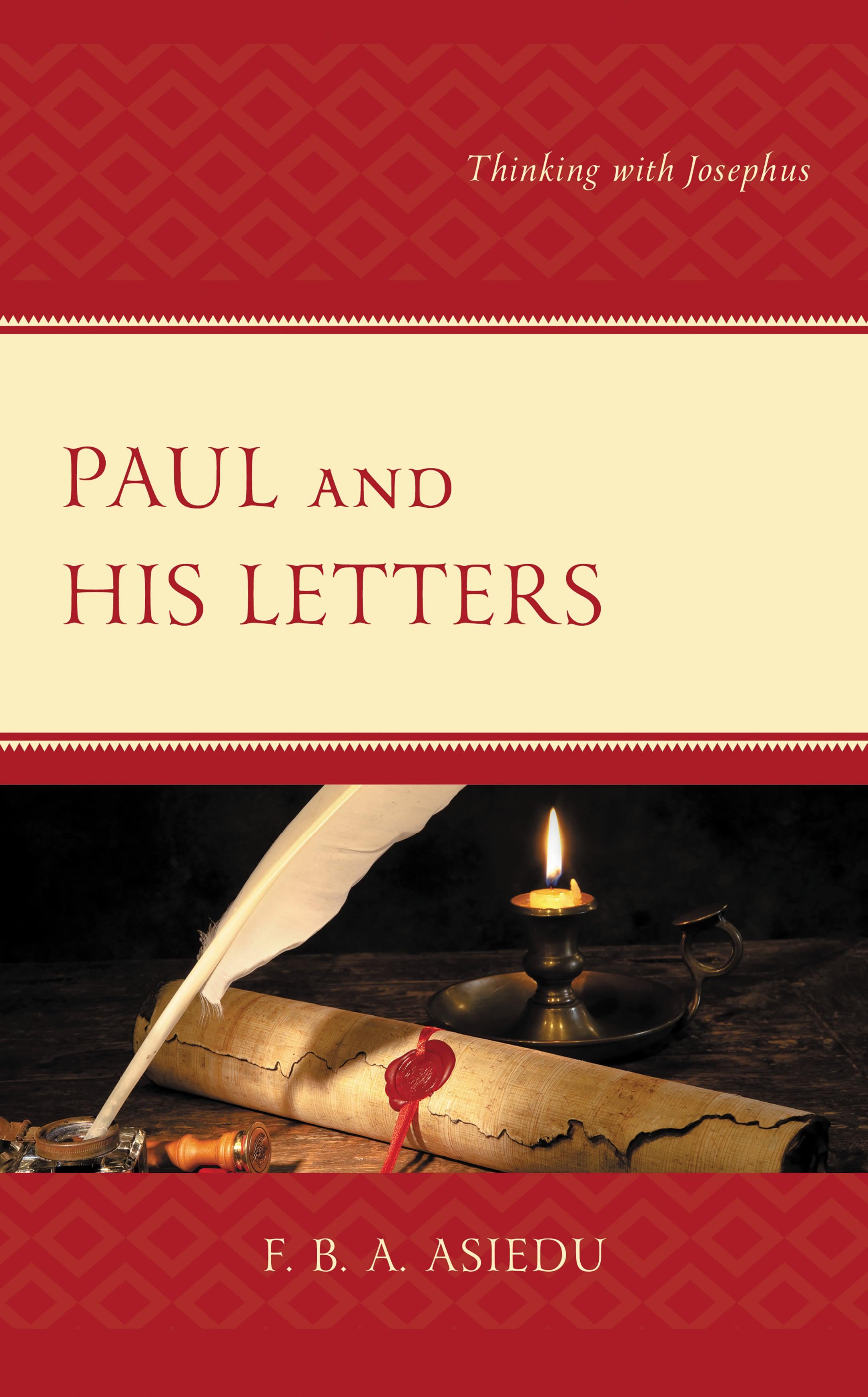
Paul the apostle and historian Flavius Josephus spent considerable parts of their careers away from Jerusalem. They cultivated Roman audiences under very different circumstances: Paul with his Letter to the Romans, and Josephus with the writings he produced in Rome after the Jewish War. Curiously, Paul’s last visit to Jerusalem coincided with Josephus’s entry into public life, a period about which Josephus is deliberately silent. In Paul and His Letters: Thinking with Josephus, F. B. A. Asiedu selects themes from Josephus’s life to explore Paul’s letters and biography that contribute to his uniqueness in Jewish history. He highlights, for example, the need to read Romans 9–11 as aporetic discourse to appreciate Paul as an existential thinker. Asiedu considers, among other things, the authenticity of Paul’s letters and offers an alternative to the prevailing scholarly consensus. He also maintains that the Pauline collection in the New Testament first took shape in the house of Gaius in Corinth, where Paul composed his Letter to the Romans. Asiedu also suggests that the traditional view that Luke the physician wrote the Acts of the Apostles is probably a mistake. He argues that Titus the Greek, the coworker and friend of Barnabas and Paul, most likely authored it.
Płać wygodnie kartą, Klarną, Apple Pay lub Google Pay. Nie jesteś zadowolony? Zawsze masz 14-dniową gwarancję zwrotu pieniędzy. Więcej przeczytasz w naszych warunkach. Masz pytania? Napisz do nas na hello@memmo.org.
Memmo ułatwia naukę – gdziekolwiek jesteś na świecie. U nas znajdziesz podręczniki i sprytne narzędzia do nauki w jednym miejscu: streszczenia, quizy, podcasty i fiszki. A do tego Ted, Twój kumpel do nauki, który odpowie na wszystko, co Cię nurtuje. Ponad 50 000 studentów już tu się uczy – stworzone, byś uczył się szybciej i mniej stresował.