
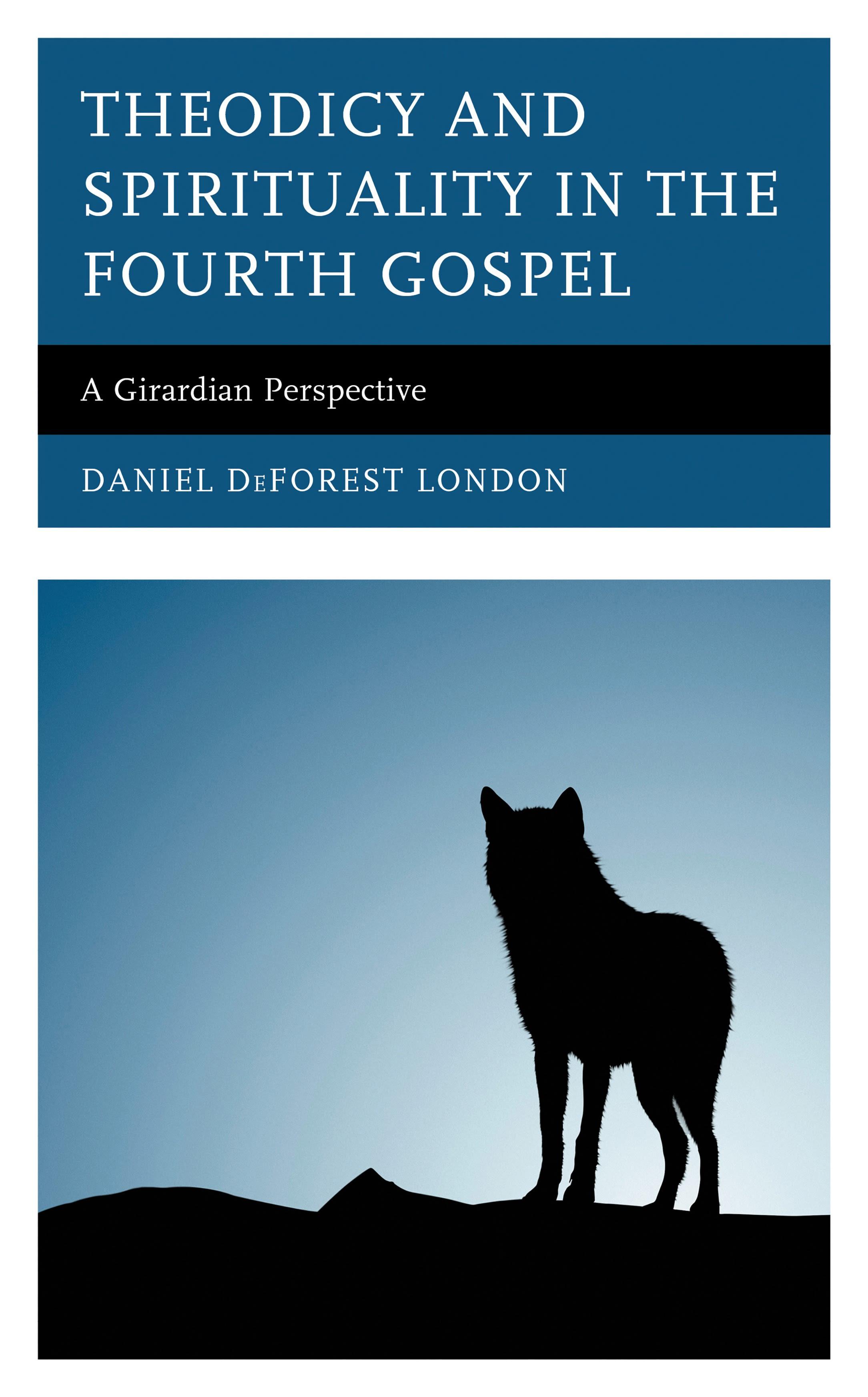
Daniel DeForest London argues that the Fourth Gospel offers a potentially transformative response to the question of suffering and the human compulsion to blame. Based on his reading of John 9 (the man born blind), London argues that the Gospel does not offer a theodicy, but rather a theodical spirituality, an experience of praying the question of suffering and remaining open to a divine response. London shows how the Johannine Jesus’s response poses three sets of symbols in dichotomy (day/night, vision/blindness, sheep/wolf), each subverted by another, core symbol (light, judge, shepherd). By interpreting these symbols in light of mimetic theory, he argues that Jesus’s response reveals the scapegoat mechanism in which an innocent victim is blamed by violent victimizers. However, rather than blaming the victimizers, Jesus continues to engage with the characters who appear to be villains: the light of the world transforms night and day into one continuous day; the Good Shepherd welcomes sheep and wolf into his beloved flock. In this way, readers are invited to bring to the Johannine Jesus their own violence, resentment, and wolfish rage regarding the question of suffering and to experience the theodical spirituality of the Fourth Gospel.
Płać wygodnie kartą, Klarną, Apple Pay lub Google Pay. Nie jesteś zadowolony? Zawsze masz 14-dniową gwarancję zwrotu pieniędzy. Więcej przeczytasz w naszych warunkach. Masz pytania? Napisz do nas na hello@memmo.org.
Memmo ułatwia naukę – gdziekolwiek jesteś na świecie. U nas znajdziesz podręczniki i sprytne narzędzia do nauki w jednym miejscu: streszczenia, quizy, podcasty i fiszki. A do tego Ted, Twój kumpel do nauki, który odpowie na wszystko, co Cię nurtuje. Ponad 50 000 studentów już tu się uczy – stworzone, byś uczył się szybciej i mniej stresował.