
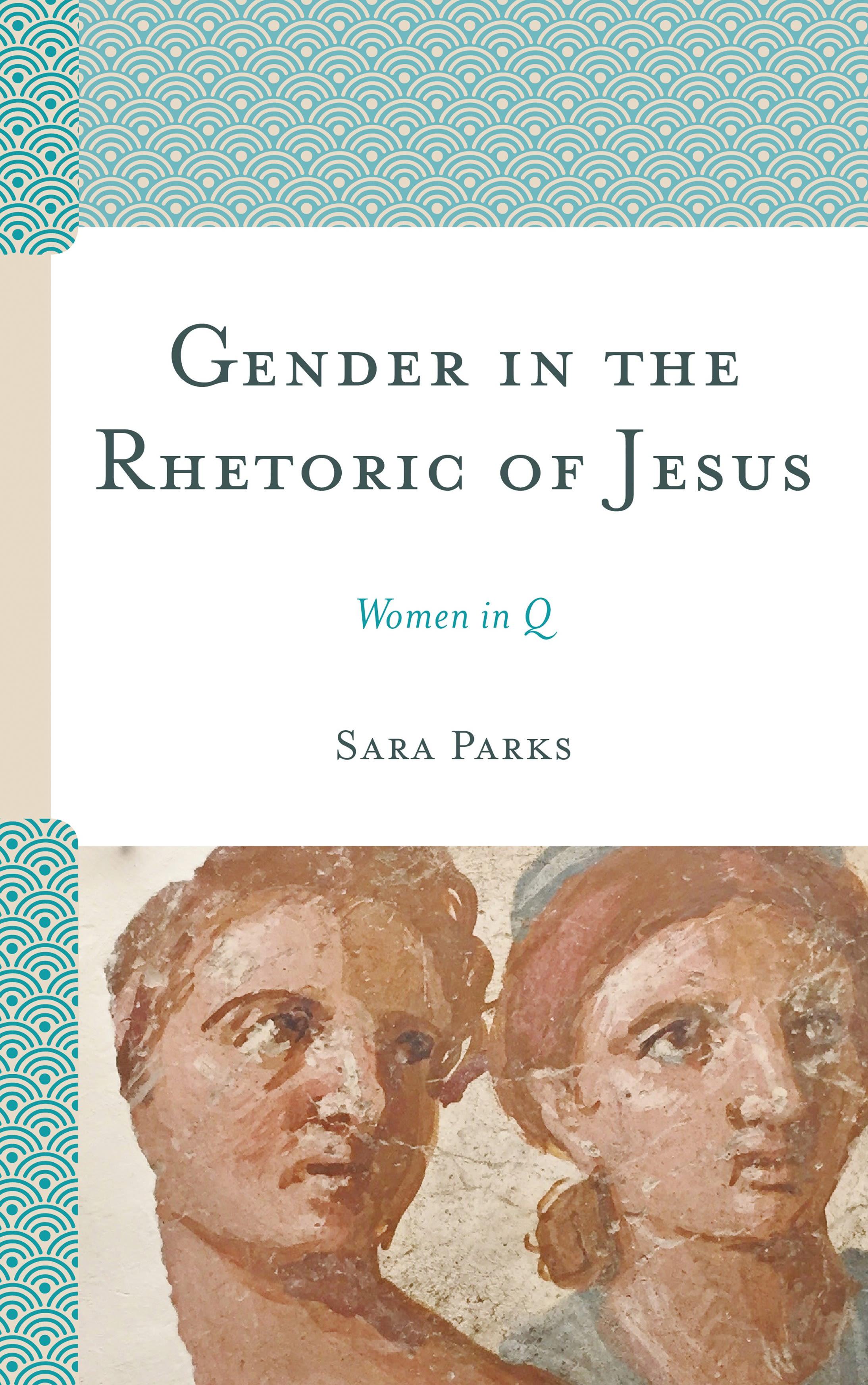
Examining the hypothetical earliest layer of Jesus’ sayings known as Q, Sara Parks argues that Jesus deliberately crafted parabolic teachings regarding the basileia of God to appeal to both male and female adherents. For a century after Q, vestiges of gender-paired teachings popped up in multiple independent texts related to Jesus, from Mark to Paul to the Synoptics and John—making it more likely that this inclusion of women originated with Jesus himself. In Gender and the Rhetoric of Jesus, Parks engages the divided scholarship on the meaning of gendered pairs for an evaluation of the gender politics of Q, arguing that even though Q’s peculiar rhetoric of gender equality was an innovation, it was also a product of its time, as evidenced in other contemporaneous texts which struggled with ambiguous equalities, from Philo to Musonius Rufus to Joseph and Aseneth. In addition, she shows that Jesus’ rhetoric of gender, as remembered in Q constitutes some of the earliest evidence for the study of first-century Jewish women, and women in Christian origins.
Płać wygodnie kartą, Klarną, Apple Pay lub Google Pay. Nie jesteś zadowolony? Zawsze masz 14-dniową gwarancję zwrotu pieniędzy. Więcej przeczytasz w naszych warunkach. Masz pytania? Napisz do nas na hello@memmo.org.
Memmo ułatwia naukę – gdziekolwiek jesteś na świecie. U nas znajdziesz podręczniki i sprytne narzędzia do nauki w jednym miejscu: streszczenia, quizy, podcasty i fiszki. A do tego Ted, Twój kumpel do nauki, który odpowie na wszystko, co Cię nurtuje. Ponad 50 000 studentów już tu się uczy – stworzone, byś uczył się szybciej i mniej stresował.