
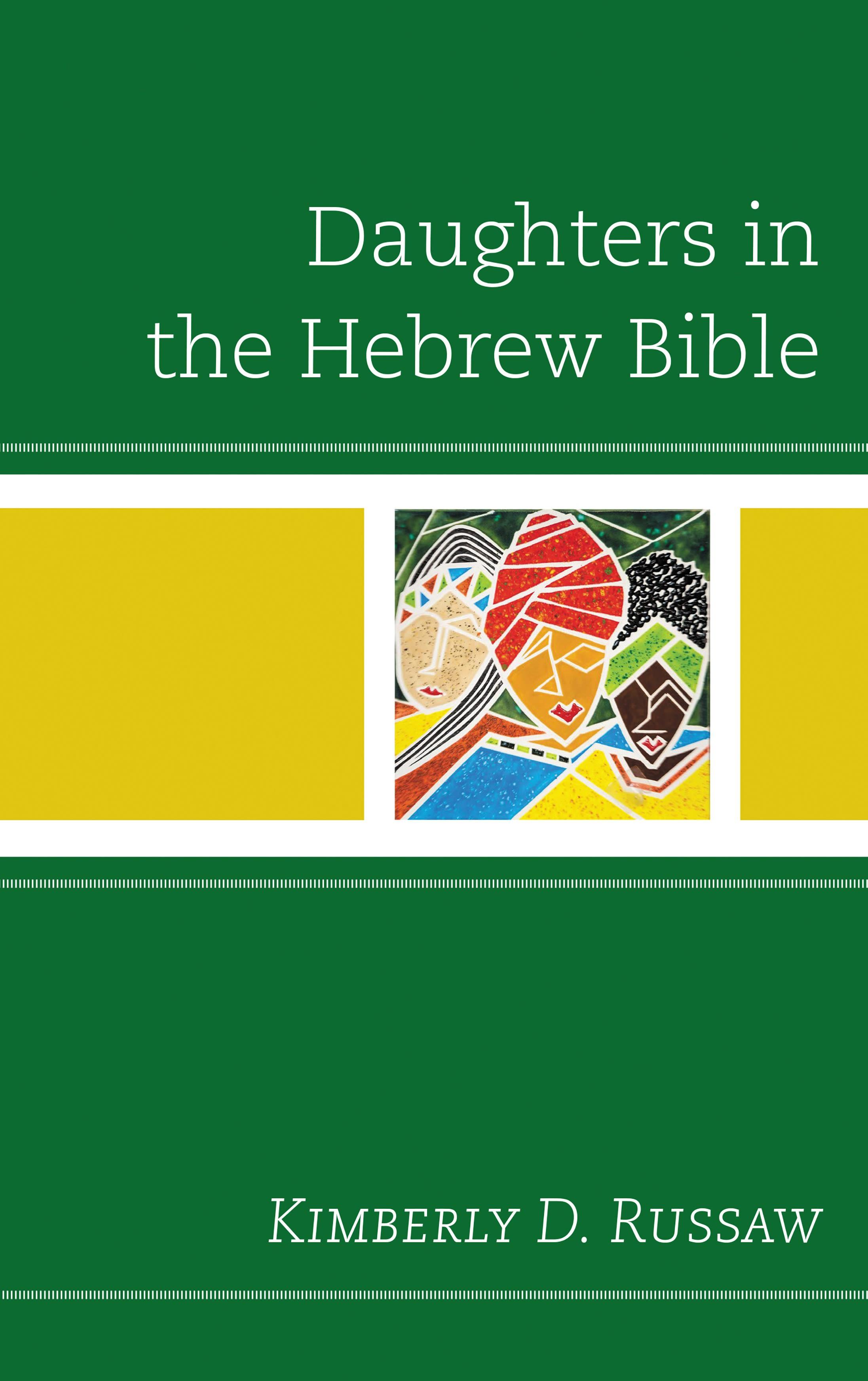
While the expectations and circumstances of women’s lives in ancient Israel have received considerable attention in recent scholarship, to date little attention has been focused on the role of daughters in Hebrew narrative??that is, of yet unmarried female members of the household, who are not yet mothers. Kimberly D. Russaw argues that daughters are more than foils for the males (fathers, brothers, etc.) in biblical narratives and that they often use particular tactics to navigate antagonistic systems of power in their worlds. Institutions and power structures favor the patriarch, sons inherit such privileges and benefits, and wives and mothers are ascribed special status because they ensure the patrilineal legacy by birthing sons; but daughters do not receive such social favor or standing. Instead of privileging daughters, systems and institutions control their bodies, restrict their access, and constrict their movement. Combining philological data, social-science models, and cross-cultural comparisons, Russaw examines the systems that constrict biblical daughters in their worlds and the strategies they employ when hostile social forces threaten their well-being.
Płać wygodnie kartą, Klarną, Apple Pay lub Google Pay. Nie jesteś zadowolony? Zawsze masz 14-dniową gwarancję zwrotu pieniędzy. Więcej przeczytasz w naszych warunkach. Masz pytania? Napisz do nas na hello@memmo.org.
Memmo ułatwia naukę – gdziekolwiek jesteś na świecie. U nas znajdziesz podręczniki i sprytne narzędzia do nauki w jednym miejscu: streszczenia, quizy, podcasty i fiszki. A do tego Ted, Twój kumpel do nauki, który odpowie na wszystko, co Cię nurtuje. Ponad 50 000 studentów już tu się uczy – stworzone, byś uczył się szybciej i mniej stresował.