
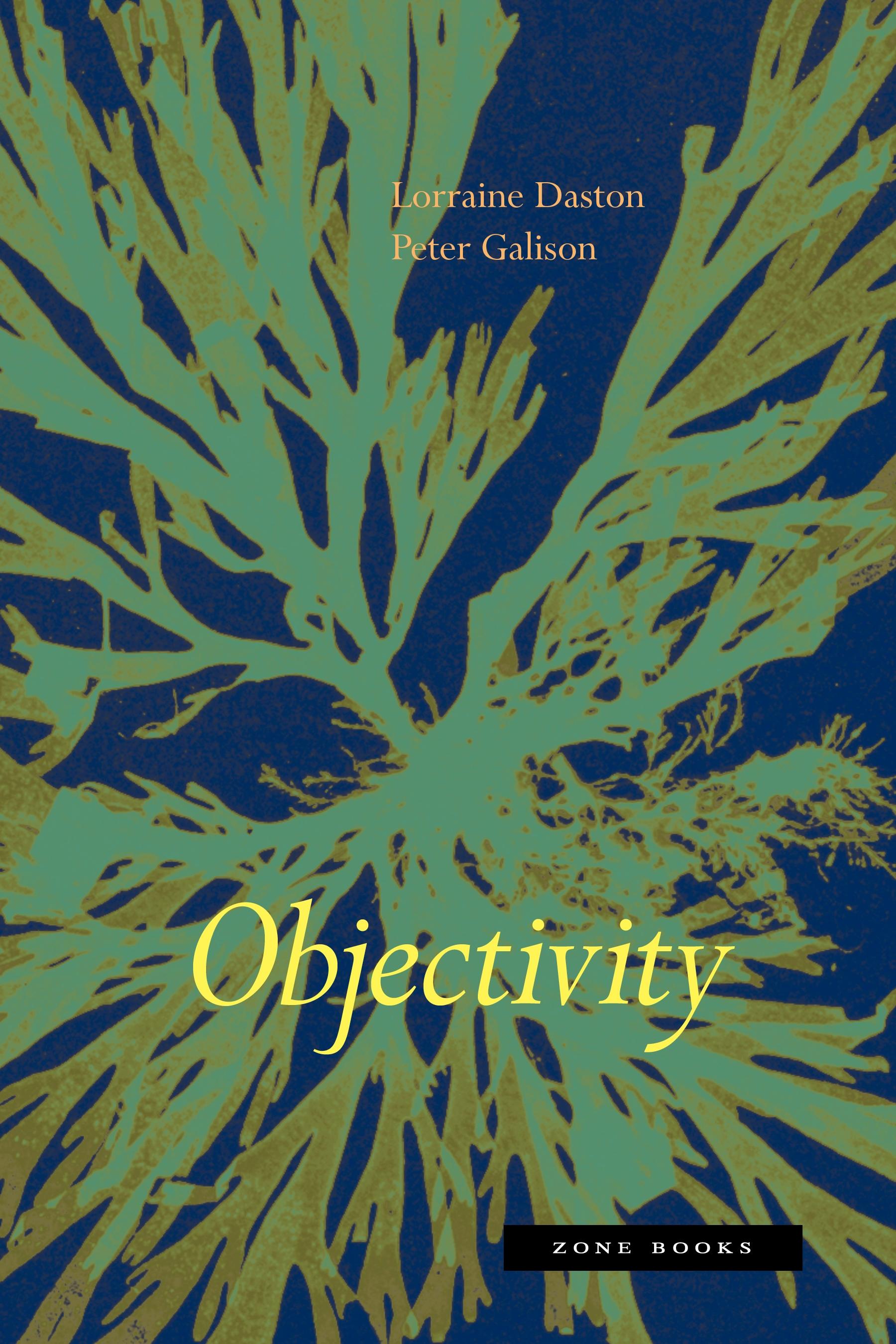
Objectivity has a history, and it is full of surprises. In Objectivity, Lorraine Daston and Peter Galison chart the emergence of objectivity in the mid-nineteenth-century sciences — and show how the concept differs from alternatives, truth-to-nature and trained judgment. This is a story of lofty epistemic ideals fused with workaday practices in the making of scientific images.
From the eighteenth through the early twenty-first centuries, the images that reveal the deepest commitments of the empirical sciences — from anatomy to crystallography — are those featured in scientific atlases: the compendia that teach practitioners of a discipline what is worth looking at and how to look at it. Atlas images define the working objects of the sciences of the eye: snowflakes, galaxies, skeletons, even elementary particles.
Galison and Daston use atlas images to uncover a hidden history of scientific objectivity and its rivals. Whether an atlas maker idealizes an image to capture the essentials in the name of truth-to-nature or refuses to erase even the most incidental detail in the name of objectivity or highlights patterns in the name of trained judgment is a decision enforced by an ethos as well as by an epistemology.
As Daston and Galison argue, atlases shape the subjects as well as the objects of science. To pursue objectivity — or truth-to-nature or trained judgment — is simultaneously to cultivate a distinctive scientific self wherein knowing and knower converge. Moreover, the very point at which they visibly converge is in the very act of seeing not as a separate individual but as a member of a particular scientific community. Embedded in the atlas image, therefore, are the traces of consequential choices about knowledge, persona, and collective sight. Objectivity is a book addressed to any one interested in the elusive and crucial notion of objectivity — and in what it means to peer into the world scientifically.
Płać wygodnie kartą, Klarną, Apple Pay lub Google Pay. Nie jesteś zadowolony? Zawsze masz 14-dniową gwarancję zwrotu pieniędzy. Więcej przeczytasz w naszych warunkach. Masz pytania? Napisz do nas na hello@memmo.org.
Memmo ułatwia naukę – gdziekolwiek jesteś na świecie. U nas znajdziesz podręczniki i sprytne narzędzia do nauki w jednym miejscu: streszczenia, quizy, podcasty i fiszki. A do tego Ted, Twój kumpel do nauki, który odpowie na wszystko, co Cię nurtuje. Ponad 50 000 studentów już tu się uczy – stworzone, byś uczył się szybciej i mniej stresował.