
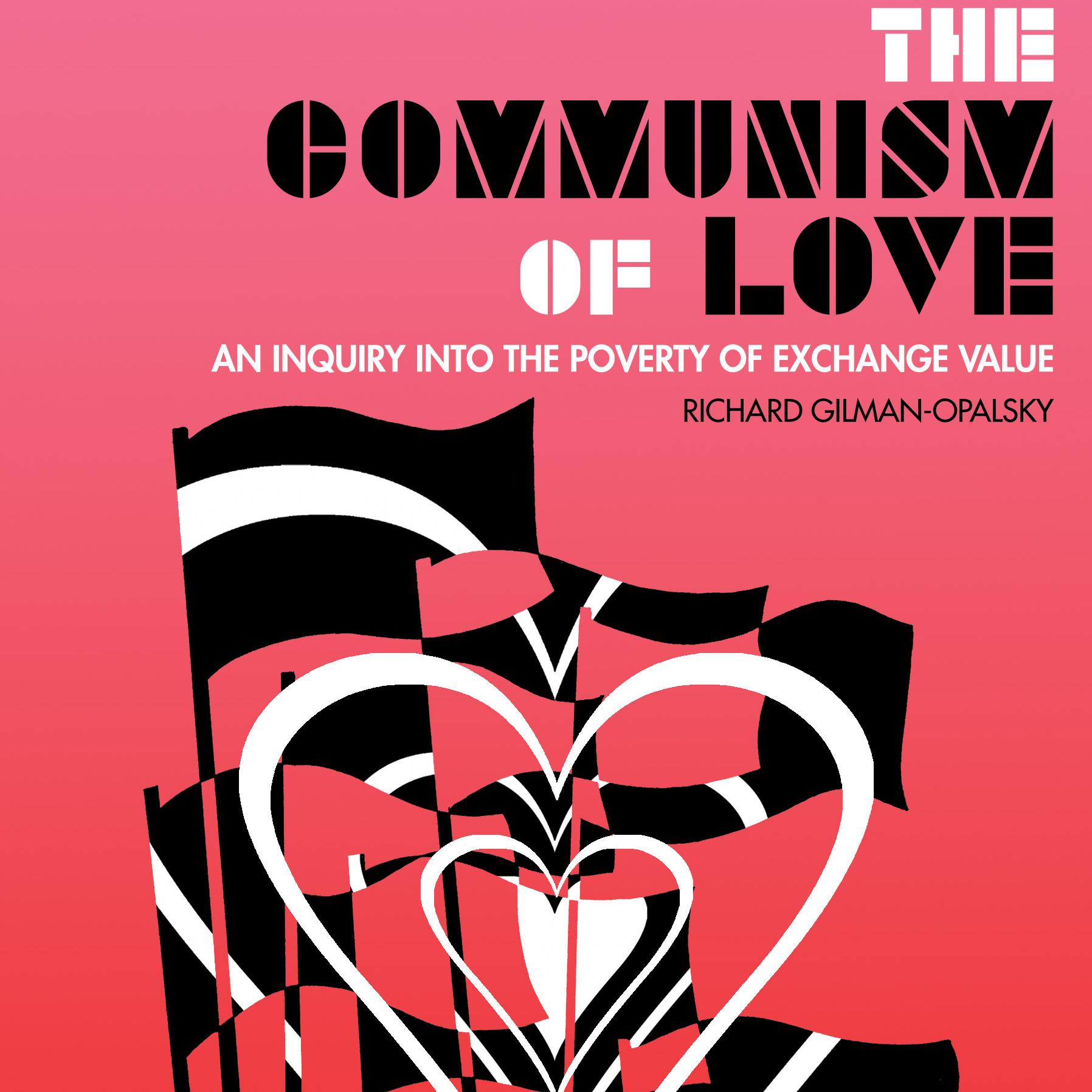
Exploring the meanings and powers of love from ancient Greece to the present day, Richard Gilman-Opalsky argues that what is called “love” by the best thinkers who have approached the subject is in fact the beating heart of communism—understood as a way of living, not as a form of government. Along the way, he reveals with clarity that the capitalist way of assigning value to things is incapable of appreciating what humans value most. Capitalism cannot value the experiences and relationships that make our lives worth living and can only destroy love by turning it into a commodity. The Communism of Love follows the struggles of love in different contexts of race, class, gender, and sexuality, and shows how the aspiration for love is as close as we may get to a universal communist aspiration.
Płać wygodnie kartą, Klarną, Apple Pay lub Google Pay. Nie jesteś zadowolony? Zawsze masz 14-dniową gwarancję zwrotu pieniędzy. Więcej przeczytasz w naszych warunkach. Masz pytania? Napisz do nas na hello@memmo.org.
Memmo ułatwia naukę – gdziekolwiek jesteś na świecie. U nas znajdziesz podręczniki i sprytne narzędzia do nauki w jednym miejscu: streszczenia, quizy, podcasty i fiszki. A do tego Ted, Twój kumpel do nauki, który odpowie na wszystko, co Cię nurtuje. Ponad 50 000 studentów już tu się uczy – stworzone, byś uczył się szybciej i mniej stresował.