
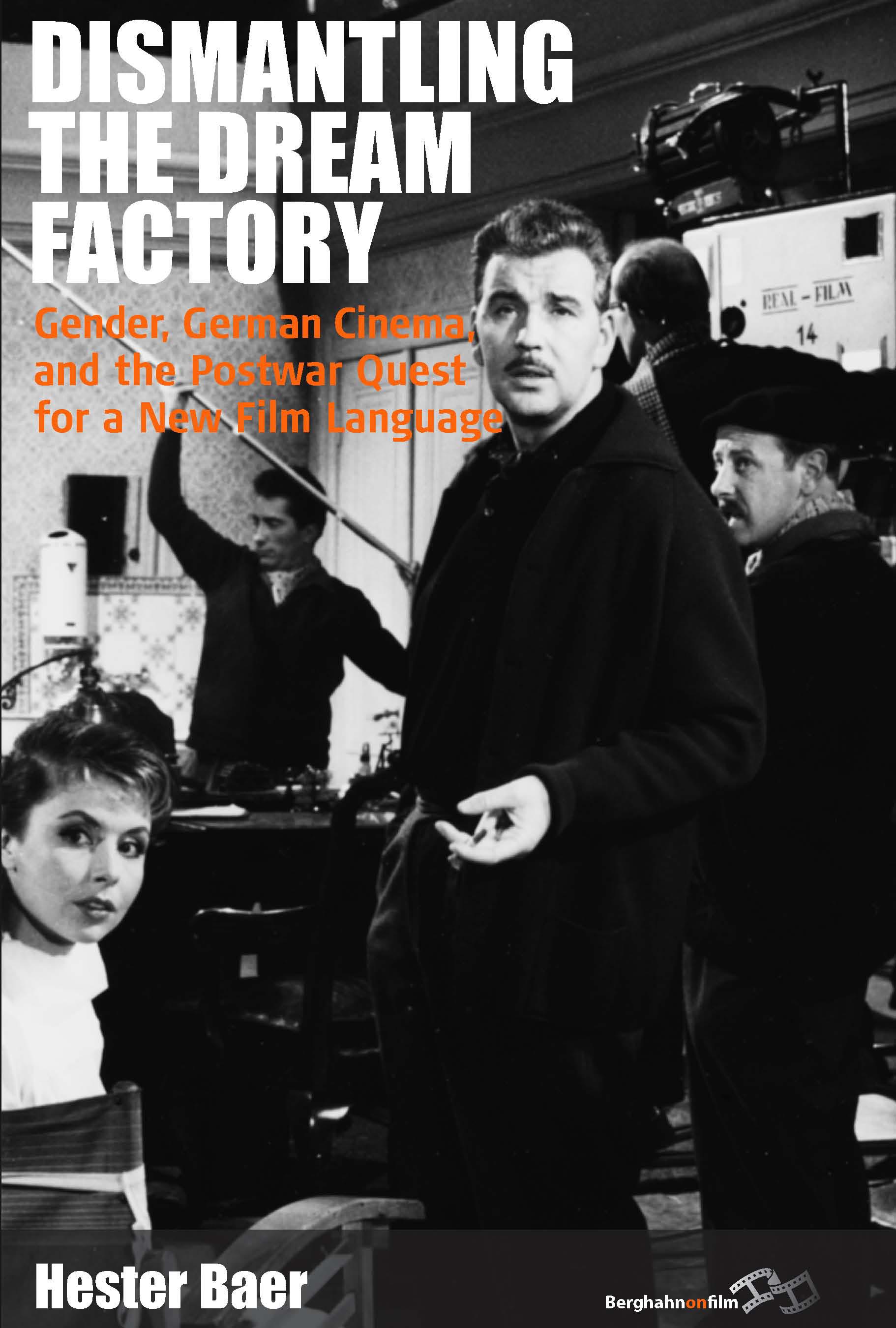
The history of postwar German cinema has most often been told as a story of failure, a failure paradoxically epitomized by the remarkable popularity of film throughout the late 1940s and 1950s. Through the analysis of 10 representative films, Hester Baer reassesses this period, looking in particular at how the attempt to ‘dismantle the dream factory’ of Nazi entertainment cinema resulted in a new cinematic language which developed as a result of the changing audience demographic. In an era when female viewers comprised 70 per cent of cinema audiences a ‘women’s cinema’ emerged, which sought to appeal to female spectators through its genres, star choices, stories and formal conventions. In addition to analyzing the formal language and narrative content of these films, Baer uses a wide array of other sources to reconstruct the original context of their reception, including promotional and publicity materials, film programs, censorship documents, reviews and spreads in fan magazines. This book presents a new take on an essential period, which saw the rebirth of German cinema after its thorough delegitimization under the Nazi regime.
Płać wygodnie kartą, Klarną, Apple Pay lub Google Pay. Nie jesteś zadowolony? Zawsze masz 14-dniową gwarancję zwrotu pieniędzy. Więcej przeczytasz w naszych warunkach. Masz pytania? Napisz do nas na hello@memmo.org.
Memmo ułatwia naukę – gdziekolwiek jesteś na świecie. U nas znajdziesz podręczniki i sprytne narzędzia do nauki w jednym miejscu: streszczenia, quizy, podcasty i fiszki. A do tego Ted, Twój kumpel do nauki, który odpowie na wszystko, co Cię nurtuje. Ponad 50 000 studentów już tu się uczy – stworzone, byś uczył się szybciej i mniej stresował.