
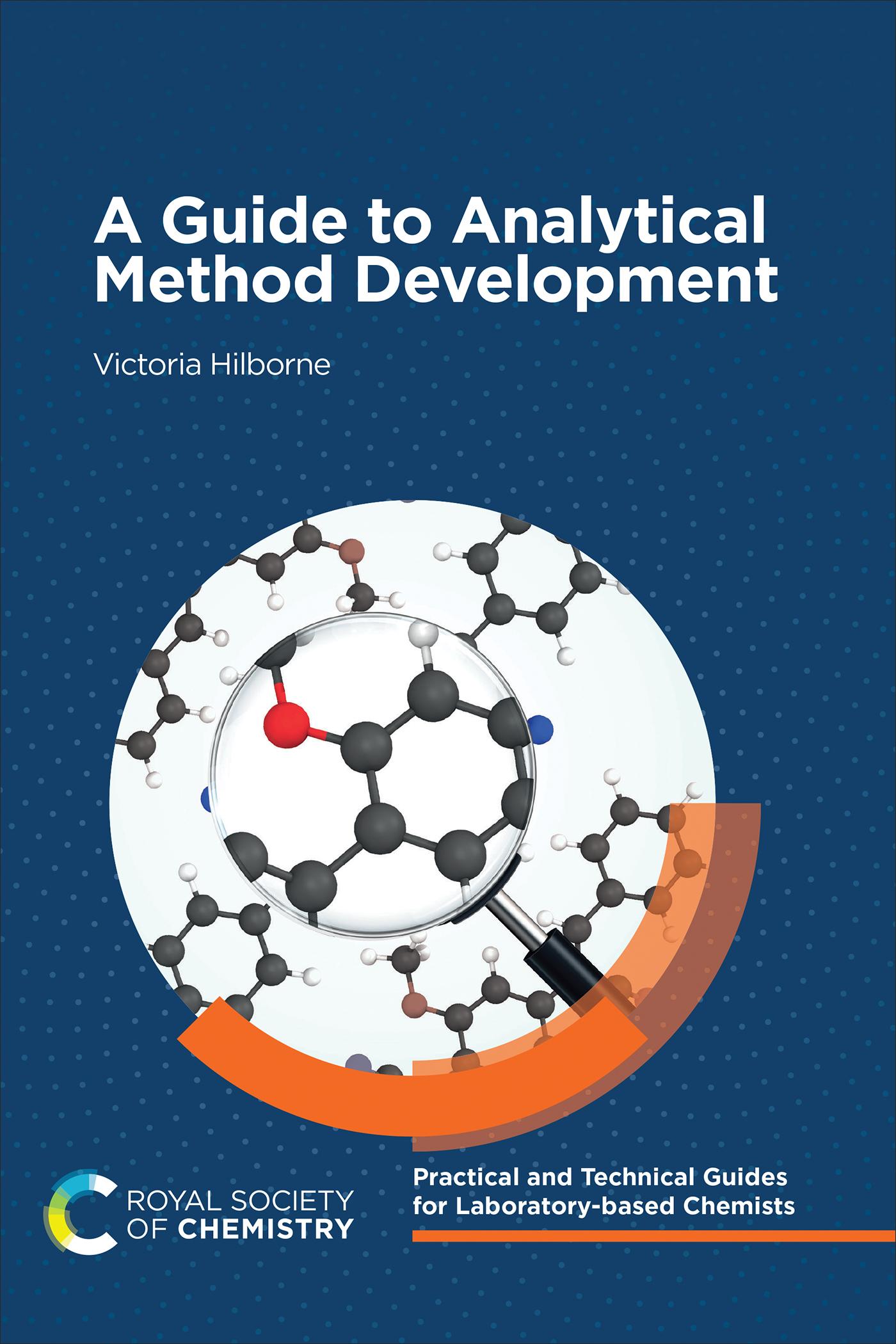
Have you been given a sample of unknown matter and don’t know where to start with working out what that sample might be?
Knowing where to start when presented with a new chemical measurement problem can be daunting, but this book guides you through the reasonable steps to take to ascertain what a sample might be. From planning and developing appropriate analytical measurement methods to method validation, it fills a gap in the literature where there are few, to no, general guides on what to consider when developing chemical measurement methods. Starting with managing the various complexities of sample matrices, discussion on how to select techniques for the identification and quantification of analytes and, finally, details on assessment of the data to streamline the method development process are provided. Approaches range from sourcing and using established methods to adaptation and innovation in method development. Consideration is also given to what is appropriate to solve the analytical measurement problem whilst minimizing cost and optimizing use of time.
Written for the novice, this book is also appropriate for established analytical chemists looking for new ideas. It will remove the worry of starting a new project or identifying that elusive sample.
Płać wygodnie kartą, Klarną, Apple Pay lub Google Pay. Nie jesteś zadowolony? Zawsze masz 14-dniową gwarancję zwrotu pieniędzy. Więcej przeczytasz w naszych warunkach. Masz pytania? Napisz do nas na hello@memmo.org.
Memmo ułatwia naukę – gdziekolwiek jesteś na świecie. U nas znajdziesz podręczniki i sprytne narzędzia do nauki w jednym miejscu: streszczenia, quizy, podcasty i fiszki. A do tego Ted, Twój kumpel do nauki, który odpowie na wszystko, co Cię nurtuje. Ponad 50 000 studentów już tu się uczy – stworzone, byś uczył się szybciej i mniej stresował.