
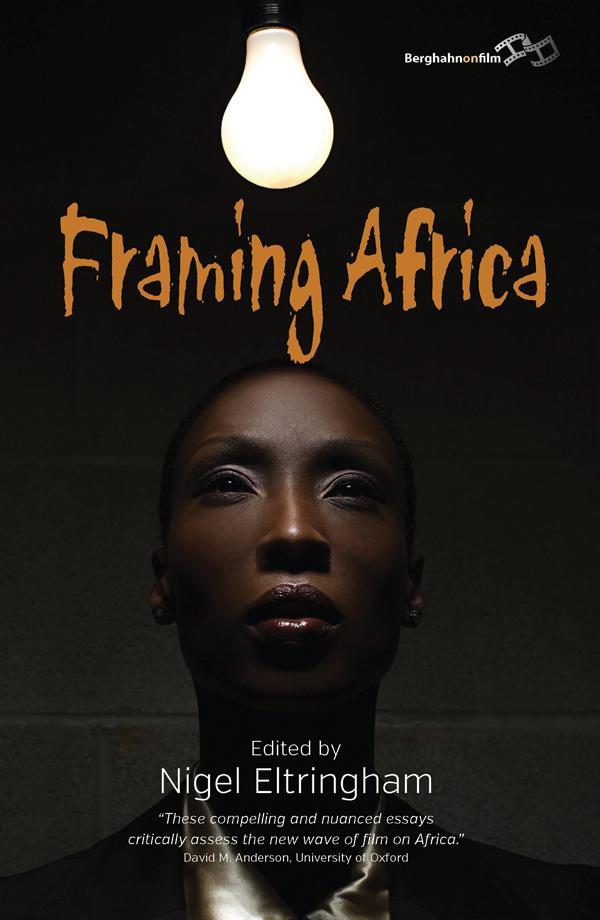
The first decade of the 21st century has seen a proliferation of North American and European films that focus on African politics and society. While once the continent was the setting for narratives of heroic ascendancy over self (The African Queen, 1951; The Snows of Kilimanjaro, 1952), military odds (Zulu, 1964; Khartoum, 1966) and nature (Mogambo, 1953; Hatari!,1962; Born Free, 1966; The Last Safari, 1967), this new wave of films portrays a continent blighted by transnational corruption (The Constant Gardener, 2005), genocide (Hotel Rwanda, 2004; Shooting Dogs, 2006), ‘failed states’ (Black Hawk Down, 2001), illicit transnational commerce (Blood Diamond, 2006) and the unfulfilled promises of decolonization (The Last King of Scotland, 2006). Conversely, where once Apartheid South Africa was a brutal foil for the romance of East Africa (Cry Freedom, 1987; A Dry White Season, 1989), South Africa now serves as a redeemed contrast to the rest of the continent (Red Dust, 2004; Invictus, 2009). Writing from the perspective of long-term engagement with the contexts in which the films are set, anthropologists and historians reflect on these films and assess the contemporary place Africa holds in the North American and European cinematic imagination.
Płać wygodnie kartą, Klarną, Apple Pay lub Google Pay. Nie jesteś zadowolony? Zawsze masz 14-dniową gwarancję zwrotu pieniędzy. Więcej przeczytasz w naszych warunkach. Masz pytania? Napisz do nas na hello@memmo.org.
Memmo ułatwia naukę – gdziekolwiek jesteś na świecie. U nas znajdziesz podręczniki i sprytne narzędzia do nauki w jednym miejscu: streszczenia, quizy, podcasty i fiszki. A do tego Ted, Twój kumpel do nauki, który odpowie na wszystko, co Cię nurtuje. Ponad 50 000 studentów już tu się uczy – stworzone, byś uczył się szybciej i mniej stresował.