
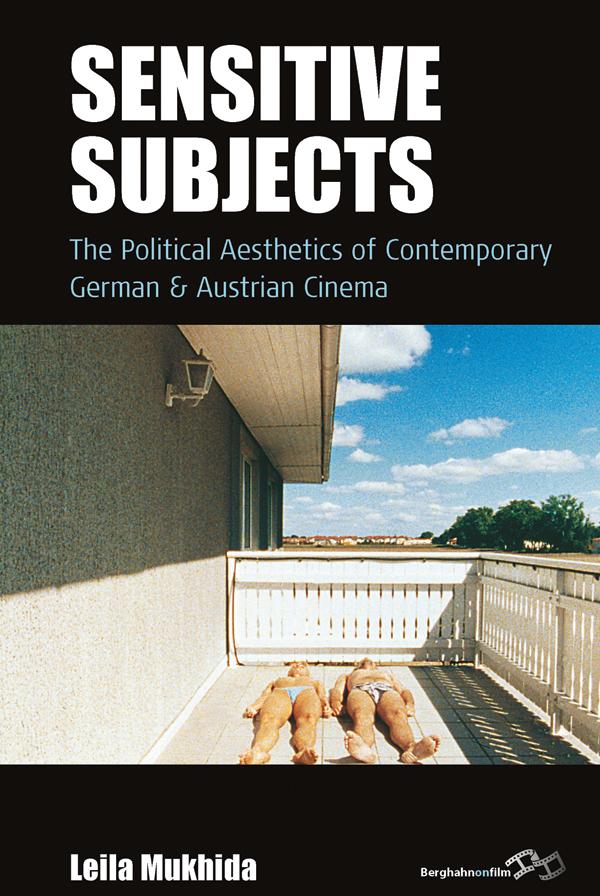
Both politically and aesthetically, the contemporary German and Austrian film landscape is a far cry from the early days of the medium, when critics like Siegfried Kracauer produced foundational works of film theory amid the tumult of the early twentieth century. Yet, as Leila Mukhida demonstrates in this innovative study, the writings of figures like Kracauer and Walter Benjamin in fact remain an undervalued tool for understanding political cinema today. Through illuminating explorations of Michael Haneke, Valeska Grisebach, Andreas Dresen, and other filmmakers of the post-reunification era, Mukhida develops an analysis centered on film aesthetics and experience, showing how medium-specific devices like lighting, sound, and mise-en-scène can help to cultivate political sensitivity in spectators.
Płać wygodnie kartą, Klarną, Apple Pay lub Google Pay. Nie jesteś zadowolony? Zawsze masz 14-dniową gwarancję zwrotu pieniędzy. Więcej przeczytasz w naszych warunkach. Masz pytania? Napisz do nas na hello@memmo.org.
Memmo ułatwia naukę – gdziekolwiek jesteś na świecie. U nas znajdziesz podręczniki i sprytne narzędzia do nauki w jednym miejscu: streszczenia, quizy, podcasty i fiszki. A do tego Ted, Twój kumpel do nauki, który odpowie na wszystko, co Cię nurtuje. Ponad 50 000 studentów już tu się uczy – stworzone, byś uczył się szybciej i mniej stresował.