
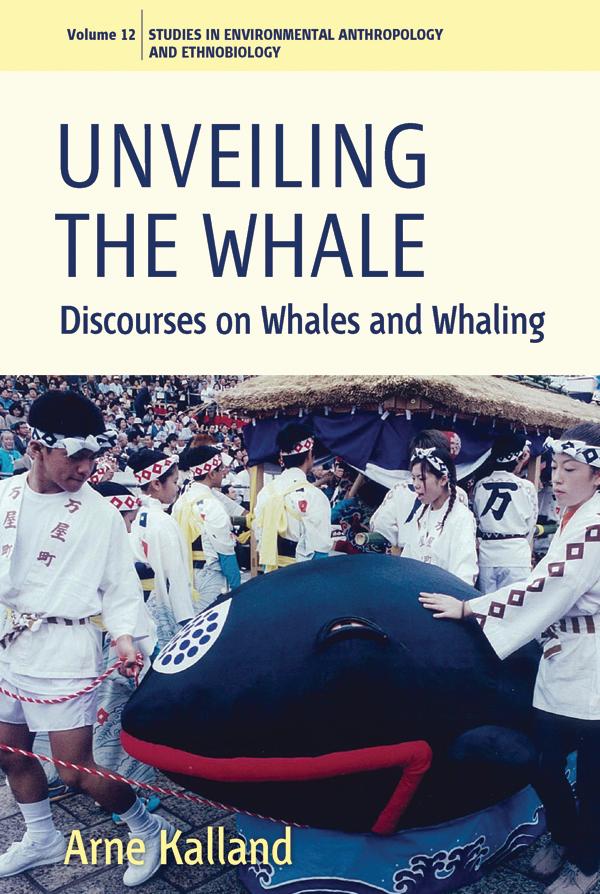
Whaling has become one of the most controversial environmental issues. It is not that all whale species are at the brink of extinction, but that whales have become important symbols to both pro- and anti-whaling factions and can easily be appropriated as the common heritage of humankind. This book, the first of its kind, is therefore not about whales and whaling per se but about how people communicate about whales and whaling. It contributes to a better understanding and discussion of controversial environmental issues: Why and how are issues selected? How is knowledge on these issues produced and distributed by organizations and activists? And why do affluent countries like Japan and Norway still support whaling, which is of insignificant economic importance? Basing his analysis on fieldwork in Japan and Norway and at the International Whaling Commission, the author argues how an image of a “superwhale” has been constructed and how this image has replaced meat and oil as the important whale commodity. He concludes that the whaling issue provides an arena where NGOs and authorities on each side can unite, swapping political legitimacy and building personal relations that can be useful on issues where relations are less harmonious.
Płać wygodnie kartą, Klarną, Apple Pay lub Google Pay. Nie jesteś zadowolony? Zawsze masz 14-dniową gwarancję zwrotu pieniędzy. Więcej przeczytasz w naszych warunkach. Masz pytania? Napisz do nas na hello@memmo.org.
Memmo ułatwia naukę – gdziekolwiek jesteś na świecie. U nas znajdziesz podręczniki i sprytne narzędzia do nauki w jednym miejscu: streszczenia, quizy, podcasty i fiszki. A do tego Ted, Twój kumpel do nauki, który odpowie na wszystko, co Cię nurtuje. Ponad 50 000 studentów już tu się uczy – stworzone, byś uczył się szybciej i mniej stresował.