
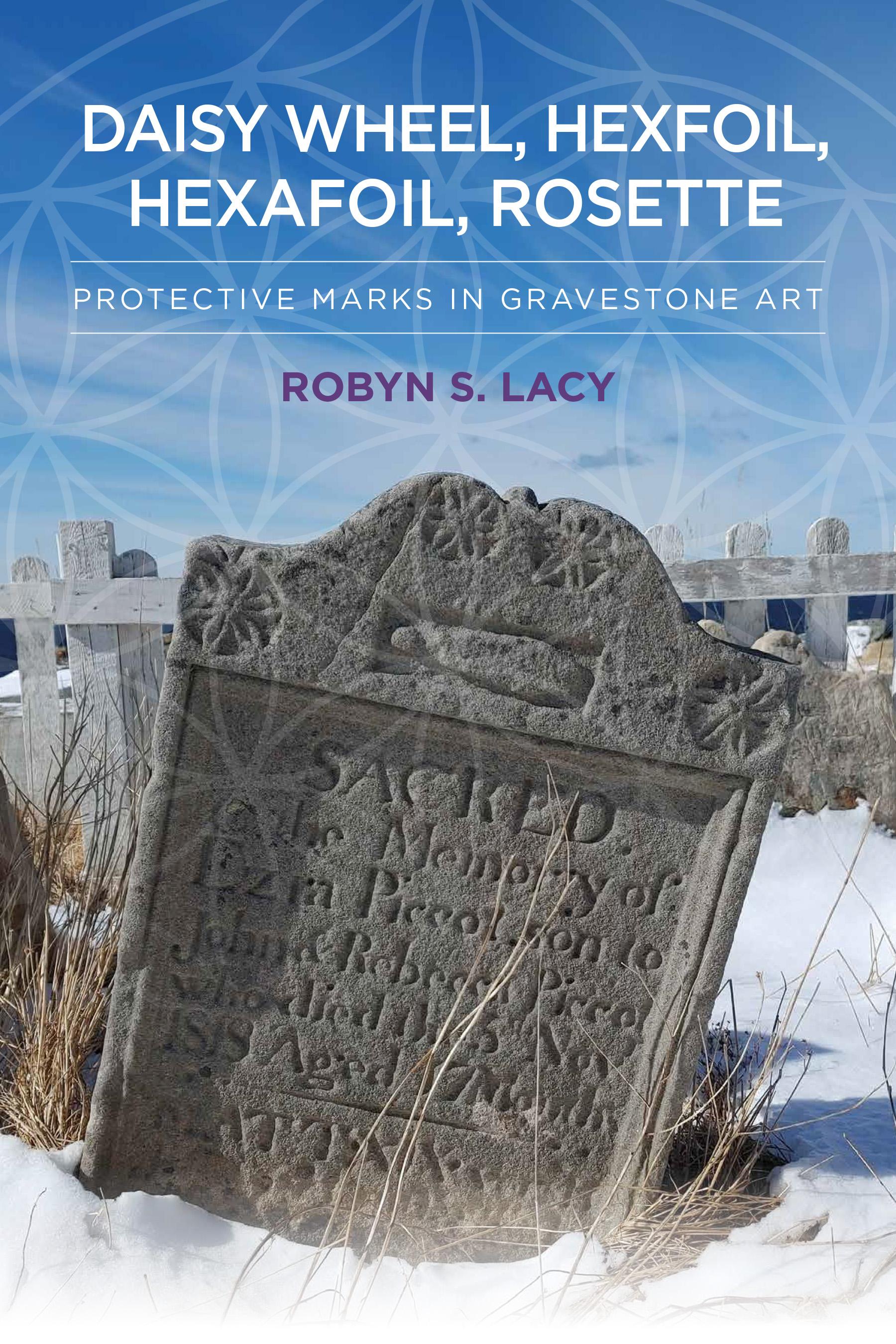
The use of protective symbols, also known as apotropaic marks, are often part of folk magic traditions, appearing in homes, churches, on personal items, and even graves, across Europe, Australia, and North America. The most common and well-known of these marks is the hexfoil, otherwise known as the daisy wheel, witch hex, or rosette. Hexfoils have a history of use for personal protection and were carved both intentionally or graffitied into church pews and walls, bed frames, doors, and gravestones. This research sheds light on the use of this historic symbol to protect the bodies and souls of the deceased, across several thousand years and multiple countries.
Płać wygodnie kartą, Klarną, Apple Pay lub Google Pay. Nie jesteś zadowolony? Zawsze masz 14-dniową gwarancję zwrotu pieniędzy. Więcej przeczytasz w naszych warunkach. Masz pytania? Napisz do nas na hello@memmo.org.
Memmo ułatwia naukę – gdziekolwiek jesteś na świecie. U nas znajdziesz podręczniki i sprytne narzędzia do nauki w jednym miejscu: streszczenia, quizy, podcasty i fiszki. A do tego Ted, Twój kumpel do nauki, który odpowie na wszystko, co Cię nurtuje. Ponad 50 000 studentów już tu się uczy – stworzone, byś uczył się szybciej i mniej stresował.