
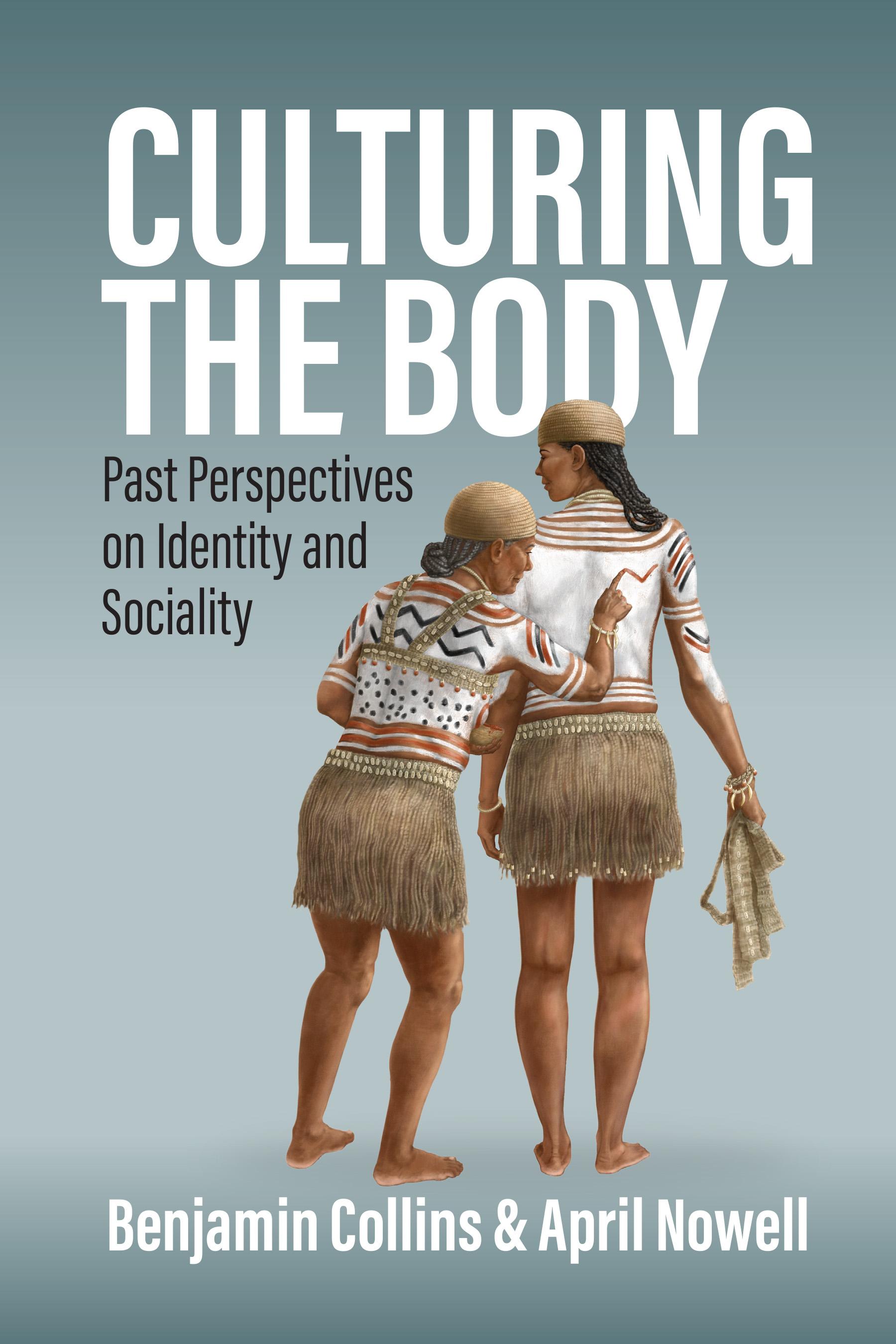
The human body is both the site of lived experiences and a means of communicating those experiences to a diverse audience. Hominins have been culturing their bodies, that is adding social and cultural meaning through the use pigments and objects, for over 100,000 years. There is archaeological evidence for practices of adornment of the body by late Pleistocene and early Holocene hominins, including personal ornaments, clothing, hairstyles, body painting, and tattoos. These practices have been variously interpreted to reflect differences such as gender, status, and ethnicity, to attract or intimidate others, and as indices of a symbolically mediated self and personal identity. These studies contribute to a novel and growing body of evidence for diversity of cultural expression in the past, something that is a hallmark of human cultures today.
Płać wygodnie kartą, Klarną, Apple Pay lub Google Pay. Nie jesteś zadowolony? Zawsze masz 14-dniową gwarancję zwrotu pieniędzy. Więcej przeczytasz w naszych warunkach. Masz pytania? Napisz do nas na hello@memmo.org.
Memmo ułatwia naukę – gdziekolwiek jesteś na świecie. U nas znajdziesz podręczniki i sprytne narzędzia do nauki w jednym miejscu: streszczenia, quizy, podcasty i fiszki. A do tego Ted, Twój kumpel do nauki, który odpowie na wszystko, co Cię nurtuje. Ponad 50 000 studentów już tu się uczy – stworzone, byś uczył się szybciej i mniej stresował.