
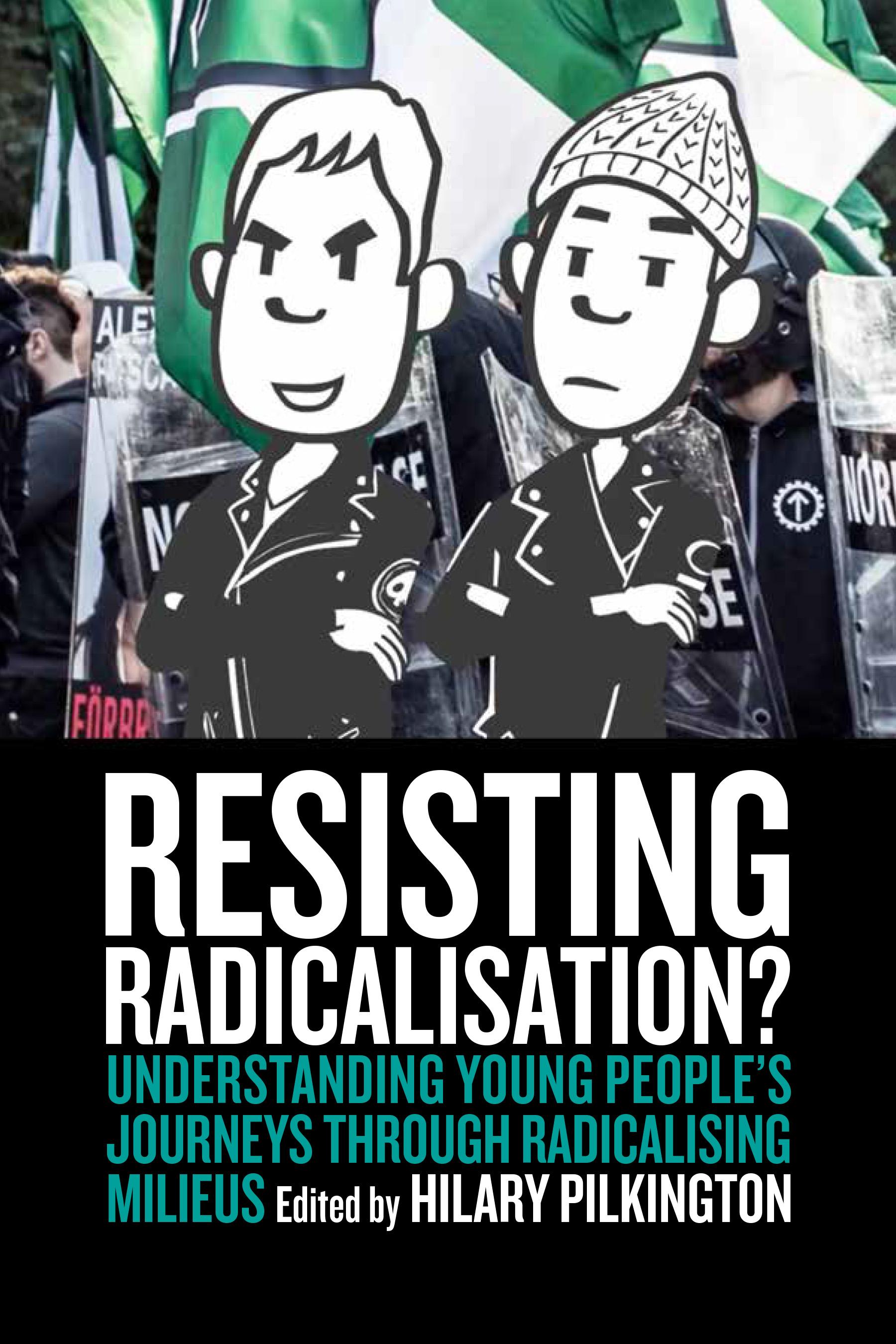
This landmark volume of extensive empirical research conducted across Europe explains how, and why, young people become engaged in radical(ising) milieus but also resist radicalisation into violent extremism.
Offering a critical perspective on the concept of radicalisation, this volume views it from the perspective of social actors who engage in radicalising milieus but for the most part have not crossed the threshold into violent extremism. It brings together contributions conducted as part of a cross-European (including France, Germany, the Netherlands, Greece, Russia, Turkey, the UK, and beyond) study of young people's engagement in ‘extreme right’ and ‘Islamist’ milieus.
It argues that radicalisation is best understood as a relational concept reflecting a social process rooted in relational inequalities but also shaped by interactional and situational dynamics, which not only facilitate but also constrain radicalisation.
Płać wygodnie kartą, Klarną, Apple Pay lub Google Pay. Nie jesteś zadowolony? Zawsze masz 14-dniową gwarancję zwrotu pieniędzy. Więcej przeczytasz w naszych warunkach. Masz pytania? Napisz do nas na hello@memmo.org.
Memmo ułatwia naukę – gdziekolwiek jesteś na świecie. U nas znajdziesz podręczniki i sprytne narzędzia do nauki w jednym miejscu: streszczenia, quizy, podcasty i fiszki. A do tego Ted, Twój kumpel do nauki, który odpowie na wszystko, co Cię nurtuje. Ponad 50 000 studentów już tu się uczy – stworzone, byś uczył się szybciej i mniej stresował.