
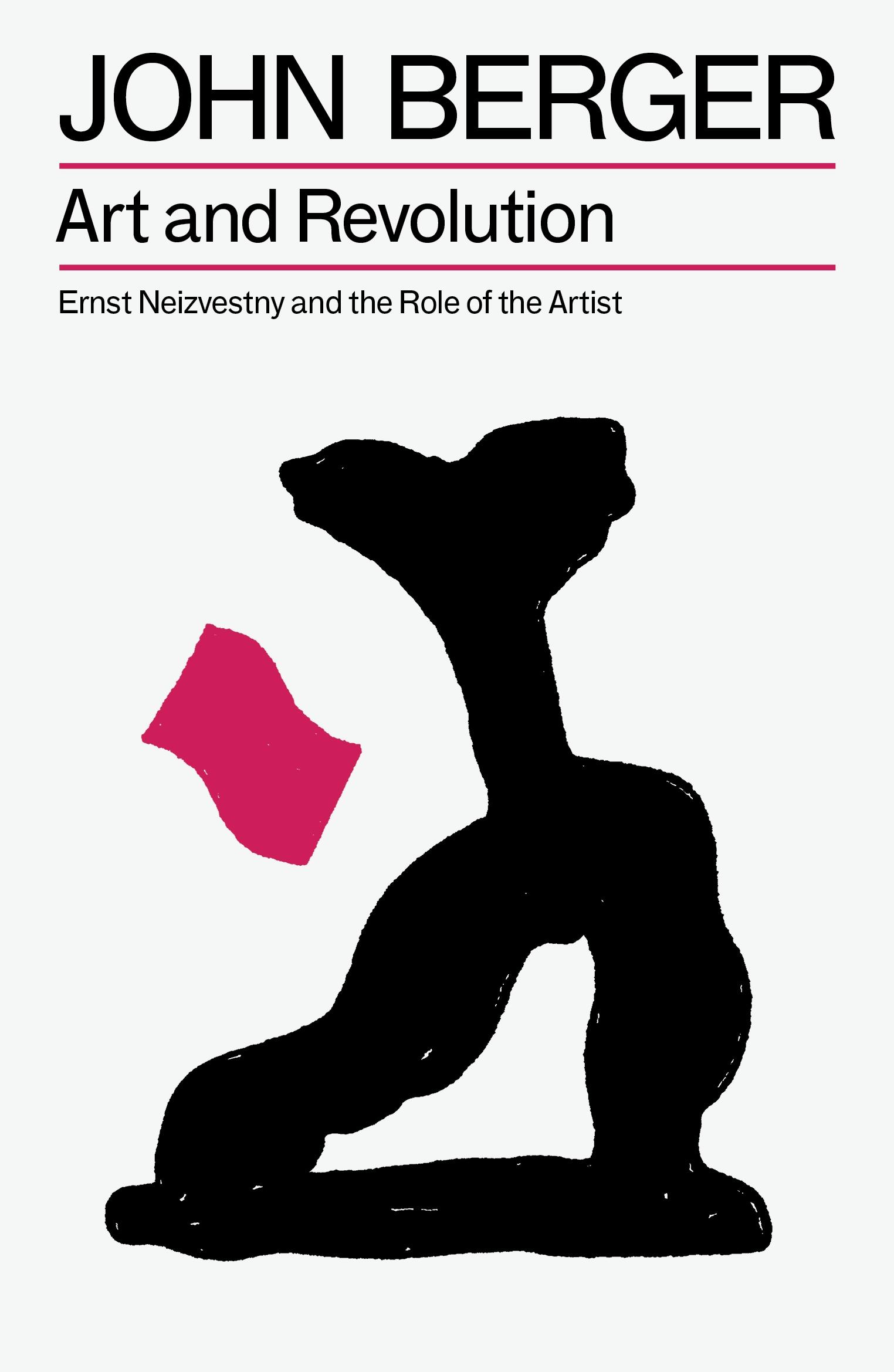
John Berger explores the life and work of Ernst Neizvestny, who, after clashing with Khrushchev, was excluded from the ranks of officially approved Soviet artists. Abandoned to obscurity, Neizvestny laboured to realize a monumental and very public vision of art. Exiled to the United States, he finally found recognition, returning to his homeland with the fall of the Berlin Wall.
Berger's account illuminates the very meaning of revolutionary art. In his struggle against official orthodoxy - which brought him into face-to-face conflict with Khrushchev himself - Neizvestny was fight-ing not for a merely personal or aesthetic vision, but for recognition of the social role of art. His sculptures earn a place in the world by reflecting the courage of a whole people, commemorating, in an age of mass suffering, the resistance and endurance of millions.
Berger's account illuminates the very meaning of revolutionary art. In his struggle against official orthodoxy - which brought him into face-to-face conflict with Khrushchev himself - Neizvestny was fight-ing not for a merely personal or aesthetic vision, but for recognition of the social role of art. His sculptures earn a place in the world by reflecting the courage of a whole people, commemorating, in an age of mass suffering, the resistance and endurance of millions.
Płać wygodnie kartą, Klarną, Apple Pay lub Google Pay. Nie jesteś zadowolony? Zawsze masz 14-dniową gwarancję zwrotu pieniędzy. Więcej przeczytasz w naszych warunkach. Masz pytania? Napisz do nas na hello@memmo.org.
Memmo ułatwia naukę – gdziekolwiek jesteś na świecie. U nas znajdziesz podręczniki i sprytne narzędzia do nauki w jednym miejscu: streszczenia, quizy, podcasty i fiszki. A do tego Ted, Twój kumpel do nauki, który odpowie na wszystko, co Cię nurtuje. Ponad 50 000 studentów już tu się uczy – stworzone, byś uczył się szybciej i mniej stresował.
Może Ci się spodobać
Kup książkę0