
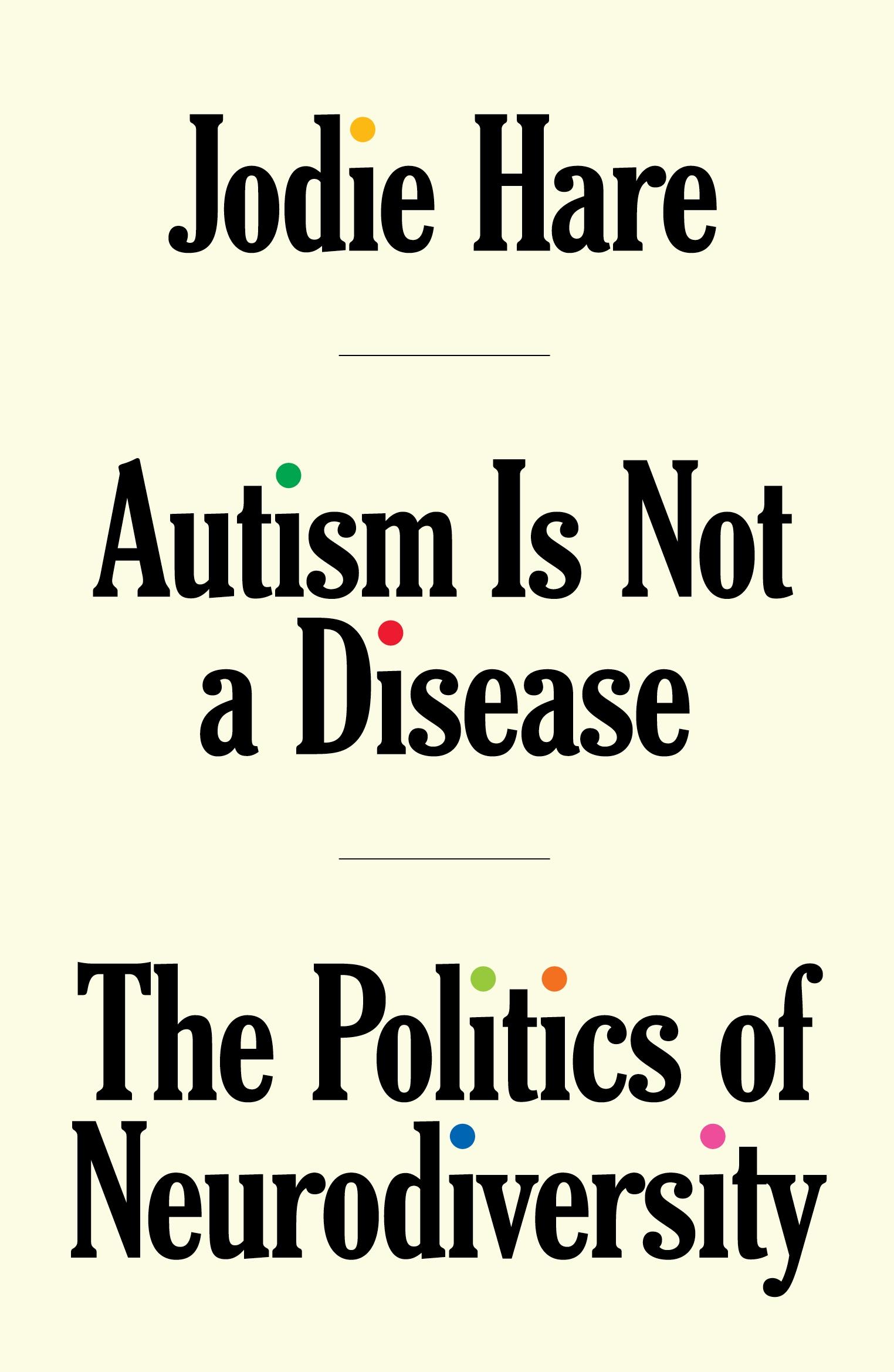
Neurodiversity is one of the most urgent political issues of our time. As the number of diagnoses of autism, ADHD, and other types of neurodivergence rises, we are starting to understand that there is no such thing as a 'normal' brain. But society is still organised around neuronormativity, and autism is treated as a disease.
Jodie Hare, diagnosed with autism at twenty-three, argues it is time to redefine the politics of who we are. She calls for the recognition of diversity as part of natural variation, rather than a departure from sameness. This will have an impact on the places where we learn, work, and socialise - and Hare shows how these can be adapted to be more inclusive and accessible. She shows how we might commit to building a world where we can all thrive, one that works to combat discrimination based on race, class, gender, and disability.
Jodie Hare, diagnosed with autism at twenty-three, argues it is time to redefine the politics of who we are. She calls for the recognition of diversity as part of natural variation, rather than a departure from sameness. This will have an impact on the places where we learn, work, and socialise - and Hare shows how these can be adapted to be more inclusive and accessible. She shows how we might commit to building a world where we can all thrive, one that works to combat discrimination based on race, class, gender, and disability.
Płać wygodnie kartą, Klarną, Apple Pay lub Google Pay. Nie jesteś zadowolony? Zawsze masz 14-dniową gwarancję zwrotu pieniędzy. Więcej przeczytasz w naszych warunkach. Masz pytania? Napisz do nas na hello@memmo.org.
Memmo ułatwia naukę – gdziekolwiek jesteś na świecie. U nas znajdziesz podręczniki i sprytne narzędzia do nauki w jednym miejscu: streszczenia, quizy, podcasty i fiszki. A do tego Ted, Twój kumpel do nauki, który odpowie na wszystko, co Cię nurtuje. Ponad 50 000 studentów już tu się uczy – stworzone, byś uczył się szybciej i mniej stresował.
Może Ci się spodobać
Kup książkę0