
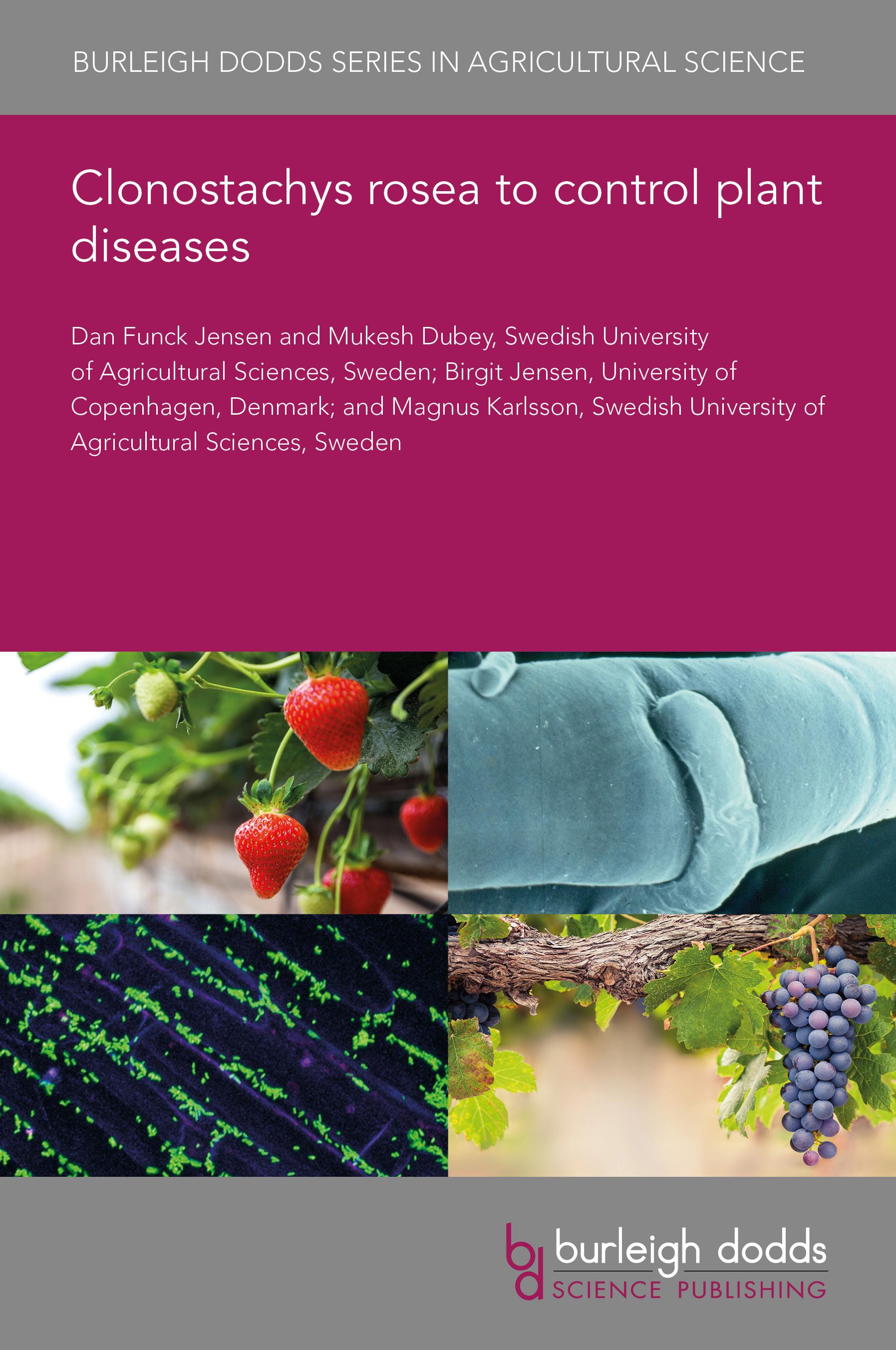
The fungus Clonostachys rosea was recognized as an aggressive parasite on other fungi already in the late 1950s. Research into its potential use in biological control of plant diseases soon followed. Today, there are several commercial products based on C. rosea available for biocontrol applications worldwide. Although its mycoparasitic ability has attracted a lot of interest, C. rosea is now viewed as an ecological generalist whose lifestyle also includes plant endophytism, rhizosphere competence and polyphagous ability. Protocols for producing high amounts of C. rosea spores are available for both solid state and liquid fermentation. Low temperature and low moisture content are key factors that influence the shelf life of C. rosea propagules. Products based on C. rosea can be delivered to flowers using bumble bees, applied by spraying or as seed dressing or by incorporation into the soil. Clonostachys rosea is today an established factor in sustainable plant protection strategies.
Płać wygodnie kartą, Klarną, Apple Pay lub Google Pay. Nie jesteś zadowolony? Zawsze masz 14-dniową gwarancję zwrotu pieniędzy. Więcej przeczytasz w naszych warunkach. Masz pytania? Napisz do nas na hello@memmo.org.
Memmo ułatwia naukę – gdziekolwiek jesteś na świecie. U nas znajdziesz podręczniki i sprytne narzędzia do nauki w jednym miejscu: streszczenia, quizy, podcasty i fiszki. A do tego Ted, Twój kumpel do nauki, który odpowie na wszystko, co Cię nurtuje. Ponad 50 000 studentów już tu się uczy – stworzone, byś uczył się szybciej i mniej stresował.
Może Ci się spodobać
Kup książkę0