
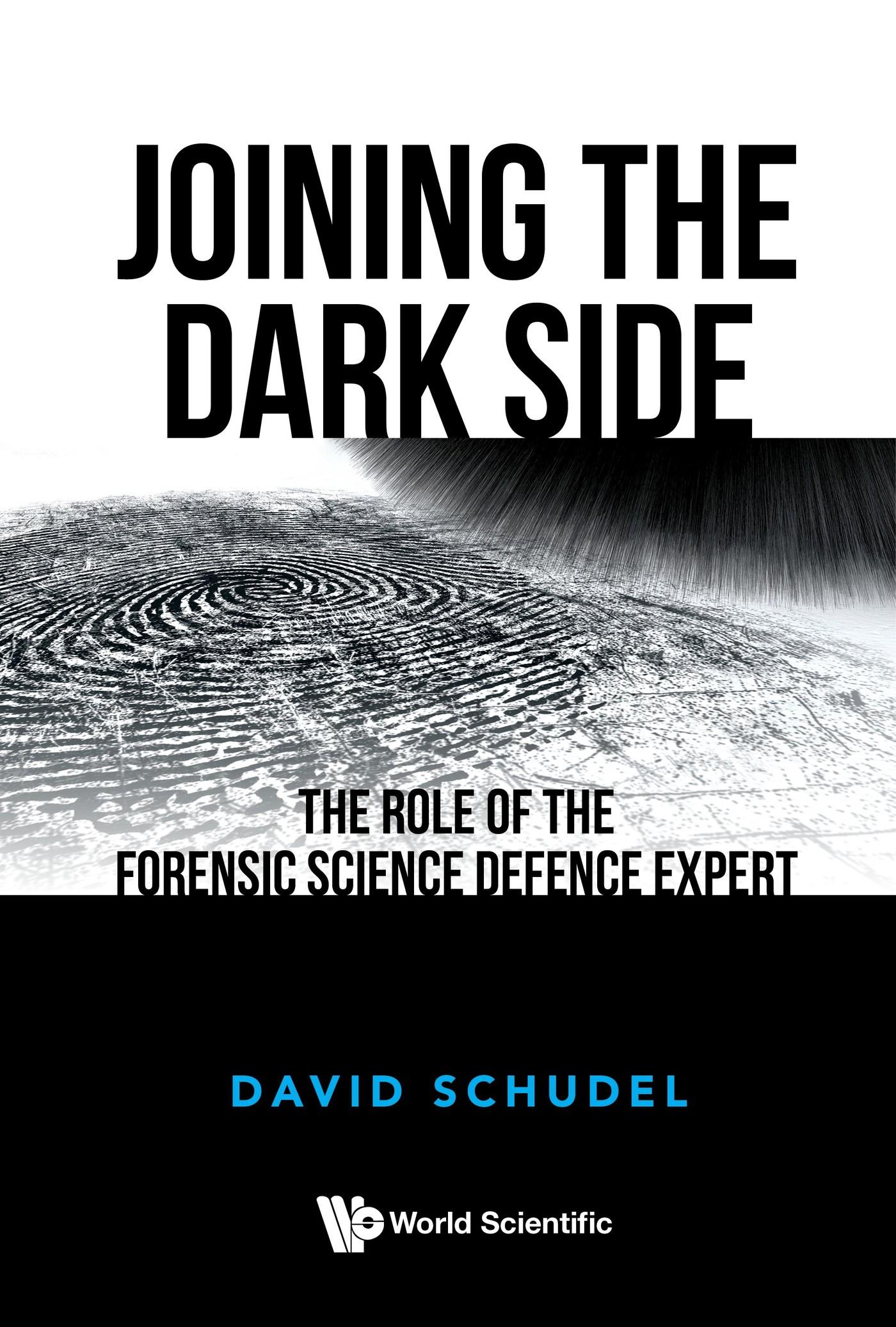
The role of a forensic science defence expert is often referred to by those working for the police/state/government forensic labs as being on the 'dark side.'
In Joining the Dark Side, author David Schudel outlines the evolution of a fascinating career that starts out in the dark side and looks at what problems can appear in forensic cases. The book delves into the problems inherent to forensic science, in particular cognitive bias and scientific philosophy. It also looks at the emotional impact and specific challenges behind forensic science and provides the reader with some sage advice on giving evidence in Court.
Contents:
- Preface
- About the Author
- Acknowledgements
- Jumping in the Dark End
- Cognitive Bias, Context and Forensics
- Types of Cognitive Bias
- Non-Cognitive Bias (AKA: Bias)
- IIDs and Offices Don't Mix
- Civil Litigation and Other Animals
- The 1990s Crime Lab
- The First Body
- The First 100 Bodies
- Bunny Suit and/or Die
- SurvIVAN
- Disclosure and the Expert
- Expert Evidence and Court
- The Future: It's Not What It Used to Be
- Index
Readership: Those interested in science as well as forensic science; those in the criminal justice system; lawyers in civil or criminal work; members of the police.
Key Features:
- There are relatively few books or papers addressing the flaws and issues that crop up routinely with forensic evidence in the criminal justice system
Płać wygodnie kartą, Klarną, Apple Pay lub Google Pay. Nie jesteś zadowolony? Zawsze masz 14-dniową gwarancję zwrotu pieniędzy. Więcej przeczytasz w naszych warunkach. Masz pytania? Napisz do nas na hello@memmo.org.
Memmo ułatwia naukę – gdziekolwiek jesteś na świecie. U nas znajdziesz podręczniki i sprytne narzędzia do nauki w jednym miejscu: streszczenia, quizy, podcasty i fiszki. A do tego Ted, Twój kumpel do nauki, który odpowie na wszystko, co Cię nurtuje. Ponad 50 000 studentów już tu się uczy – stworzone, byś uczył się szybciej i mniej stresował.