
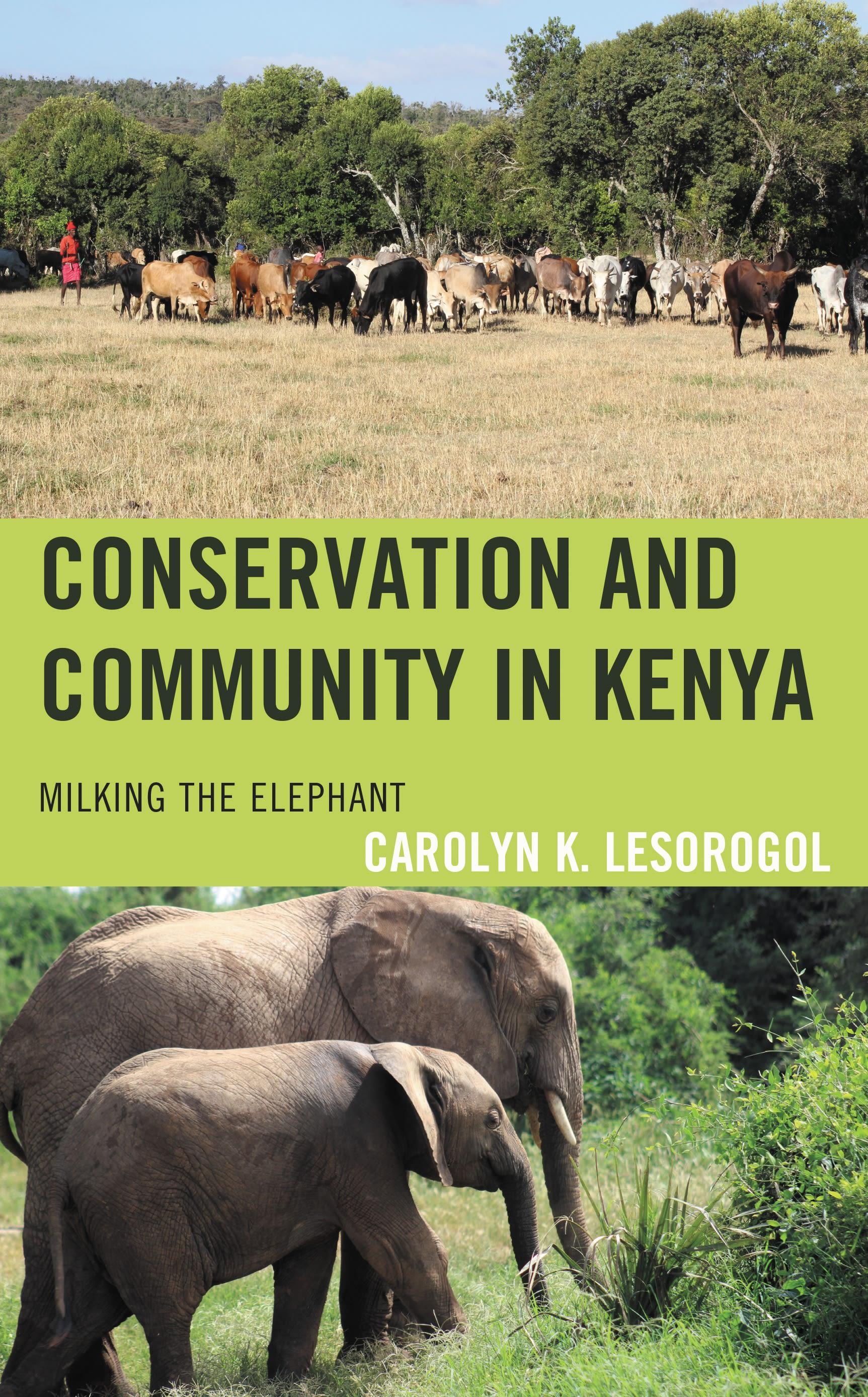
Community-based wildlife conservation is promoted as a win-win solution for wildlife and people that protects biodiversity while improving the economic status of communities living among wildlife. This book, based on mixed-method anthropological research conducted in Samburu County, Kenya, demonstrates that, counter to simple narratives promising benefits, community-based wildlife conservancies (CBCs) are complex social institutions layered on pre-existing land use practices with differential impacts for members. Through in-depth research in three communities, Carolyn K. Lesorogol explains how diverse social actors understand and operate CBCs, how benefits and costs are distributed, the gendered nature of CBCs, and how they impact cooperation and conflict in communities. Lesorogol’s analysis shows that economic benefits to members are generally very limited, and while many perceive improvements in security emanating from CBCs, there is also evidence that they heighten tensions over land use as well as human-wildlife conflict. Looking toward the future, the book includes recommendations for improving the effectiveness and accountability of CBCs. Conservation and Community in Kenya: Milking the Elephant offers critical insights into the implications of the CBC model for local pastoralist livelihoods, conservation, and social relations.
Strony: 262
Kategoria: Samhällsvetenskap
e-ISBN: 9781793650306
Waga przesyłki: 1.2 kg
Wysyłka w ciągu: 1-2 dni
Płać wygodnie kartą, Klarną, Apple Pay lub Google Pay. Nie jesteś zadowolony? Zawsze masz 14-dniową gwarancję zwrotu pieniędzy. Więcej przeczytasz w naszych warunkach. Masz pytania? Napisz do nas na hello@memmo.org.
Memmo ułatwia naukę – gdziekolwiek jesteś na świecie. U nas znajdziesz podręczniki i sprytne narzędzia do nauki w jednym miejscu: streszczenia, quizy, podcasty i fiszki. A do tego Ted, Twój kumpel do nauki, który odpowie na wszystko, co Cię nurtuje. Ponad 50 000 studentów już tu się uczy – stworzone, byś uczył się szybciej i mniej stresował.