
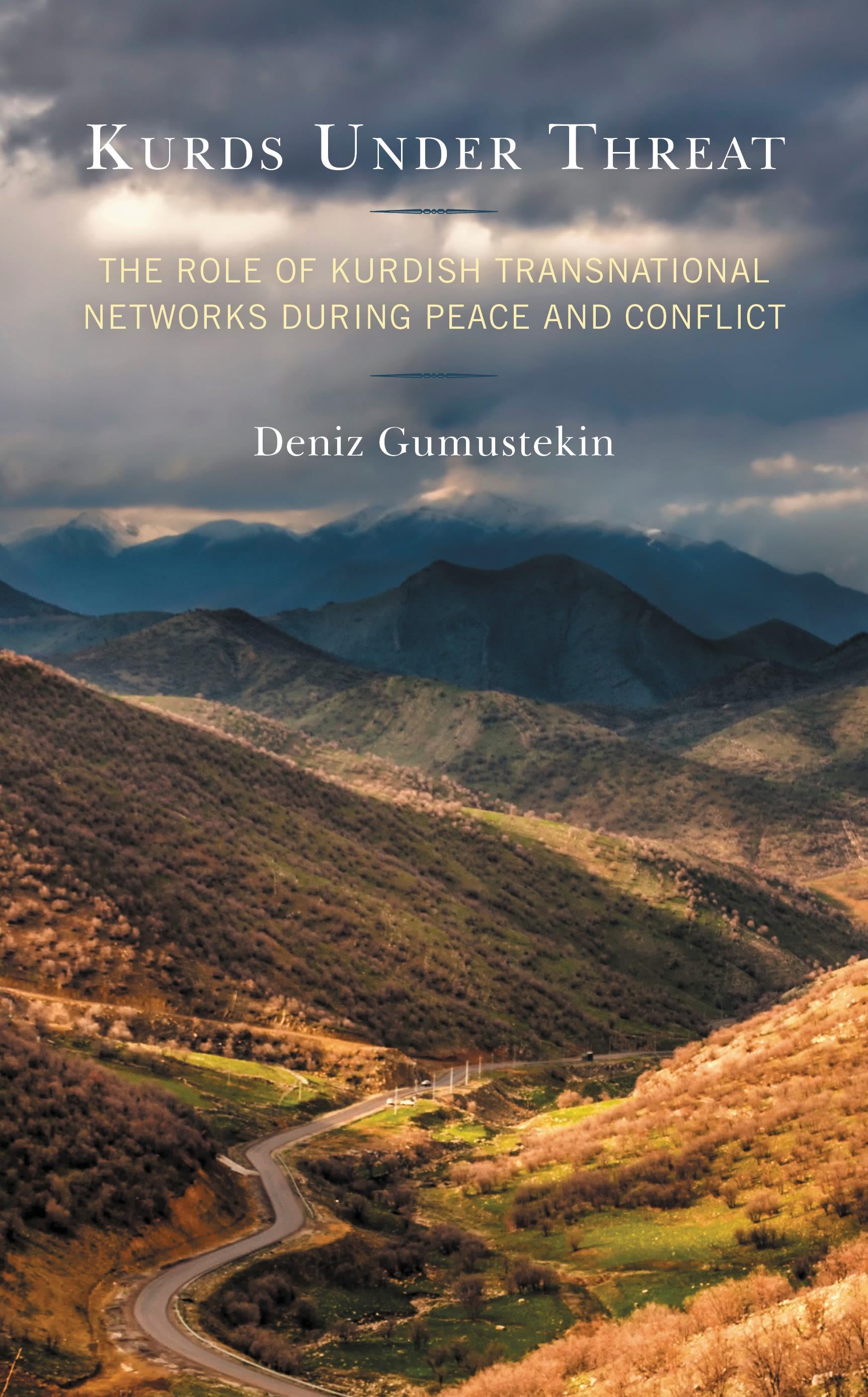
Previous researches examine how transnational ethnic ties impact the relationship between host states and diaspora and why states and ethnic minorities in the diaspora may occasionally support violent rebel organizations in the homeland. However, these previous studies do not really consider the relationships among co-ethnic organizations without a homeland government. This book tackles the following important questions: How and when do co-ethnic Kurdish organizations provide open support for each other during conflict-peace cycle events? Moreover, do external threats impact the relationship among co-ethnic organizations? The aim of this research is to identify the causal factors that influence the transnational networks between Kurdish organizations. Research findings reveal that political rationality and external threats seem to be stronger predictors of political behavior than ethnic ties in the Kurdish case. This study helps scholars and policy makers to evaluate the impact of transnational networks between co-ethnic Kurdish organizations in cases of civil war, which may play a crucial role in the escalation and de-escalation of international conflicts. In addition, this research helps to understand the role of co-ethnic organizations in building sustainable peace in areas of conflict.
Płać wygodnie kartą, Klarną, Apple Pay lub Google Pay. Nie jesteś zadowolony? Zawsze masz 14-dniową gwarancję zwrotu pieniędzy. Więcej przeczytasz w naszych warunkach. Masz pytania? Napisz do nas na hello@memmo.org.
Memmo ułatwia naukę – gdziekolwiek jesteś na świecie. U nas znajdziesz podręczniki i sprytne narzędzia do nauki w jednym miejscu: streszczenia, quizy, podcasty i fiszki. A do tego Ted, Twój kumpel do nauki, który odpowie na wszystko, co Cię nurtuje. Ponad 50 000 studentów już tu się uczy – stworzone, byś uczył się szybciej i mniej stresował.