
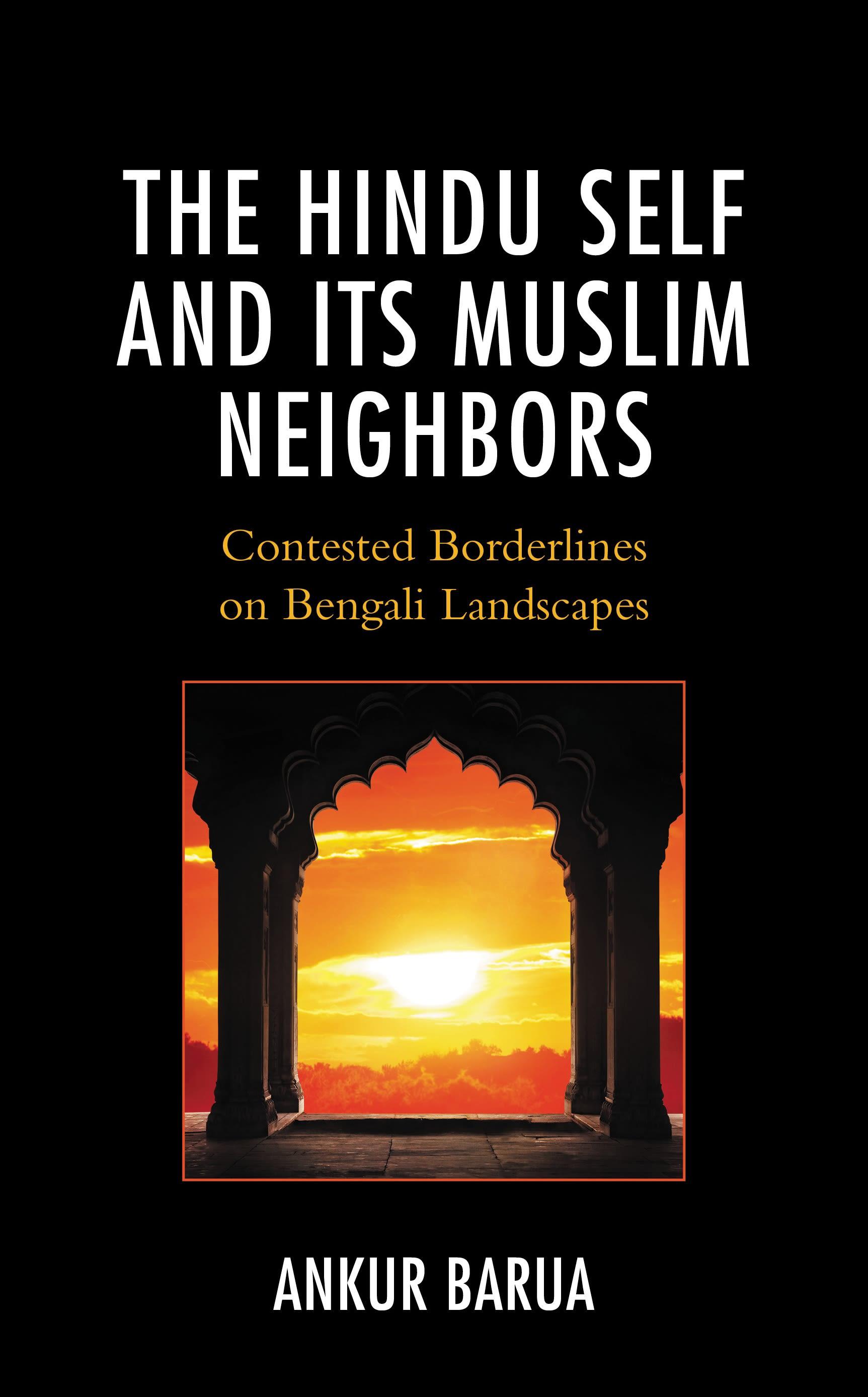
In The Hindu Self and its Muslim Neighbors, the author sketches the contours of relations between Hindus and Muslims in Bengal. The central argument is that various patterns of amicability and antipathy have been generated towards Muslims over the last six hundred years and these patterns emerge at dynamic intersections between Hindu self-understandings and social shifts on contested landscapes. The core of the book is a set of translations of the Bengali writings of Rabindranath Tagore (1861–1941), Kazi Nazrul Islam (1899–1976), and Annada Shankar Ray (1904–2002). Their lives were deeply interwoven with some Hindu–Muslim synthetic ideas and subjectivities, and these involvements are articulated throughout their writings which provide multiple vignettes of contemporary modes of amity and antagonism. Barua argues that the characterization of relations between Hindus and Muslims either in terms of an implacable hostility or of an unfragmented peace is historically inaccurate, for these relations were modulated by a shifting array of socio-economic and socio-political parameters. It is within these contexts that Rabindranath, Nazrul, and Annada Shankar are developing their thoughts on Hindus and Muslims through the prisms of religious humanism and universalism.
Strony: 234
Kategoria: Religion & Teologi
e-ISBN: 9781793642592
Waga przesyłki: 1.2 kg
Wysyłka w ciągu: 1-2 dni
Płać wygodnie kartą, Klarną, Apple Pay lub Google Pay. Nie jesteś zadowolony? Zawsze masz 14-dniową gwarancję zwrotu pieniędzy. Więcej przeczytasz w naszych warunkach. Masz pytania? Napisz do nas na hello@memmo.org.
Memmo ułatwia naukę – gdziekolwiek jesteś na świecie. U nas znajdziesz podręczniki i sprytne narzędzia do nauki w jednym miejscu: streszczenia, quizy, podcasty i fiszki. A do tego Ted, Twój kumpel do nauki, który odpowie na wszystko, co Cię nurtuje. Ponad 50 000 studentów już tu się uczy – stworzone, byś uczył się szybciej i mniej stresował.