
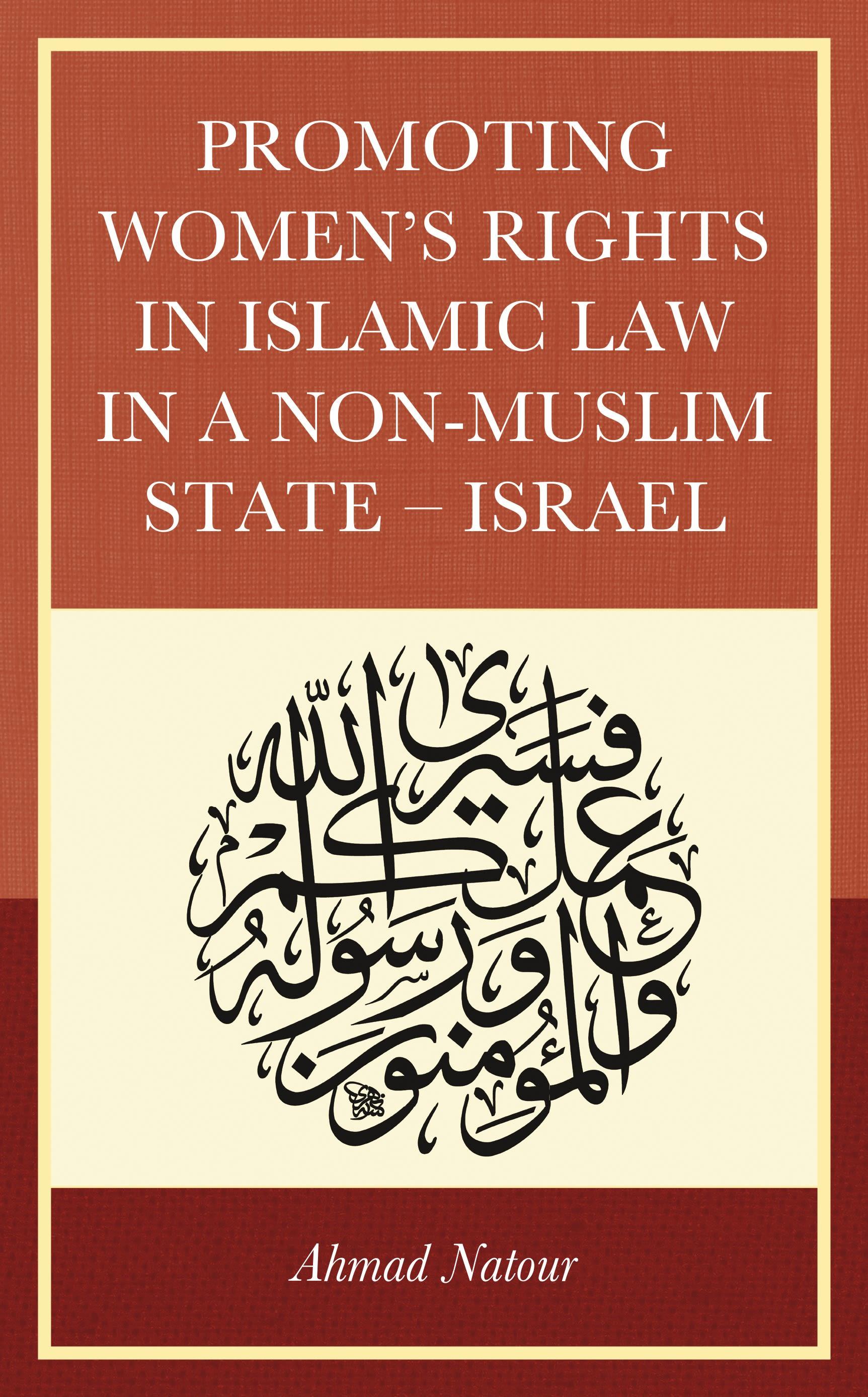
The dissolution of the Ottoman Empire, through the British mandate and the establishment of the state of Israel, created a reality in which no Muslim legislator existed in the country. Thus, the chief judge—Qadi al Qudat, due to the dire need for reforms in the Sharia' family law and in order to minimize the intervention of the non-Muslim—Israeli legislator in the divine family law, took it upon himself to initiate the reforms. As such, this experience is considered the world-wide pioneerand unique in its scope. The reforms were done in accordance with the Islamic rules of renewal and are derived from the Islamic jurisprudence—sharia' itself. This process was done in two tracks: first, decisions of the High Court of Appeals would be followed by the lower courts as binding precedents. Second, the president of the High Sharia' court issued judicial decrees guidelines to the lower courts, driven by the Maslaha - the public interest - in various matters of Islamic law such as promoting women status, children's rights and the preservation of Islamic sites and cemeteries sanctity.
Płać wygodnie kartą, Klarną, Apple Pay lub Google Pay. Nie jesteś zadowolony? Zawsze masz 14-dniową gwarancję zwrotu pieniędzy. Więcej przeczytasz w naszych warunkach. Masz pytania? Napisz do nas na hello@memmo.org.
Memmo ułatwia naukę – gdziekolwiek jesteś na świecie. U nas znajdziesz podręczniki i sprytne narzędzia do nauki w jednym miejscu: streszczenia, quizy, podcasty i fiszki. A do tego Ted, Twój kumpel do nauki, który odpowie na wszystko, co Cię nurtuje. Ponad 50 000 studentów już tu się uczy – stworzone, byś uczył się szybciej i mniej stresował.