
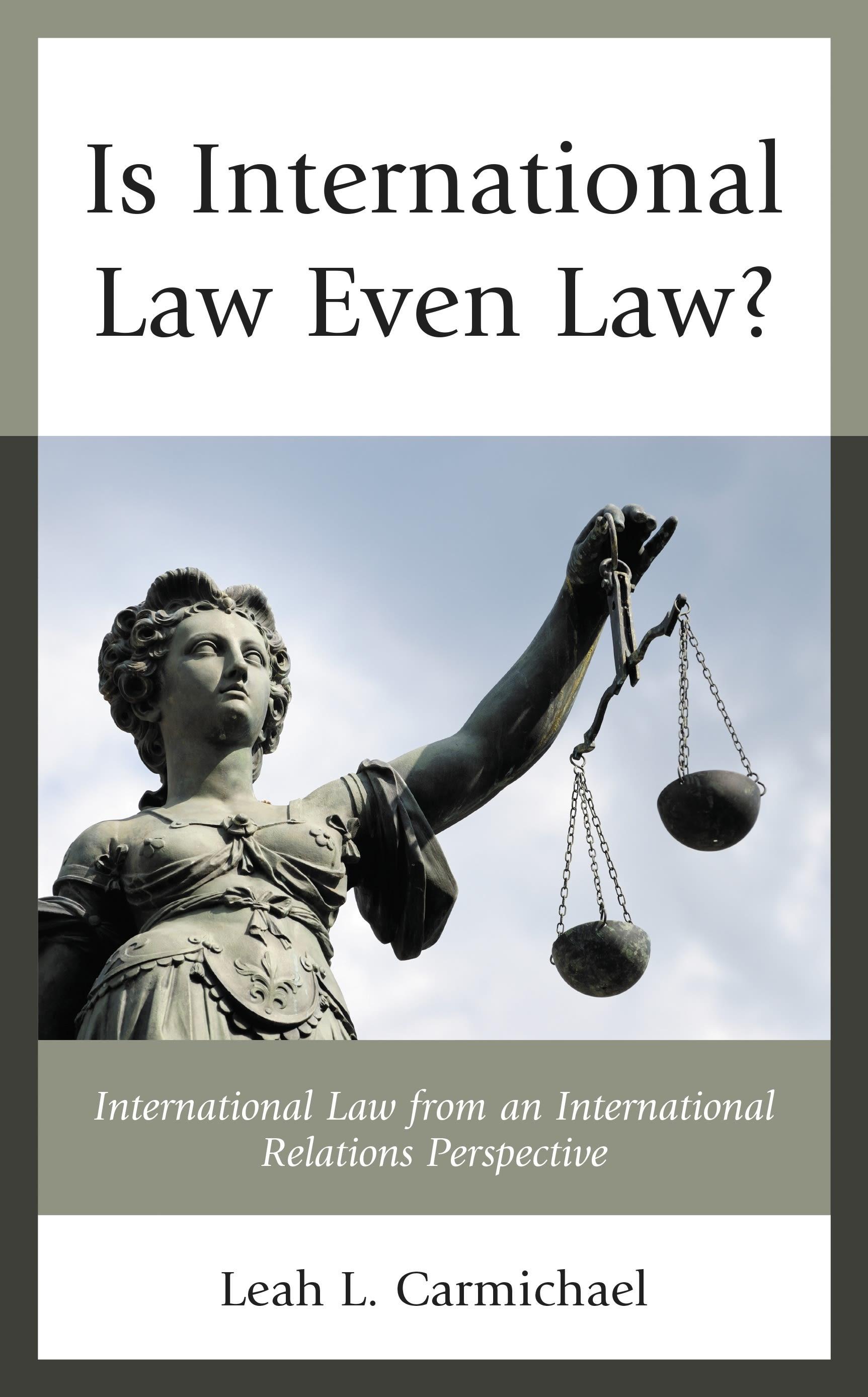
International law is so fundamentally distinct from domestic law that some even question whether it is the law at all. Unlike domestic law, in which the state can create, enforce, and interpret the laws, there is no higher authority above states in international law. As a result, states serve as both creators, enforcers, and adjudicators of international law and are subject to it. Most confoundingly, even though there is no higher authority than states in the international system, states tend to comply with international law most of the time. Further, when they do violation international law, they go to great lengths to defend their actions as within compliance with the law. To understand when and why states treat international “law” as the law in our international system, one must understand both the components of a sound legal argument and the political motivations shaping how laws are created, when they are followed, and when they are ignored.
Płać wygodnie kartą, Klarną, Apple Pay lub Google Pay. Nie jesteś zadowolony? Zawsze masz 14-dniową gwarancję zwrotu pieniędzy. Więcej przeczytasz w naszych warunkach. Masz pytania? Napisz do nas na hello@memmo.org.
Memmo ułatwia naukę – gdziekolwiek jesteś na świecie. U nas znajdziesz podręczniki i sprytne narzędzia do nauki w jednym miejscu: streszczenia, quizy, podcasty i fiszki. A do tego Ted, Twój kumpel do nauki, który odpowie na wszystko, co Cię nurtuje. Ponad 50 000 studentów już tu się uczy – stworzone, byś uczył się szybciej i mniej stresował.