
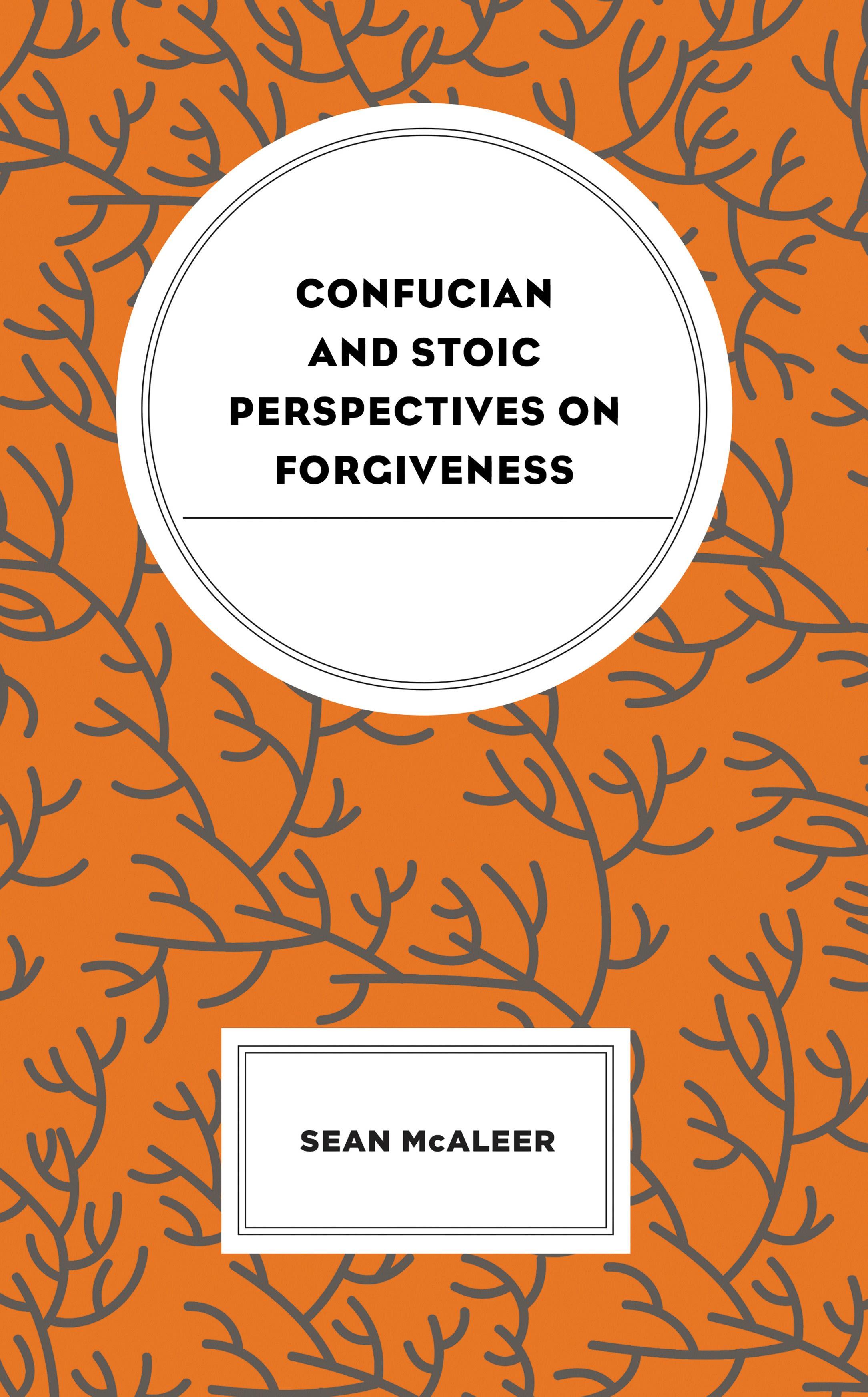
Confucian and Stoic Perspectives on Forgiveness explores the absence of forgiveness in classical Confucianism and Roman Stoicism as well as the alternatives to forgiveness that these rich philosophical traditions offer. After discussing forgiveness as it is understood in contemporary philosophy, Sean McAleer explores Confucius’ vocabulary for and attitude toward anger and resentment, arguing that Confucius does not object to anger but to its excesses. While Confucius does not make room for forgiveness, McAleer argues that Mencius cannot do so, given the distinctive twist he gives to self-examination in response to mistreatment. Xunzi, by contrast, leaves open a door to forgiveness that Mencius bolted shut. The book then proceeds to the Roman Stoics—Musonius Rufus, Epictetus, Marcus Aurelius, and Seneca—arguing that their distinctive conceptions of value and wellbeing rule out forgiveness, though like the Confucians the Stoics offer alternatives to forgiveness well worth considering. The book ends by comparing the two traditions, arguing that while Stoicism helps us navigate many of the turbulent waters of everyday life, Confucianism enjoys advantages when we interact with those to whom we are bound by ties of affection and intimacy.
Płać wygodnie kartą, Klarną, Apple Pay lub Google Pay. Nie jesteś zadowolony? Zawsze masz 14-dniową gwarancję zwrotu pieniędzy. Więcej przeczytasz w naszych warunkach. Masz pytania? Napisz do nas na hello@memmo.org.
Memmo ułatwia naukę – gdziekolwiek jesteś na świecie. U nas znajdziesz podręczniki i sprytne narzędzia do nauki w jednym miejscu: streszczenia, quizy, podcasty i fiszki. A do tego Ted, Twój kumpel do nauki, który odpowie na wszystko, co Cię nurtuje. Ponad 50 000 studentów już tu się uczy – stworzone, byś uczył się szybciej i mniej stresował.