
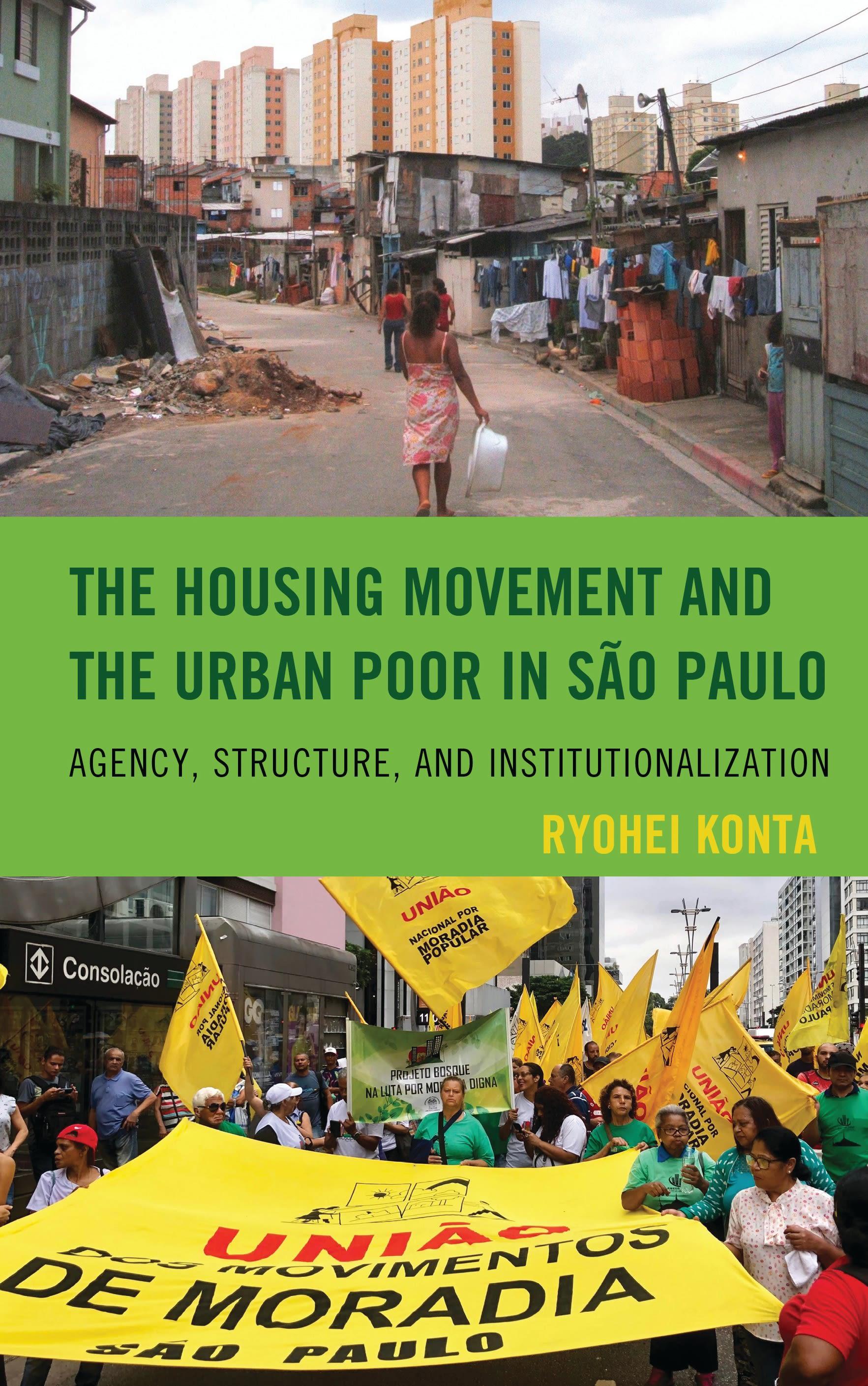
This book explores the ways in which the urban poor population of Brazil participates in social movements. This study focuses on their agency, analyzing the interactive relationship between the urban poor in collective actions and the structural change represented by the participatory administration, which primarily saw implementation and institutionalization in Brazil at the beginning of the 21st century. Ryohei Konta argues that, as the structure of the participatory administration is more actively implemented and institutionalized, social movements will benefit from increased political opportunities. This result encourages the urban poor to participate in social movements as a means to realize their interests. Participation in social movements also stimulates their action with intention and capability (agency), which collectively interacts with the structure of increased opportunities (participatory administration), leading to self-fulfillment and more frequent participation in social movements. Scholars of sociology, Latin American studies, economics, social movements, and urban development will find this book particularly useful.
Płać wygodnie kartą, Klarną, Apple Pay lub Google Pay. Nie jesteś zadowolony? Zawsze masz 14-dniową gwarancję zwrotu pieniędzy. Więcej przeczytasz w naszych warunkach. Masz pytania? Napisz do nas na hello@memmo.org.
Memmo ułatwia naukę – gdziekolwiek jesteś na świecie. U nas znajdziesz podręczniki i sprytne narzędzia do nauki w jednym miejscu: streszczenia, quizy, podcasty i fiszki. A do tego Ted, Twój kumpel do nauki, który odpowie na wszystko, co Cię nurtuje. Ponad 50 000 studentów już tu się uczy – stworzone, byś uczył się szybciej i mniej stresował.