
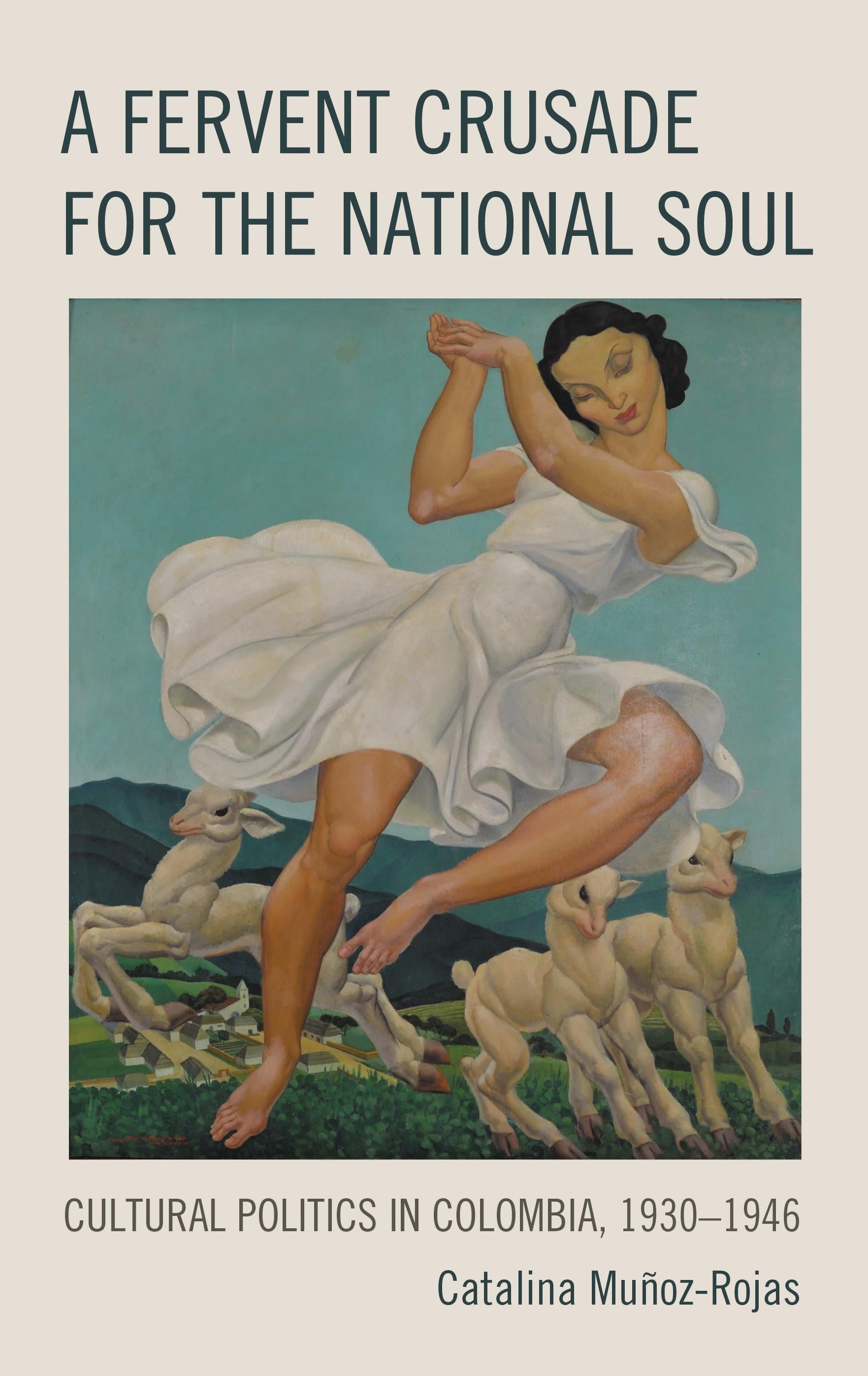
A Fervent Crusade for the National Soul examines the implementation of cultural policies in relation to the contested configuration of citizenship in Colombia between 1930 and 1946. At a time when national identities were re-imagined all over the Americas, progressive artists and intellectuals affiliated with the liberal governments that ruled Colombia established an unprecedented bureaucratic apparatus for cultural intervention that celebrated so-called “popular culture” and rendered culture a social right. This book challenges pervasive narratives of state failure in Colombia, attending to the confrontations, negotiations, and entanglements of bureaucrats with everyday citizens that shaped the relationship between the ruler and the ruled. Catalina Muñoz argues that while culture became an instrument of inclusion, the liberal definition of popular culture as authentic and static was also a tool for domination that reinforced enduring structures of inequality founded on region, race, and gender. Liberals crafted the state as the paternalistic protector of acquiescent citizens, instead of a warden of political participation. Muñoz suggests that this form of governance allowed the elites to rule without making the structural changes required to craft a more equal society.
Płać wygodnie kartą, Klarną, Apple Pay lub Google Pay. Nie jesteś zadowolony? Zawsze masz 14-dniową gwarancję zwrotu pieniędzy. Więcej przeczytasz w naszych warunkach. Masz pytania? Napisz do nas na hello@memmo.org.
Memmo ułatwia naukę – gdziekolwiek jesteś na świecie. U nas znajdziesz podręczniki i sprytne narzędzia do nauki w jednym miejscu: streszczenia, quizy, podcasty i fiszki. A do tego Ted, Twój kumpel do nauki, który odpowie na wszystko, co Cię nurtuje. Ponad 50 000 studentów już tu się uczy – stworzone, byś uczył się szybciej i mniej stresował.