
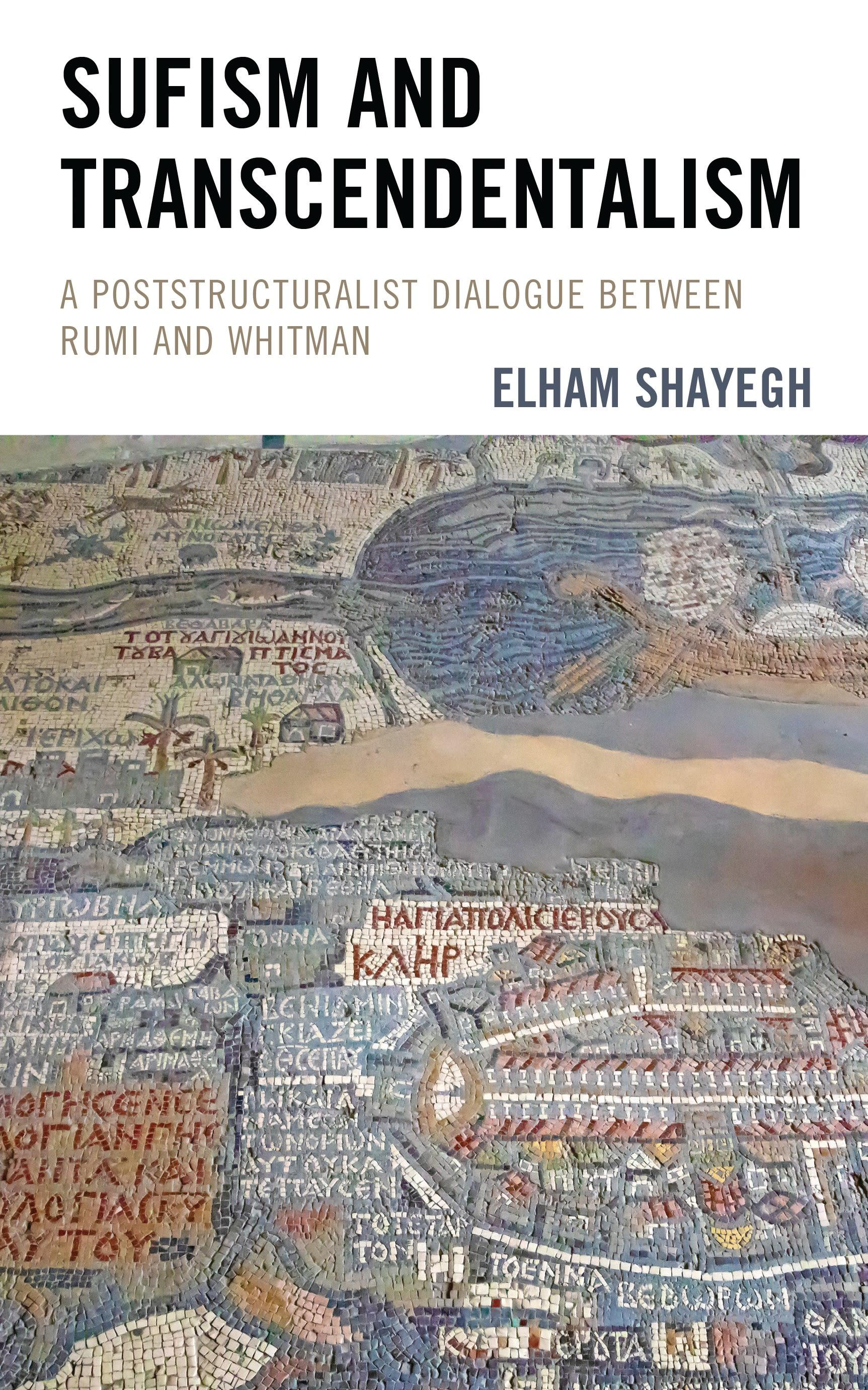
The rhetoric of cultural identity generally goes in two potential directions: One a universal line that insists on an overall pattern of integration and harmony among all peoples regardless of their differences, and the other a line which suggests that various cultures are so specific and different that they will eventually enter into clash, violence and war. Drawing upon Derrida's concept of differance, I will point out that such rhetoric as examples of current political discourses fail to open the concept of cultural identity through redefining its relationship with otherness. This will be accompanied by poetry of Rumi and Whitman to suggest that their literary language through its non-dialectic characteristics is familiar with the problematic of identity and has the ability to form a cross-cultural dialogue. Sufism And Transcendentalism envisages the possibility of dialogue against the background of political conflict.
Płać wygodnie kartą, Klarną, Apple Pay lub Google Pay. Nie jesteś zadowolony? Zawsze masz 14-dniową gwarancję zwrotu pieniędzy. Więcej przeczytasz w naszych warunkach. Masz pytania? Napisz do nas na hello@memmo.org.
Memmo ułatwia naukę – gdziekolwiek jesteś na świecie. U nas znajdziesz podręczniki i sprytne narzędzia do nauki w jednym miejscu: streszczenia, quizy, podcasty i fiszki. A do tego Ted, Twój kumpel do nauki, który odpowie na wszystko, co Cię nurtuje. Ponad 50 000 studentów już tu się uczy – stworzone, byś uczył się szybciej i mniej stresował.