
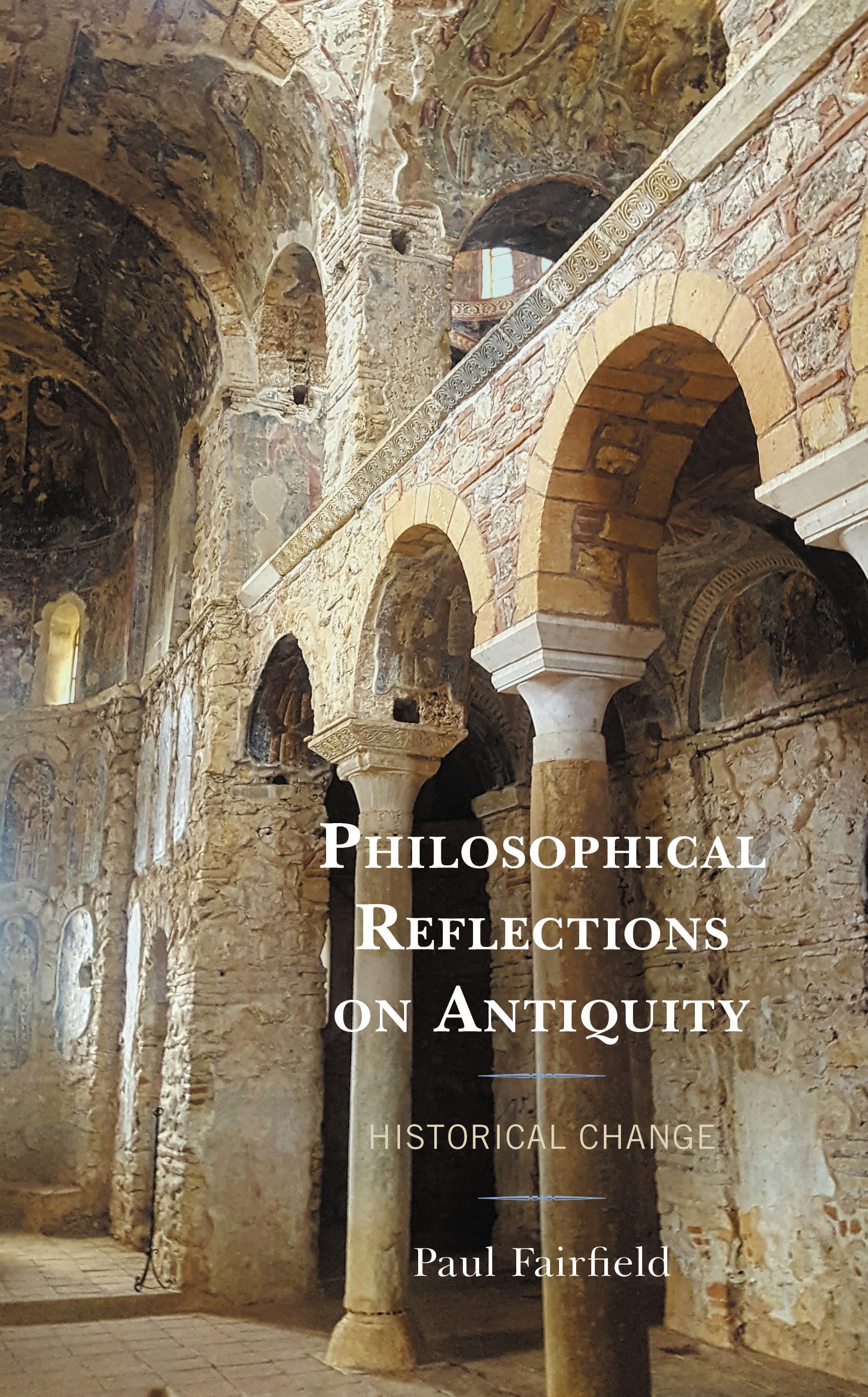
Philosophical Reflections on Antiquity: Historical Change addresses the question of whether there is a logic of historical change, and whether the collapse of teleology should deter us from inquiring anew whether any recurring patterns and themes show themselves amid the complexity of historical life. Paul Fairfield argues that if any conception of universal history remains possible, it is one that rejects teleology and causal laws while identifying thematic tendencies that afford some semblance of unity, including the enduring phenomena that are interlocution, the struggle for predominance, and the endless back and forth that play out between them. This book examines the transitional periods of archaic Greece and late antiquity, the ostensible birth and death of the ancient west. Fairfield argues that an interpretation of the social, political, and intellectual history of these important turning points brings to light some philosophical understanding of the dynamics of change itself, observing that the transition from archaic to classical Greece was no miracle, while the end of the Roman era can no longer be conceived as a story of decline and fall. Rather, Fairfield posits, these were not complete breaks, but relative beginnings and endings in narratives that are ongoing. Scholars of philosophy, history, and anthropology will find this book particularly useful.
Płać wygodnie kartą, Klarną, Apple Pay lub Google Pay. Nie jesteś zadowolony? Zawsze masz 14-dniową gwarancję zwrotu pieniędzy. Więcej przeczytasz w naszych warunkach. Masz pytania? Napisz do nas na hello@memmo.org.
Memmo ułatwia naukę – gdziekolwiek jesteś na świecie. U nas znajdziesz podręczniki i sprytne narzędzia do nauki w jednym miejscu: streszczenia, quizy, podcasty i fiszki. A do tego Ted, Twój kumpel do nauki, który odpowie na wszystko, co Cię nurtuje. Ponad 50 000 studentów już tu się uczy – stworzone, byś uczył się szybciej i mniej stresował.