
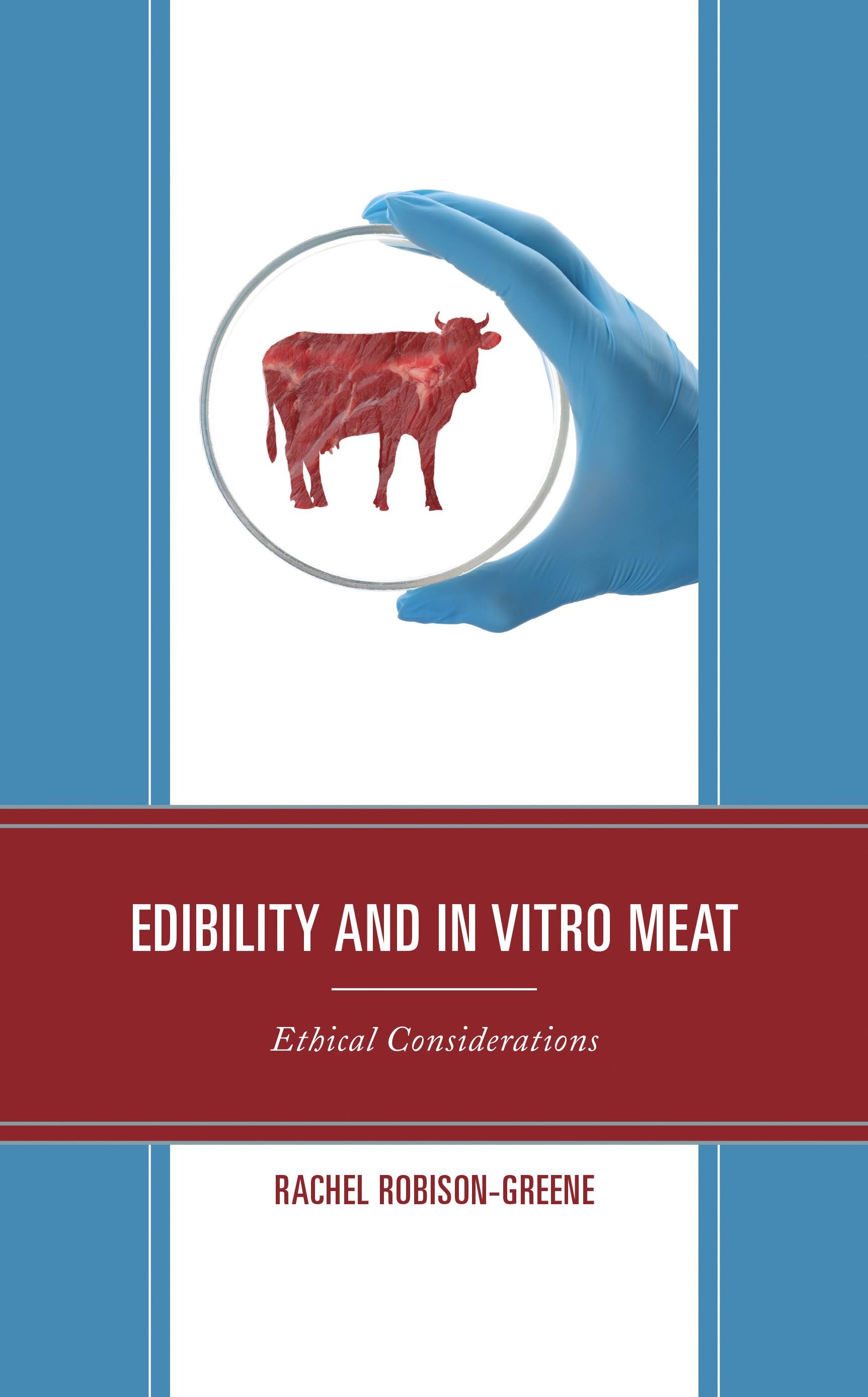
Consumers and policy makers have unprecedented choices to make in the years to come about how and what we eat. If we continue down our current path of food production, we risk ever-increasing levels of animal exploitation, environmental destruction, biodiversity loss, and challenges to human health. In vitro meat production, or the process of growing meat in a lab, has the potential to reduce the severity of these problems. This proposal would change our food systems dramatically. Edibility and In Vitro Meat: Ethical Considerations explores the ethical questions that it’s important to ask every stage of this process. Rachel Robison-Greene considers arguments for and against the production of in vitro meat, as well as challenges for implementation. She argues that in vitro meat should be implemented and that we should re-think how we use the term “edible.”
Płać wygodnie kartą, Klarną, Apple Pay lub Google Pay. Nie jesteś zadowolony? Zawsze masz 14-dniową gwarancję zwrotu pieniędzy. Więcej przeczytasz w naszych warunkach. Masz pytania? Napisz do nas na hello@memmo.org.
Memmo ułatwia naukę – gdziekolwiek jesteś na świecie. U nas znajdziesz podręczniki i sprytne narzędzia do nauki w jednym miejscu: streszczenia, quizy, podcasty i fiszki. A do tego Ted, Twój kumpel do nauki, który odpowie na wszystko, co Cię nurtuje. Ponad 50 000 studentów już tu się uczy – stworzone, byś uczył się szybciej i mniej stresował.