
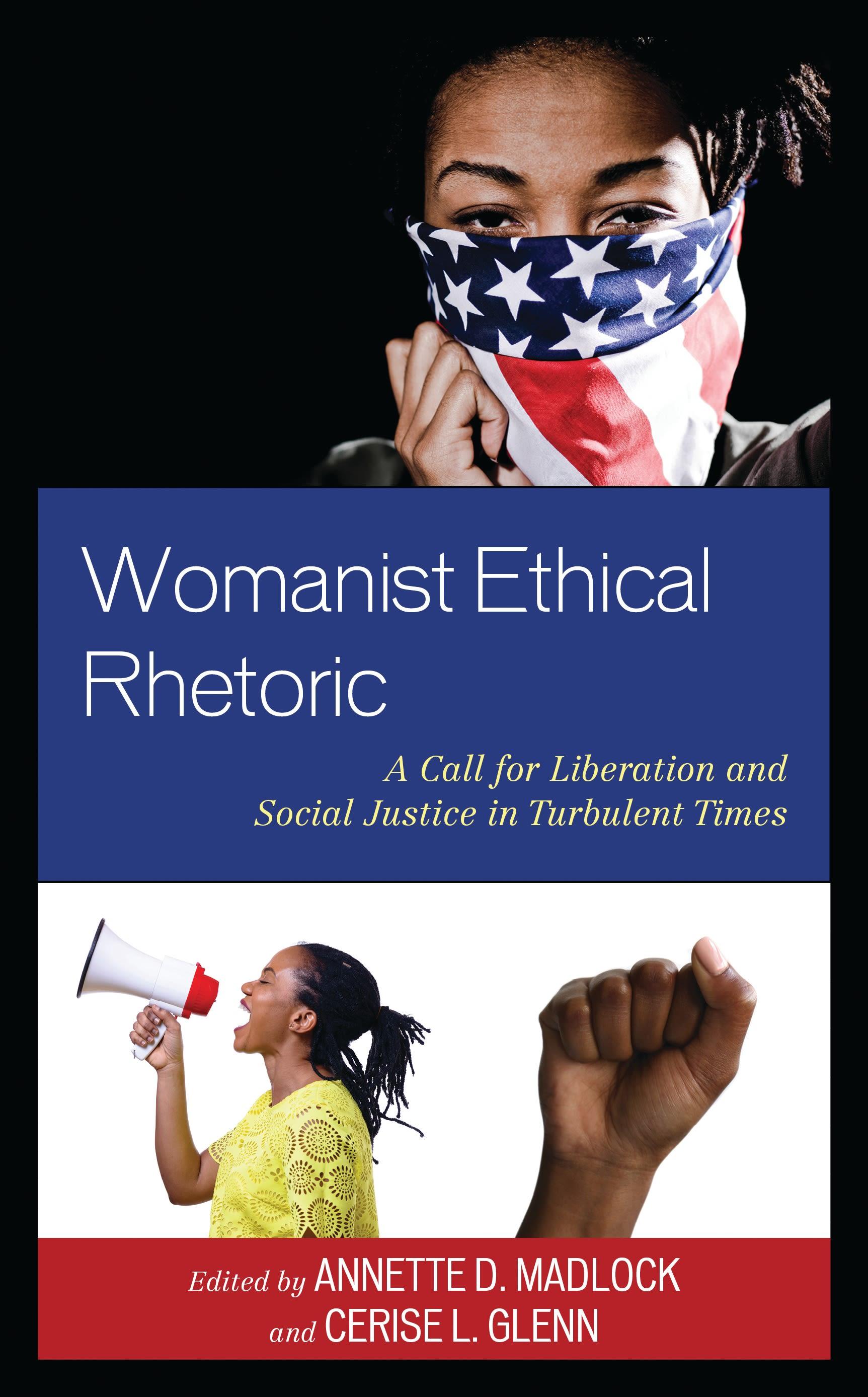
Womanist thought remains of critical importance given contemporary issues of social justice and advocacy. Womanist Ethical Rhetoric centers discourses of religious rhetoric and its influence on Black women’s aims for voice, empowerment, and social justice in these turbulent times. The chapters utilize womanism, in conjunction with other frames, to examine how Black women incorporate different aspects of their identities into struggles for empowerment and celebrations of who they are in holistic ways that center love and community. This approach embraces both the commonalities and differences between womanists through theoretical and applied contexts. It advances the work of womanist predecessors and pays homage to them, most notably Rev. Dr. Katie Cannon’s work on womanism and religion. Topics analyzed include Black women’s spiritual and professional identities in religious organizations, the role of Black churches in Black Lives Matter, and the inclusion of all Black women in racial academic achievement gaps. Chapters also examine Black women’s leadership and activism, including church leaders and representations in popular culture, and women’s inclusion in the beloved community. This collection centralizes the plurality of Black women’s lives, which is key to advancing their voices.
Płać wygodnie kartą, Klarną, Apple Pay lub Google Pay. Nie jesteś zadowolony? Zawsze masz 14-dniową gwarancję zwrotu pieniędzy. Więcej przeczytasz w naszych warunkach. Masz pytania? Napisz do nas na hello@memmo.org.
Memmo ułatwia naukę – gdziekolwiek jesteś na świecie. U nas znajdziesz podręczniki i sprytne narzędzia do nauki w jednym miejscu: streszczenia, quizy, podcasty i fiszki. A do tego Ted, Twój kumpel do nauki, który odpowie na wszystko, co Cię nurtuje. Ponad 50 000 studentów już tu się uczy – stworzone, byś uczył się szybciej i mniej stresował.