
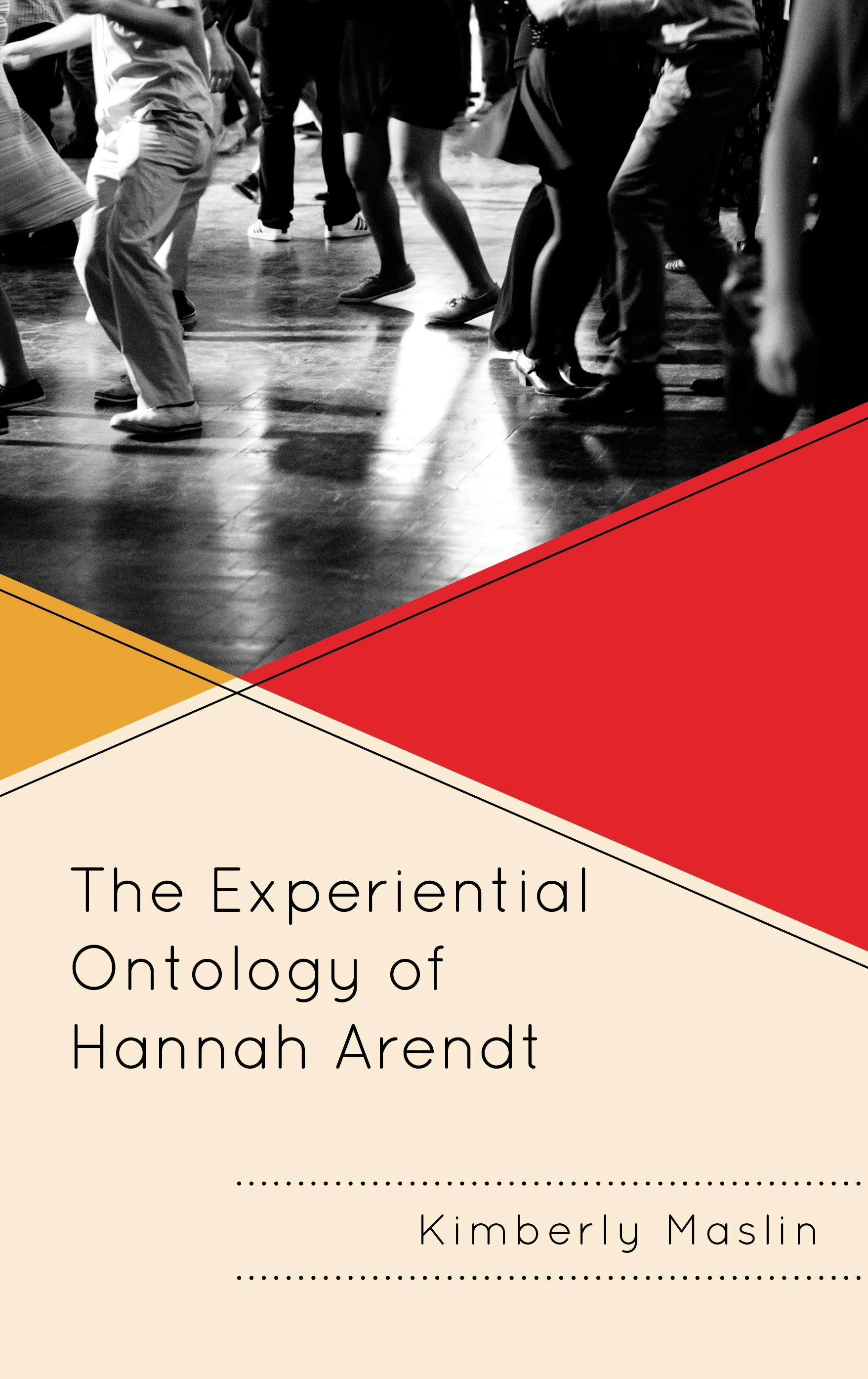
In The Experiential Ontology of Hannah Arendt, Kim Maslin examines Hannah Arendt’s political philosophy through a Heideggerian framework. Maslin argues that not only did Arendt grew beyond the role of naïve and beguiled student, but she became one of Heidegger’s most astute critics. Well acquainted with and deeply respectful of his contributions to existential philosophy, Arendt viewed Heidegger’s work as both profoundly insightful and extraordinarily myopic. Not contented to simply offer a critique of her mentor’s work, Arendt engaged in a lifelong struggle to come to terms with the collective implications of fundamental ontology. Maslin argues that Arendt shifted to political philosophy less to escape her own disappointment at Heidegger’s personal betrayal, but rather as an attempt to right the collective flaws of fundamental ontology. Her project offers a politically responsive, hence responsible, modification of Heidegger’s fundamental ontology. She suggests that Heidegger’s allegedly descriptive and non-normative insight into the nature of being is necessarily incomplete, and potentially irresponsible, unless it is undertaken in a manner which is mindful of the collective implications. As such, Maslin shows how Arendt attempts to construct an experiential ontology that transforms Heidegger’s fundamental ontology for use in the public sphere.
Płać wygodnie kartą, Klarną, Apple Pay lub Google Pay. Nie jesteś zadowolony? Zawsze masz 14-dniową gwarancję zwrotu pieniędzy. Więcej przeczytasz w naszych warunkach. Masz pytania? Napisz do nas na hello@memmo.org.
Memmo ułatwia naukę – gdziekolwiek jesteś na świecie. U nas znajdziesz podręczniki i sprytne narzędzia do nauki w jednym miejscu: streszczenia, quizy, podcasty i fiszki. A do tego Ted, Twój kumpel do nauki, który odpowie na wszystko, co Cię nurtuje. Ponad 50 000 studentów już tu się uczy – stworzone, byś uczył się szybciej i mniej stresował.