
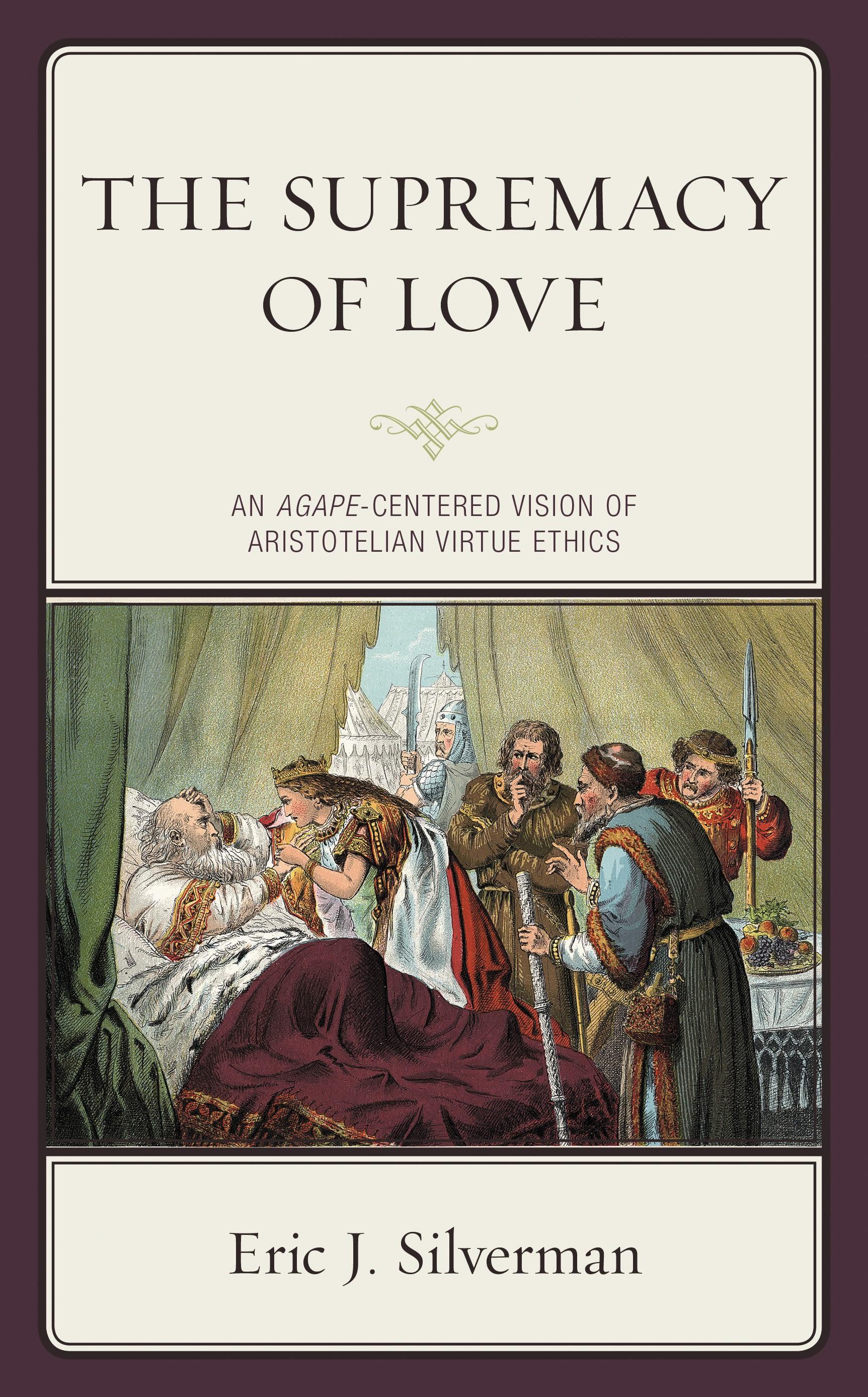
Thirty-five years ago Alasdair MacIntyre’s After Virtue established virtue ethics as a major challenger to competing visions of morality, but there is still considerable disagreement concerning which version of virtue ethics provides the best approach. The Supremacy of Love describes and advocates an agape-centered vision of Aristotelian virtue ethics that portrays love as the most important moral virtue, and the goals of love as a partial constituent of every genuine virtue. This structural improvement to Aristotelian virtue ethics—found originally in the ethics of Thomas Aquinas—enables this account to address several controversial topics in contemporary virtue ethics, including why the virtues cannot be used badly, in what sense is there a unity between the virtues, how the virtues benefit the virtuous person, and how virtues provide action guidance. Eric J. Silverman demonstrates how and why a distinctly love-centered approach to virtue ethics should make the view widely attractive in comparison to alternative accounts of virtue ethics, duty based deontological theories, as well as results-based consequentialist views.
Płać wygodnie kartą, Klarną, Apple Pay lub Google Pay. Nie jesteś zadowolony? Zawsze masz 14-dniową gwarancję zwrotu pieniędzy. Więcej przeczytasz w naszych warunkach. Masz pytania? Napisz do nas na hello@memmo.org.
Memmo ułatwia naukę – gdziekolwiek jesteś na świecie. U nas znajdziesz podręczniki i sprytne narzędzia do nauki w jednym miejscu: streszczenia, quizy, podcasty i fiszki. A do tego Ted, Twój kumpel do nauki, który odpowie na wszystko, co Cię nurtuje. Ponad 50 000 studentów już tu się uczy – stworzone, byś uczył się szybciej i mniej stresował.